U.S. Will Fight from Guam and for Guam, U.S. Indo-Pacific Commander Says
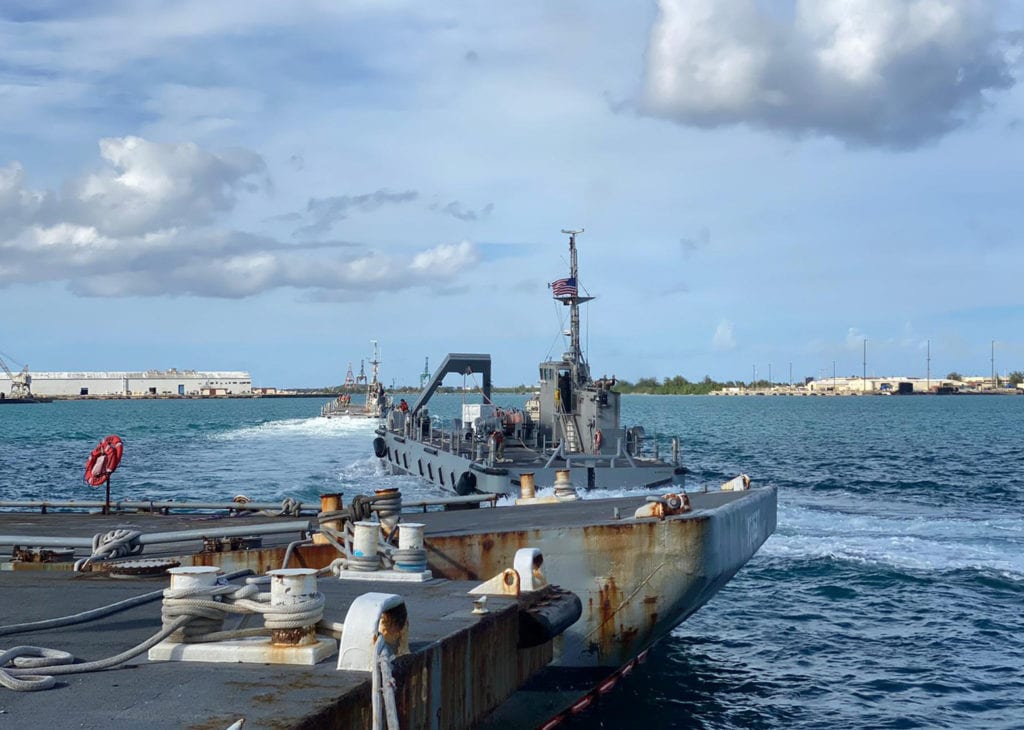
Sailors deployed from Naval Beach Group 1 navigate Improved Navy Lighterage Systems in Apra Harbor, Guam. U.S. Navy / Chief Boatswain’s Mate Daniel Nguyen

ARLINGTON, Va. — The Navy admiral in charge U.S. Indo-Pacific Command said building up the defenses of Guam is his highest budget priority and reminded observers Guam is not just a base for military operations but a part of the American homeland, and should be defended as such. 

Guam, a large island southernmost of the Marianas island chain, is a U.S. territory and has been a U.S. base since before World War II — except for the Japanese occupation during 1941-1944.  

“Guam is absolutely critical in maintaining deterrence and stability in the region,” said Adm. Philip Davidson, commander, U.S. Indo-Pacific Command, speaking March 4 during a webinar of the American Enterprise Institute, a Washington think tank. “It is our most critical operating location west of the International Dateline. Funding for the air and missile defense of Guam is my Number 1 priority — most importantly because Guam is U.S. homeland.  

“There are 170,000 Americans living in Guam, and their defense is homeland defense,” Davidson said. “Defense Department personnel comprise some 13% of the total population on Guam, a total of nearly 22,000 service members, civilians, contractors and family members that are supporting America’s of Guam. That doesn’t even include rotational forces [that deploy to Guam].” 

Davidson said Guam is a “critical nexus for command and control, for logistics and sustainment, and for power. It has strategic deep-water ports and airfields. We have billions of dollars in military capability in Guam today and there are billions of dollars programmed by the United States to advance those capabilities tomorrow.”

He pointed to an example, Marine Corps Base Camp Blaine, established in November 2020 and built to garrison 5,000 Marines as the first new Marine Corps base established in the Pacific since 1952. 

The admiral wants to establish Aegis Ashore missile-defense facilities in Guam to augment the Terminal High-Altitude Area Defense radar system already in Guam and provide 360-degree missile defense of the island and “the full spectrum of detect-to-engage sequence, the sensing, the network and the delivery of fires to support our maneuver.” 

He pointed out that an Aegis Ashore facility would accomplish what otherwise would require three Arleigh Burke-class guided-missile destroyers to defend Guam, ships that could be freed to employ their multi-mission capabilities elsewhere. 

Davidson responded to critics who say that bolstering missile defenses of Guam would make the island a target, noting that “it already is one. China is making no secret of this fact, as evidenced in last fall’s widely circulated PLA Air Force propaganda video which specifically depicted an attack on a mock-up of Andersen Air Force Base in Guam. 

“In all, the Guam defense system will allow us to regain the advantage, help us to deter China, and will demonstrate our steadfast commitment to our allies and partners in the region that we are here to stay and to defend what is ours,” he said. “… It is not a de facto status that we only need to be able to fight from [Guam] — we’re going to have to be able to fight for it, and missile defense in the region is critical.” 


SECDEF Announces Marine General Promotions

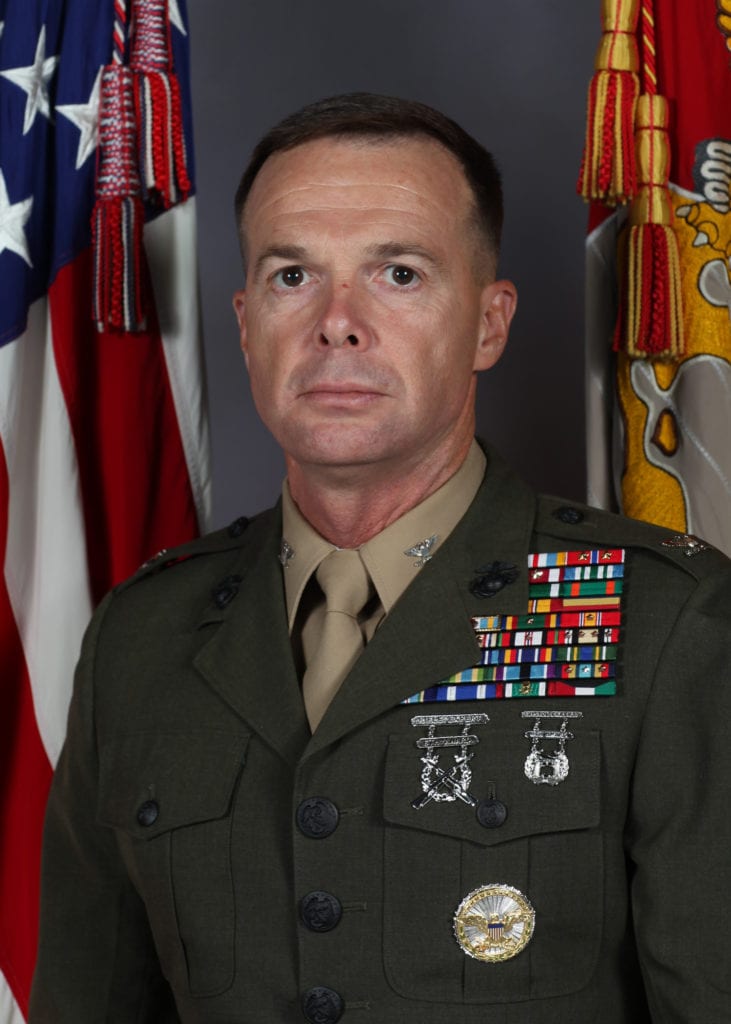
Brig. Gen. Jay M. Bargeron, nominated for appointment to the rank of major general, one of several flag officer nominations announced March 4. U.S. Marine Corps

ARLINGTON, Va. — Secretary of Defense Lloyd J. Austin III announced on March 4 that the president has made the following nominations: 

Marine Corps Brig. Gen. Jay M. Bargeron has been nominated for appointment to the rank of major general.  Bargeron is currently serving as president, Marine Corps University, Training and Education Command, Quantico, Virginia. 

Marine Corps Brig. Gen. Brian W. Cavanaugh has been nominated for appointment to the rank of major general.  Cavanaugh is currently serving as assistant deputy commandant, programs and resources, Headquarters, U.S. Marine Corps, Washington, D.C. 

Marine Corps Brig. Gen. Dimitri Henry has been nominated for appointment to the rank of major general.  Henry is currently serving as director, J-2, U.S. Central Command, MacDill Air Force Base, Florida. 

Marine Corps Brig. Gen. Ryan P. Heritage has been nominated for appointment to the rank of major general.  Heritage is currently serving as commanding general, Marine Corps Recruit Depot San Diego; and commnding general, Western Recruiting Region, San Diego, California. 

Marine Corps Brig. Gen. Christopher A. McPhillips has been nominated for appointment to the rank of major general.  McPhillips is currently serving as commanding general, 1st Marine Aircraft Wing, Okinawa, Japan. 

Marine Corps Brig. Gen. Robert B. Sofge Jr. has been nominated for appointment to the rank of major general.  Sofge is currently serving as deputy commander, U.S. Marine Corps Forces Pacific, Camp Smith, Hawaii. 

Marine Corps Brig. Gen. Matthew G. Trollinger has been nominated for appointment to the rank of major general.  Trollinger is currently serving as deputy director, Politico-Military Affairs (Middle East), J-5, Joint Staff, Washington, D.C. 

Marine Corps Col. Joseph R. Clearfield has been nominated for appointment to the rank of brigadier general.  Clearfield is currently serving as assistant chief of staff, G-3, U.S. Marine Corps Forces Cyberspace Command, Fort George G. Meade, Maryland. 

Marine Corps Col. Mark H. Clingan has been nominated for appointment to the rank of brigadier general.  Clingan is currently serving as chief of staff, III Marine Expeditionary Force, Okinawa, Japan. 

Marine Corps Col. Simon M. Doran has been nominated for appointment to the rank of brigadier general.  Doran is currently serving as special assignment officer, Royal Air Force, British Armed Forces, London, United Kingdom. 

Marine Corps Col. Walker M. Field has been nominated for appointment to the rank of brigadier general.  Field is currently serving as military fellow, Council on Foreign Relations, New York, New York. 

Marine Corps Col. Anthony M. Henderson has been nominated for appointment to the rank of brigadier general.  Henderson is currently serving as director, concepts and plans, Marine Corps Warfighting Laboratory, Marine Corps Base Quantico, Virginia. 

Marine Corps Col. Michael E. McWilliams has been nominated for appointment to the rank of brigadier general.  McWilliams is currently serving as executive assistant for deputy commandant, installations and logistics, Headquarters, U.S. Marine Corps, Washington, D.C. 

Marine Corps Col. Matthew T. Mowery has been nominated for appointment to the rank of brigadier general.  Mowery is currently serving as operations and readiness branch head, Aviation Plans, Programs, Joint/Congressional Matters, Doctrine and Budget Branch, Aviation Branch, Headquarters, U.S. Marine Corps, Washington, D.C.

Marine Corps Col. Andrew M. Niebel has been nominated for appointment to the rank of brigadier general.  Niebel is currently serving as chief of staff, Marine Corps Installations Command, Headquarters, U.S. Marine Corps, Washington, D.C. 

Marine Corps Col. Ahmed T. Williamson has been nominated for appointment to the rank of brigadier general.  Williamson is currently serving as military assistant, Office of the Assistant Commandant of the Marine Corps, Headquarters, U.S. Marine Corps, Washington, D.C. 

Marine Corps Reserve 

Marine Corps Reserve Brig. Gen. Mark A. Hashimoto has been nominated for appointment to the rank of major general.  Hashimoto is currently serving as commanding general, Force Headquarters Group, U.S. Marine Forces Reserve, New Orleans, Louisiana. 

Marine Corps Reserve Col. Sean N. Day has been nominated for appointment to the rank of brigadier general.  Day is currently serving as deputy commander, Force Headquarters Group, U.S. Marine Corps Forces Reserve, New Orleans, Louisiana. 


Coast Guard Set to Retire Last High-Endurance Cutter, Commandant Says

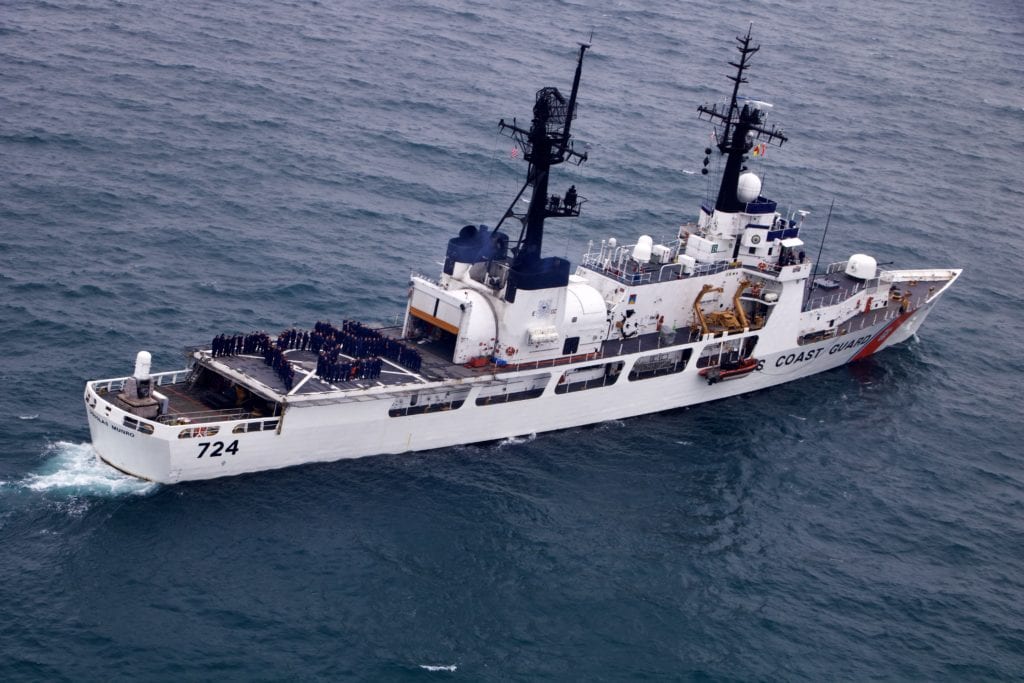
Members from Coast Guard Cutter Douglas Munro stand in formation on the back of the cutter, July 24, 2020. The cutter’s hull day, July 24, correlates with its hull number, 724. U.S. Coast Guard

WASHINGTON —The Coast Guard will retire USCGC Douglas Munro at the end of March, concluding 49 years of Coast Guard service for the cutter and 54 years for the Secretary-class 378-Foot cutters. 

In a March 4 message to the Coast Guard, Commandant Adm. Karl L. Schultz said that on March 31 the Douglas Munro would be placed in In-Commission Special Status, which begins the decommissioning process.  

The 12 Secretary-class cutters were the mainstay of the Coast Guard’s ocean-going fleet until their replacement began 13 years ago by the new Legend-class national security cutters. Some deployed with carrier strike groups and operated in the Persian Gulf. They had an anti-submarine warfare (ASW) capability until 1992, when it was removed. The same year some were armed with Harpoon anti-ship missiles. The original 5-inch gun mounts were replace in the late 1980s to mid-1990s with Mk75 76mm guns. 

The Douglas Munro, built by Avondale Shipyards in Louisiana, was commissioned on Sept. 27, 1971. It was named Munro until the Coast Guard’s new Legend-class national security cutter USCGC Munro was built. 

As the high-endurance cutters were decommissioned, they were transferred to foreign navies or coast guards. Hamilton, Dallas and Boutwell have been transferred to the Philippines; Chase and Gallatin to Nigeria; Jarvis and Rush to Bangladesh; Morgenthau to Vietnam; Sherman to Sri Lanka, and Mellon to Bahrain. John Midgette is in Seattle being prepared for delivery to Vietnam. Douglas Munro likely will serve in a foreign navy as well, though transfer has not yet been announced.


Communications, Information Sharing Seen as Critical for Middle East Shipping Security

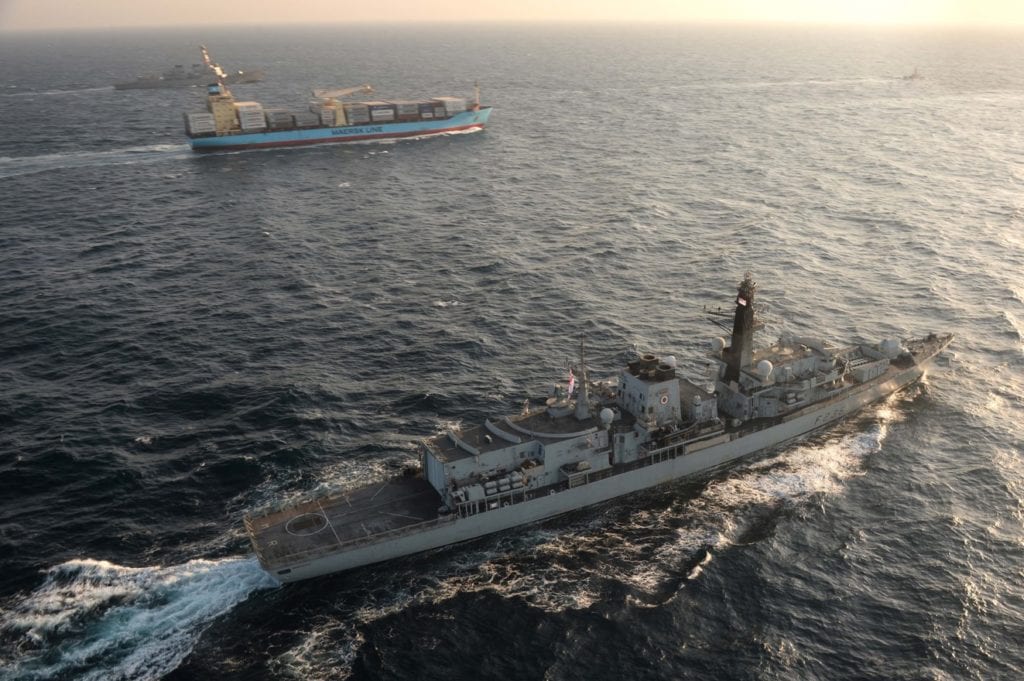
Collaboration between merchant shipping and military forces is seen as critical to securing trade flows across the Middle East. NCAGS

Collaboration between the merchant shipping community and coalition military forces is critical in securing maritime trade flows across the Middle East region, with communications and information sharing central to such collaboration, a U.S. Navy officer told a recent regional shipping stakeholder conference.

“Events have made it clear that no one entity alone can provide assurance to merchant shipping in this region,” Capt. Todd Hiller, commanding officer of Bahrain-based Naval Forces Central Command’s (NAVCENT’s) Naval Cooperation And Guidance for Shipping (NCAGS) organization, told the annual International Maritime Security Construct (IMSC) conference last month. “Never before has it been more important to collaborate with our coalition partners and stakeholders to protect freedom of navigation in this critical part of the world.”

Established in 2019 following attacks on commercial ships in port and at sea, IMSC is a multinational maritime coalition designed to deter “gray zone” threats to commercial shipping operating between the Southern Red Sea and the Northern Gulf. The 2021 conference, titled Security through Partnership, was IMSC’s second annual event, held virtually due to the Covid-19 pandemic.

While IMSC-led naval presence has done much to deter attacks, risk persists. “From unmanned vessel-borne improvised explosive device attacks, to limpet mines attached to the hulls of tankers, to the recent seizure of the Motor Tanker Hankuk Chemi these threats continue to attempt to destabilize commercial shipping,” Hiller said.

“Given the high risk of navigating, and security interests in the Middle East, there has been a steady uptick in stakeholder involvement in information sharing,” he said. “More times to not, stakeholders and coalition partners have shared specific knowledge and expertise that is paramount in staying ahead of the [risk].”

NCAGS acts as a key node in such information sharing, Hiller said. “NCAGS is an organization that bridges the gap between sustainment of forward-deployed military forces and merchant shipping, by providing a framework for communicating directions, advisories, concerns, and information. The mission is to assist the [U.S. 5th] Fleet commander in managing risk by providing maritime domain awareness (MDA), real-time clarity of the merchant shipping picture, and ensuring safe passage of merchant shipping in crisis or contingency.”

Staffed by U.S. Navy reservists, many of whom are merchant mariners or strategic sealift officers, NCAGS can scale up from providing single personnel as merchant marine advisors or liaison officers ashore or at sea, to a large theater contingent providing a shipping coordination center with teams assigned ashore or at sea.

Effective communications and information sharing is two way, Hiller said. For NCAGS, its outputs include creating incident reports, conducting ship visits, recommending transit routes, providing subject matter expertise, sharing best practice (currently based around the stakeholder-produced Best Management Practice document, or BMP 5), supporting NAVCENT forces and building and sharing an overall MDA and “pattern of life” picture. NCAGS is a touchpoint for shipping, for example for vessels transiting high-risk regions like the Southern Red Sea or the Straits of Hormuz. In return, the shipping community shares ship, cargo, and voyage information with NCAGS and encourages vessel masters to follow BMP5 guidance and report incidents to help build MDA.

“[Sharing] the most current information and accurate assessment of the merchant shipping picture is critical to the establishment of the ‘pattern of life’ and the achievement of MDA,” Hiller said.

From NCAGS’ perspective, effective communications and information sharing are enabled by its monitoring, tracking, and wider information technologies.

“Staying ahead with the latest information technology will keep NCAGS ahead of adversaries and reduce risk as it relates to operations, monitoring and surveillance, piracy, war, or other risks that could potentially impact MDA and patterns of life within the region,” Hiller said.

Hiller told Seapower that NCAGS information technologies include AIS Live and the SeaVision web-based maritime situational awareness tool, and that it is procuring the Maritime Intelligence Risk Suite tool that combines shipping database, real-time ship tracking, and risk event information.


U.S. Coast Guard Cutter Stone Completes Operation Southern Cross

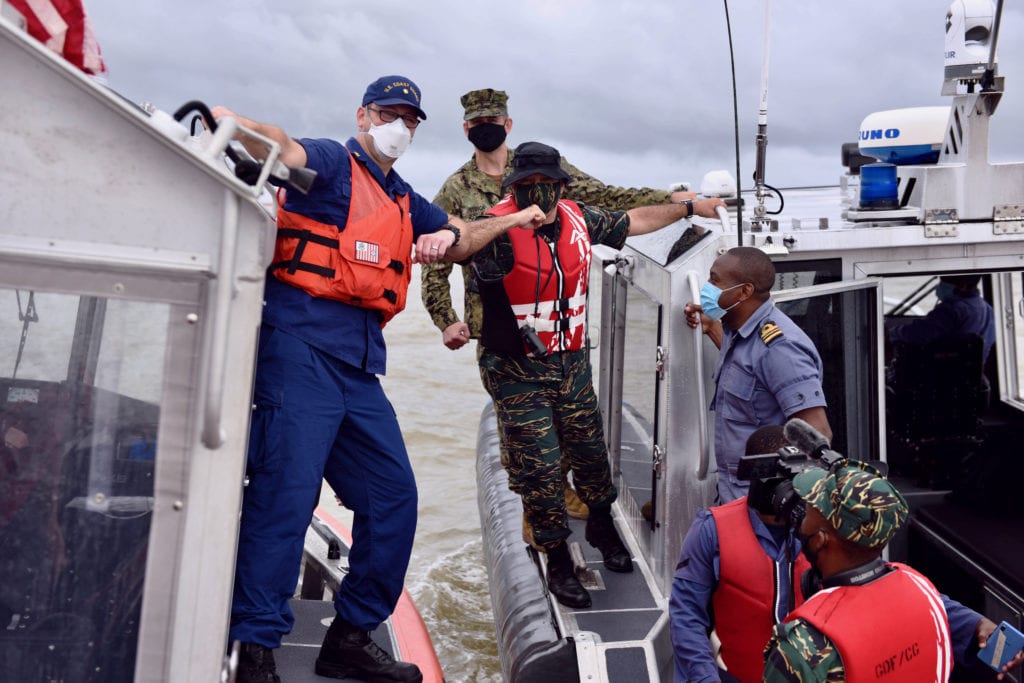
U.S. Coast Guard Lt. Cmdr. Jason McCarthey, operations officer of the USCGC Stone (WMSL 758), bumps elbows, as a COVID mitigation, with a member of the Guyana coast guard off the coast of Guyana on Jan. 9, 2021, to celebrate the joint exercise. The U.S. Coast Guard and Guyana coast guard completed their first cooperative exercise in training to combat illicit marine traffic since the enactment of a bilateral agreement between the two on Sep. 18, 2020. U.S. Coast Guard / Petty Officer 3rd Class John Hightower

PORTSMOUTH, Va. — The USCGC Stone (WMSL 758) crew arrived in their homeport of North Charleston, S.C., March 1, following the conclusion of the Operation Southern Cross, a patrol to the South Atlantic in support of counter illegal, unreported, and unregulated fishing (IUUF), the Coast Guard Atlantic Area said in a March 4 release. 
 
Taking the newly accepted cutter on its shakedown cruise, Stone’s crew covered over 21,000 miles (18,250 nautical miles) over 68 days. A mutual interest in combating IUUF activities offered an opportunity to collaborate for Stone’s crew. They interacted with partners in Guyana, Brazil, Uruguay, and Portugal, strengthening relationships and laying the foundation for increased partnerships to counter illicit maritime activity. 
 
“I could not be more proud of this crew,” said Capt. Adam Morrison, the Stone’s commanding officer. “It was no easy feat to assemble a crew and ready a cutter for sea, but to do so in a COVID-19 environment followed by a two-month patrol is truly quite amazing. While at sea, we completed all patrol objectives and strategic engagements with like-minded partners. Our crew training was balanced with shining a big spotlight on illegal fishing practices in the South Atlantic. We arrived at our homeport on Monday after nearly five months away from families and will now receive some well-deserved rest.”  
 
Even before leaving the pier, the Stone set milestones. They are the first U.S. Coast Guard cutter with a Portuguese navy member to serve aboard. Lt. Miguel Dias Pinheiro, a Portuguese navy helicopter pilot, joined the Stone’s crew for the entirety of their first patrol. 
 
Pinheiro served as both an observer and a linguist for daily operations. Further, he lent shipboard aviation experience. On this patrol, Stone certified their flight deck for aviation operations and embarked an aviation detachment from Air Station Houston. His participation in the patrol has already led to reciprocal activity with Portugal. 
 
“Working with our partner nations has not only strengthened our working relationships but has allowed the crew of the Stone to conduct training evolutions that we don’t often get to do,” said Lt. Cmdr. Jason McCarthey, the Stone’s operations officer. 
 
While in transit to conduct joint operations off Guyana’s coast, Stone encountered and interdicted a suspected narcotic trafficking vessel south of the Dominican Republic. Having stopped the illicit activity, Stone handed off the case to the USCGC Raymond Evans (WPC 1110), a fast response cutter from Key West, Florida, and continued its patrol south. 
 
Stone’s team practiced communications with the Guyana Defense Force during a fast-paced interdiction scenario. This evolution required focus and attention on both sides of the radio. 
 
In Brazil, the crew practiced communications and steaming in close formation, an essential skill for joint and combined operations. Stone’s team also gave presentations to the Brazil navy members on maritime law enforcement practices and tactics. 

“Having the opportunity to work together and exchange ideas helps us all become more proficient in achieving our shared goals,” said McCarthey. 
 
Stone was the first U.S. Coast Guard cutter to call in Uruguay in more than a decade. Stone’s crew familiarized their hosts on the Coast Guard’s full range of mission and operations, answering technical questions and sharing best practices. Uruguay expressed further interest in additional professional exchange opportunities and joint operations in the future.  
 
The Stone crew were given a unique opportunity to forge new bonds and strengthen the foundations of previous alliances in the face of a global crisis and did so through in-person and virtual engagement, conscious of the risks involved. 
 
“We are very keen to not only negotiate international agreements to address IUU fishing, as we did with the Port State Measures Agreement. We’re also very supportive of the work the Coast Guard is doing to build relationships and strengthen the operational effectiveness of all of the coastal states to combat IUU fishing,” said David Hogan, acting director of The Office of Marine Conservation, Bureau of Oceans and International Environmental and Scientific Affairs, U.S. Department of State. 
 
Operation Southern Cross promises to expand U.S. relationships with these partner governments. Beyond Operation Southern Cross’s immediacy, the U.S. government intends these collaborations to promote long-term regional stability, security, and economic prosperity.  
 
Stone’s crew now prepares for the cutter’s commissioning on March 19. 
 
The cutter’s namesake is the late Cmdr. Elmer “Archie” Fowler Stone, who in 1917 became the Coast Guard’s first aviator and, two years later, was one of two pilots to successfully make a transatlantic flight in a Navy seaplane, landing in Portugal.  


L3Harris to Design Long-Endurance Autonomous Surface Ship Concept for DARPA

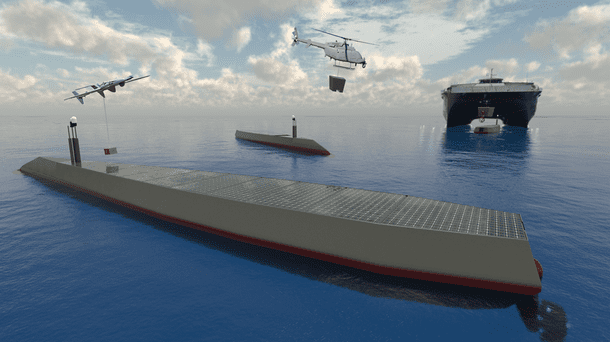
L3Harris was chosen for phase one of the two-phase No Manning Required Ship (NOMARS) program. The L3Harris design concept will streamline NOMARS’ construction, logistics, operations and maintenance life-cycle. L3Harris

MELBOURNE, Fla. — L3Harris Technologies has been selected to design an autonomous surface ship concept for the U.S. Defense Advanced Research Projects Agency (DARPA) to demonstrate the reliability and feasibility of an unmanned ship performing lengthy missions, the company said in a March 2 release. 

L3Harris was chosen for phase one of the two-phase No Manning Required Ship (NOMARS) program. The L3Harris design concept will streamline NOMARS’ construction, logistics, operations and maintenance life cycle. The company teamed with VARD Marine to validate the concept and design of the architecture and hull, mechanical and electrical systems.   

The L3Harris design features an advanced operating system that can make decisions and determine actions on its own, without direct human interaction. This concept optimizes autonomous surface ship operations to support the U.S. Navy’s future missions. 

“L3Harris continues to pioneer innovative autonomous solutions that offer fully automated and integrated ship control and preventative maintenance systems to the U.S. Navy and its allies,” said Sean Stackley, president, Integrated Mission Systems, L3Harris. “The NOMARS program selection reinforces our commitment to deliver highly reliable and affordable autonomous solutions that transform the way the U.S. Navy conducts its future missions.” 

L3Harris is a world leader in unmanned surface vehicle (USV) systems, with over 125 USVs and optionally manned vehicles delivered. The company’s USVs are actively serving U.S and international navies, universities, research institutions and commercial businesses. 


Navy Orders 20,000 SSQ-125 Sonobuoys

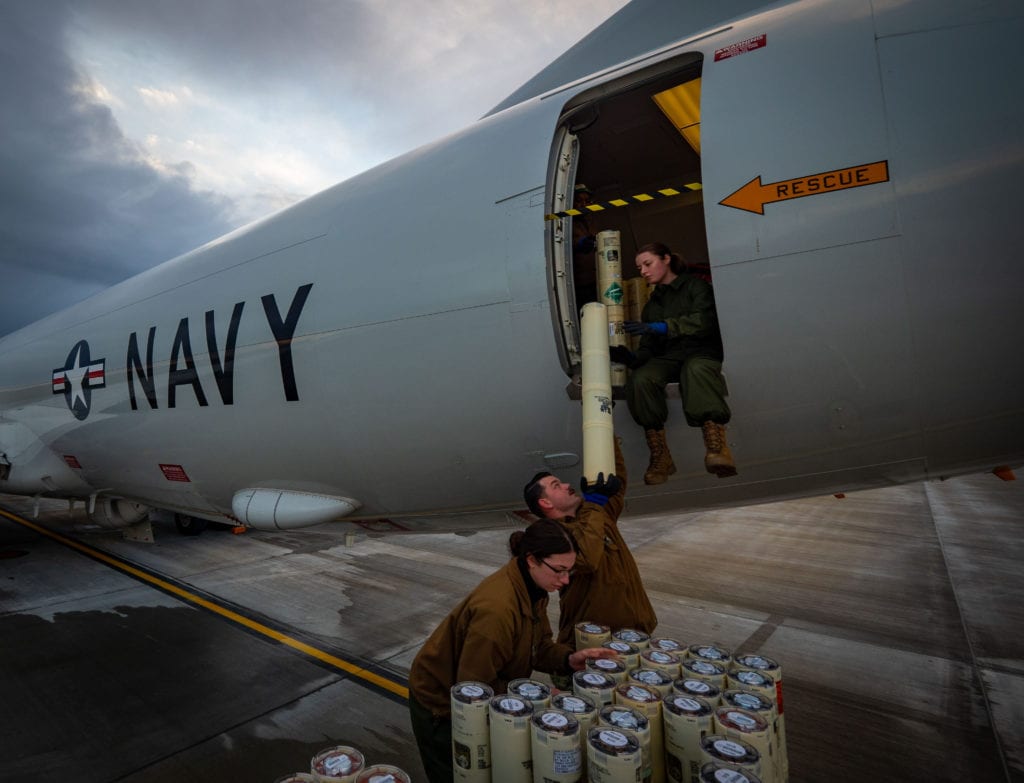
Aircrew Survival Equipmentman 3rd Class Alyssa Kozak, left, Hospital Corpsman 2nd Class Austin Phillips, center, and Aviation Ordnanceman Airman Siane Nash load sonobuoys onto a P-8A Poseidon anti-submarine warfare patrol aircraft, Dec. 14, 2020. U.S. Navy/ Mass Communication Specialist 2nd Class Austin Ingram

ARLINTON, Va. — The U.S. Navy has ordered 20,000 SSQ-125 sonobuoys for anti-submarine warfare (ASW) training and operations.  

The Navy has in recent years placed renewed emphasis in ASW and has increased its capabilities and capacity in view of the increased Russian and Chinese submarine activity and capabilities. 

The Naval Air Systems Command awarded ERAPSCO — a joint venture of Sparton Corp. and Ultra Electronics — a $71.3 million firm-fixed-price contract modification for a maximum quantity of 20,000 SSQ-125s, according to a March 3 Defense Department contract announcement.  

The sonobuoys will be used “in support of annual training, peacetime operations and testing expenditures and maintaining sufficient inventory to support the execution of major combat operations determined by the Naval Munitions Requirements Process for the Navy and Foreign Military Sales customers,” the announcement said.  

The SSQ-125 is used by U.S. Navy P-8A and P-3C aircraft and produces electronic (coherent) pulses of various types and lengths that enable Doppler processing to distinguish moving targets (such as submarines) from stationary features of the environment (such as shipwrecks).  

The work on the order is expected to be completed in March 2023.   


Huntington Ingalls Industries Launches Virginia-Class Submarine Montana

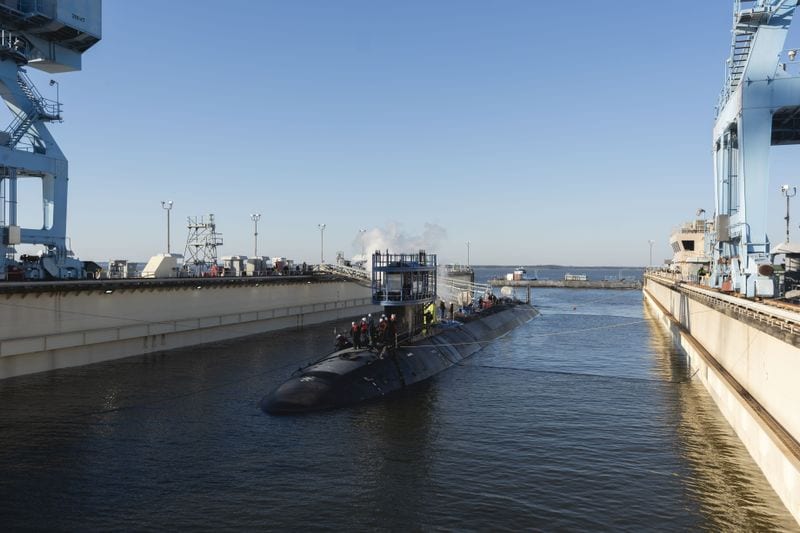
Newport News Shipbuilding division recently reached a significant construction milestone by successfully launching the Virginia-class submarine Montana (SSN 794). The ship was christened on Sept. 12, 2020, and is scheduled to be delivered to the U.S. Navy in late 2021. HII / Matt Hildreth

NEWPORT NEWS, Va. — Huntington Ingalls Industries launched the Virginia-class submarine Montana (SSN 794) into the James River at the company’s Newport News Shipbuilding division on March 3, the company announced in a release. 

The 7,800-ton submarine, which had been in a floating dry dock since being transferred from a construction facility in October, was submerged and moved by tugboats to the shipyard’s submarine pier, for final outfitting, testing and crew certification. 

“For our shipbuilders, launching Montana signifies five years of hard work, commitment and dedicated service,” said Jason Ward, Newport News’ vice president of Virginia-class submarine construction. “We look forward to executing our waterborne test program and working toward sea trials and delivering the submarine to the Navy later this year.” 

Through the teaming agreement with General Dynamics Electric Boat, approximately 10,000 shipbuilders, as well as suppliers from all 50 states, have participated in Montana’s construction since the work began in 2015. Montana is approximately 92% complete and scheduled to be delivered to the U.S. Navy in late 2021. 

Virginia-class submarines, a class of nuclear-powered fast attack submarines, are built for a broad spectrum of open ocean and littoral missions to replace the Navy’s Los Angeles-class submarines as they are retired. Virginia-class submarines incorporate dozens of new technologies and innovations that increase firepower, maneuverability and stealth and significantly enhance their warfighting capabilities. These submarines are capable of supporting multiple mission areas and can operate at submerged speeds of more than 25 knots for months at a time. 


U.S., Canadian Coast Guards, RCAF Rescue 31 Fishermen from Sinking Vessel

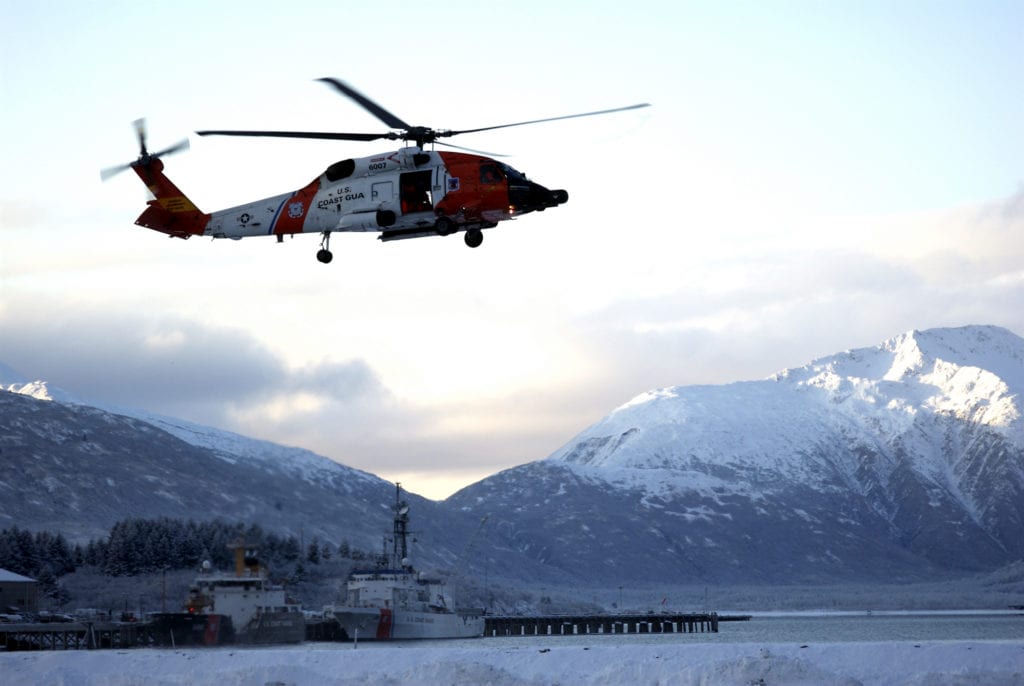
An MH-60 Jayhawk helicopter, shown here in a 2008 photo. A similar helicopter aided in the rescue of a disabled Canadian fishing vessel on March 2. Coast Guard / Petty Officer Richard Brahm

BOSTON — The U.S. and Canadian Coast Guards and Royal Canadian Air Force rescued 31 fishermen from a disabled, Canadian fishing vessel over 130 miles south of Halifax, Nova Scotia, during the night of March 2. 

At 7:05 p.m., March 2, the Rescue Coordination Center in Halifax notified watchstanders at the Coast Guard First District Command Center that the 143-foot vessel, Atlantic Destiny, was disabled with a fire on board, and was taking on water. 

A U.S. Coast Guard Air Station Cape Cod HC-144 Ocean Sentry fixed-wing crew, and two MH-60 Jayhawk helicopter crews launched and arrived on scene. 

A Royal Canadian Air Force CH-149 helicopter crew from 14 Wing Greenwood, in Nova Scotia, Canada, hoisted six crewmembers from the vessel, and dropped off two search and rescue technicians to assist in dewatering the vessel. 

The U.S. Coast Guard Jayhawk crews hoisted another 21 fishermen between the two helicopters. All hoisted crewmembers were taken to Yarmouth, Nova Scotia, where they were transferred for any medical treatment. 

The remaining four crewmembers and two SAR technicians ceased dewatering efforts and were transferred to the Canadian Coast Guard Ship Cape Roger. 

The vessel owner is coordinating any salvage efforts. 

The weather on scene was 35 mph winds and 15-foot seas. 


Coast Guard Transfers 3 Smugglers, Over $5.6M in Seized Cocaine to Federal Agents

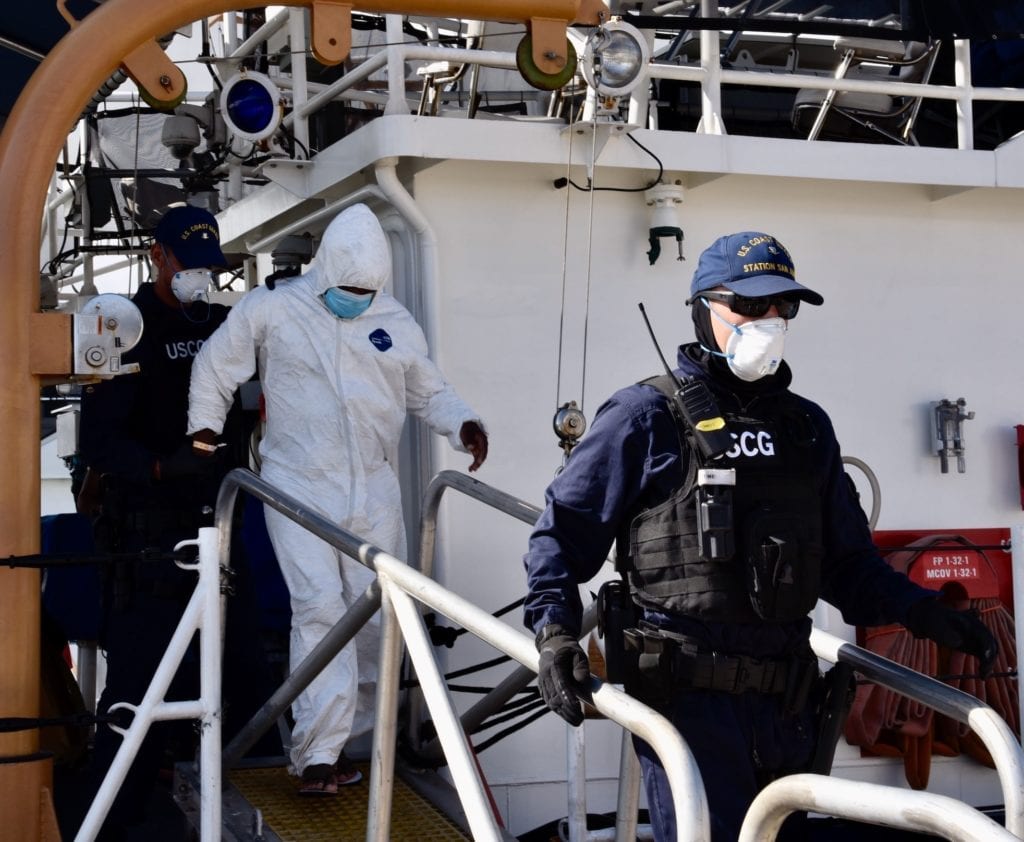
Coast Guard Cutter Heriberto Hernandez crew members offload over 200 kilograms of cocaine, valued at over $5.6 million, and transfer three suspected smugglers, one Venezuelan and two Dominicans to federal agents from the Caribbean Corridor Strike Force March 2, 2021 at Coast Guard Base San Juan. U.S. Coast Guard

SAN JUAN, Puerto Rico – The Coast Guard Cutter Heriberto Hernandez transferred custody of three suspected smugglers and $5.6 million in seized cocaine to federal agents at Coast Guard Base on San Juan March 2, following the interdiction of a drug smuggling vessel in the Caribbean Sea off St. Croix, U.S. Virgin Islands, the Coast Guard 7th District said in a March 3 release. 

The suspected smugglers are three males, one Venezuelan and two Dominican Republic nationals, who now face criminal charges by Department of Justice prosecution partners in the U.S. Attorney’s Office for the District of Puerto Rico. 

The interdiction resulted from multi-agency efforts in support of U.S. Southern Command’s enhanced counter-narcotics operations in the Western Hemisphere, the Organized Crime Drug Enforcement Task Force (OCDETF) and High Intensity Drug Trafficking Area (HIDTA) programs, and the Caribbean Corridor Strike Force (CCSF). 

“This interdiction was the result of great teamwork from beginning to end with our interagency partners.” said Lt. Peter Kelly, Coast Guard Cutter Richard Dixon commanding officer. “I am extremely proud of the execution of the Richard Dixon crew in what was not an easy mission, and we are pleased to have kept such a large amount of cocaine from reaching U.S. streets.”   

The bust occurred during the afternoon of Feb. 23, 2021, after the aircrew of a Customs and Border Protection Caribbean Air and Marine Branch maritime patrol aircraft detected a suspicious go-fast vessel in international waters southeast of St. Croix, U.S. Virgin Islands.   

The Coast Guard Cutter Richard Dixon diverted to interdict the go-fast vessel with the assistance of the cutter’s small boat. Following the interdiction, the Cutter Richard Dixon’s boarding team located and seized over 200 kilograms of cocaine. 

The crew of the cutter Richard Dixon embarked the three men and seized contraband from the go-fast vessel, and later transferred them aboard the Coast Guard Cutter Heriberto Hernandez for transport and offload in San Juan, Puerto Rico, where CCSF federal agents received custody. Cutters Richard Dixon and Heriberto Hernandez are 154-foot fast response cutters homeported in San Juan, Puerto Rico.