SAFE Boats International Delivers Response Boat–Small Demonstrator to U.S. Coast Guard
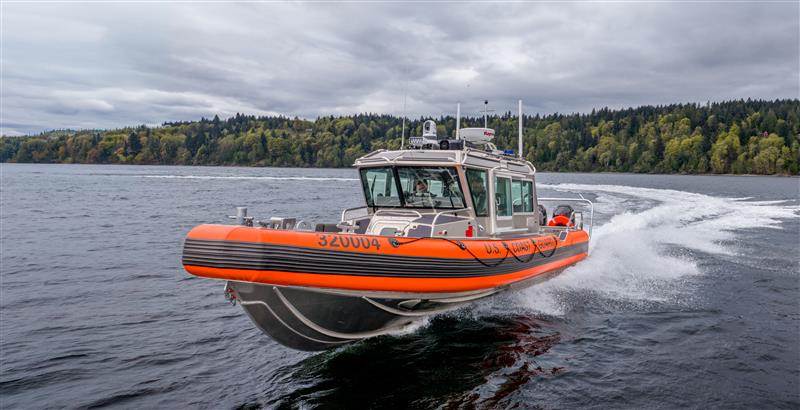
SAFE Boats International delivered its Response Boat-Small demonstration to the U.S. Coast guard. Photo credit: SAFE Boats International

SAFE Boats International, a U.S. manufacturer of high-performance aluminum vessels, announced the successful delivery of its Response Boat–Small (RB-S) demonstrator unit to the U.S. Coast Guard in Charleston, South Carolina. The delivery marks a key milestone in the Coast Guard’s evaluation of next-generation capabilities for one of its most critical and widely deployed operational platforms.

Purpose-built to meet the evolving demands of Coast Guard missions, including search and rescue, law enforcement, and maritime security, the SAFE Boats RB-S Demonstrator reflects a rapid, agile development approach rooted in real-world operator experience and advanced marine engineering.

Measuring 32 feet by 4.5 inches long with an 8-foot, 6-inch beam, the vessel delivers a cruising speed of 28 knots and a top speed of 49 knots, powered by twin 300hp V10 Mercury Verado outboard engines. Designed for performance, durability, and crew survivability, the platform integrates a range of advanced features that distinguish SAFE Boats as a leader in next-generation patrol craft.

“The delivery of this RB-S demonstrator underscores SAFE Boats’ ability to move quickly, listen closely, and deliver a highly capable platform built around the realities of Coast Guard operations,” said Rob Goley, Chief Revenue & Customer Officer at SAFE Boats International. “Our employee-owners, many of whom are veterans and former operators, bring firsthand experience to every stage of design and construction. That perspective ensures we are not just building boats but delivering mission-ready tools that prioritize crew safety, comfort, and operational effectiveness.”

The SAFE Boats RB-S demonstrator features a full foam collar system constructed from closed-cell polyethylene foam encapsulated in a durable polyurethane membrane, eliminating the need for inflation, reducing maintenance, and enhancing long-term reliability. Beyond durability, the collar plays a critical role in vessel stability, performance, and crew safety in dynamic maritime environments.

Additional performance innovations include enhanced performance fins for increased lift and superior cornering, as well as a stepped transom hull design that allows engines to be mounted higher reducing drag and increasing speed and fuel efficiency. A proprietary “speed shoe” integrated into the keel further enhances hydrodynamic efficiency.

SAFE Boats’ aluminum hull is engineered with air- and watertight integrity and undergoes pressure testing to prevent water intrusion. A self-bailing deck and concave lifting strakes contribute to improved handling and seaworthiness in challenging conditions.

Crew safety and comfort are central to the vessel’s design. The onboard AC system allows simultaneous operation of heating and air conditioning, enabling independent control of temperature, airflow, and defogging, critical for maintaining visibility and reducing fatigue in all weather conditions. Shock-mitigating SHOXS seating further enhances crew endurance during high-speed operations.

The vessel also features modular MOLLE panel systems for mission-configurable storage, overhead-mounted visibility windows for enhanced situational awareness, and the Intelligent Marine Assistance System by Hefring Marine, an advanced technology platform that improves operational safety, efficiency and survivability through real-time data and guidance.

“This platform is the result of thoughtful design and disciplined execution by more than 300 employee-owners committed to building boats that perform when it matters most,” Goley added. “From hull design to onboard systems, every detail reflects our focus on protecting the crew and enhancing mission capability.” The RB-S Demonstrator program brings together multiple industry partners to support the Coast Guard’s evaluation of future vessel designs. SAFE Boats’ delivery highlights its continued leadership in advanced patrol craft programs and its longstanding partnership with the Coast Guard.
USNS Robert E. Peary Enables 4th Fleet Combat Readiness with 154-Day Deployment

From LaShawn Sykes – USN Military Sealift Command, April 30, 2026

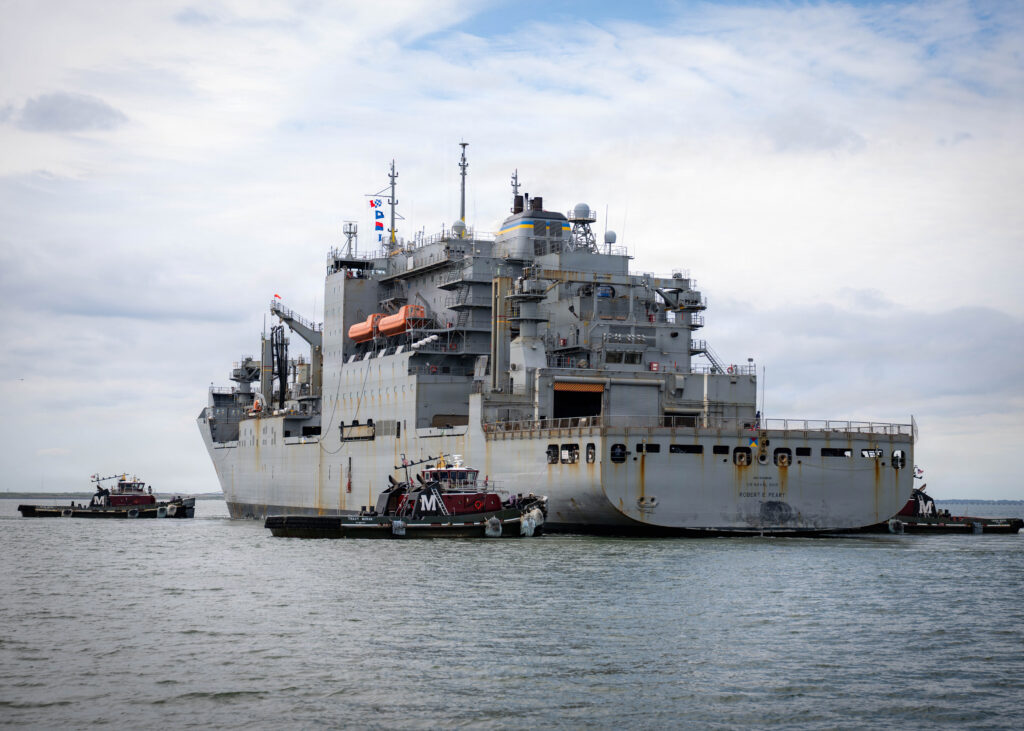
The U.S. Navy’s Lewis and Clark-class dry cargo ship USNS Robert E. Peary (T-AKE-5) returns to homeport at Naval Station Norfolk, April 29, 2026. Photo credit: U.S. Navy | Brett Dodge

NORFOLK, Virginia (April 29, 2026) – USNS Robert E. Peary (T-AKE 5) and the ship’s 105 civil service mariners (CIVMARS) returned to Naval Station Norfolk, concluding 154-day deployment, April 29.

Operating in the U.S. 4th Fleet area of responsibility, the Peary supported Operation Southern Spear (OSS) — a counter-narcotics mission to dismantle Designated Terrorist Organizations and counter illicit maritime activity that threatens the security and stability of the Western Hemisphere — by supplying 17 Navy vessels, including the Gerald R. Ford Carrier Strike Group, USS Iwo Jima Amphibious Ready Group, and USS Lake Erie.

The Peary served as the vital supply line for the U.S. Navy’s global projection. Operating as a floating superstore, it provided fuel, ammunition and stores at sea, allowing Navy warships to stay on station indefinitely and eliminating the need to return to port for logistics.

As the sole dry cargo and ammunition vessel, Peary executed 64 at-sea replenishments, transferring 19,488,042 gallons of fuel, performing 16 CONSOLS (consolidation of cargo at sea), 13 VERTREPS (vertical replenishments at sea), and handling 12,899 pallets. “Peary’s efforts were instrumental in expanding the Navy’s operational reach, thus, increasing the sustainability of our Navy warships operating in 4th Fleet,” said Capt. James A. (Jamie) Murdock, commodore of Military Sealift Command (MSC) – Atlantic in Norfolk, Va.

“This was a highly successful five-month deployment,” said Capt. Dale P. Cramer, shipmaster of USNS Robert E. Peary. “The ability to sustain warfighting ships – given the high op tempo of the Caribbean Sea and global events – was truly magnificent. I am so incredibly proud of the entire Peary crew, who demonstrated what it means to be a professional civilian mariner, delivering excellence under intense, real-world conditions to keep our Navy fighting.”

It is the enduring tradition of MSC CIVMARS to face risks wherever necessary to provide logistical support to the Navy’s fleet,” Murdock said. “Thank you to Capt. Cramer and his crew for looking out for one another and bringing the Peary home safe and mission ready.”

In addition to Peary’s participation, several other MSC ships provided replenishment and logistic services to U.S. Navy warfighting ships in the Caribbean, including the fleet replenishment oiler USNS Kanawha (T-AO 196), the fast combat support vessel USNS Supply (T-AOE 6), and tanker Overseas Mykonos.

The Peary has been operational since 2008. It is a 210-meter vessel among 14 MSC dry cargo and ammunition vessels that provide virtually everything Navy ships need to accomplish their missions at sea.

MSC operates roughly 140 civilian-crewed ships that provide global logistics, replenishment at sea, specialized mission support, and combat cargo prepositioning for the U.S. Navy.


HII’s Ingalls Shipbuilding is Awarded Frigate Lead Yard Support Contract

From HII

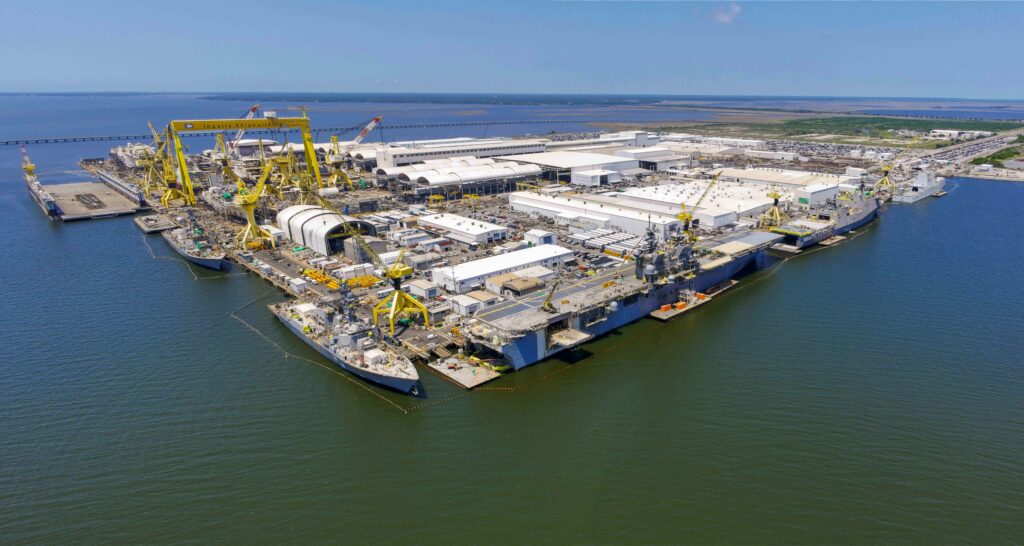
PASCAGOULA, Miss., April 28, 2026 (GLOBE NEWSWIRE) — HII (NYSE: HII) announced today that the U.S. Navy awarded its Ingalls Shipbuilding division a $283 million contract to perform FF(X) class frigate lead yard support activities for the new frigate class. The contract allows Ingalls Shipbuilding to procure long lead time material, execute design work and begin pre-construction activities for the first ship. 

“We are proud of our past performance in engineering, design and production of warships that meet U.S. military standards, a performance that gave the Navy confidence to select the national security cutter as the basis for the next small surface combatant and to choose Ingalls as the program’s lead yard,” said Brian Blanchette, Ingalls Shipbuilding president. “We are excited to partner with the Navy to bring these preproduction steps under contract to accelerate delivery of the frigates that our warfighters need.” 

Under this contract, Ingalls Shipbuilding will begin cutting and shaping raw material to support future phases of work on the main structure foundation and the overall construction sequencing plan of the first frigate. This new approach will enable a smooth transition from design to production at Ingalls Shipbuilding and eventually across the industrial base. 

In December 2025, the U.S. Navy selected Ingalls Shipbuilding to design and build the future FF(X), leveraging the stable and proven design of the Legend-class national security cutter (NSC). Ingalls previously delivered 10 NSCs to the U.S. Coast Guard and will use the same proven build sequence for the FF(X) program. The new frigates will be constructed alongside production lines that currently support DDG 51 Flight III destroyers, LHA assault ships, LPD Flight II amphibious transport docks, and modernization activities for the Zumwalt-class guided missile destroyers. 

To meet urgent Navy demand and support construction of next-generation platforms, Ingalls Shipbuilding has invested more than $1 billion in modernizing its infrastructure, facilities, and toolsets. HII as a whole is actively working to expand U.S. shipbuilding capacity by, among other things, increasing the number of distributed shipbuilding partners, collaborating with international manufacturers, and evaluating the addition of another U.S. shipyard. 

The Navy’s new class of smaller combatant ships, the FF(X), is a critical component of the Navy’s fleet of the future. The FF(X) will be a smaller, more agile surface combatant designed to complement the fleet’s larger, multi-mission warships and enhance operational flexibility around the globe. 


FRCE delivers first metal 3D printed parts to fleet 

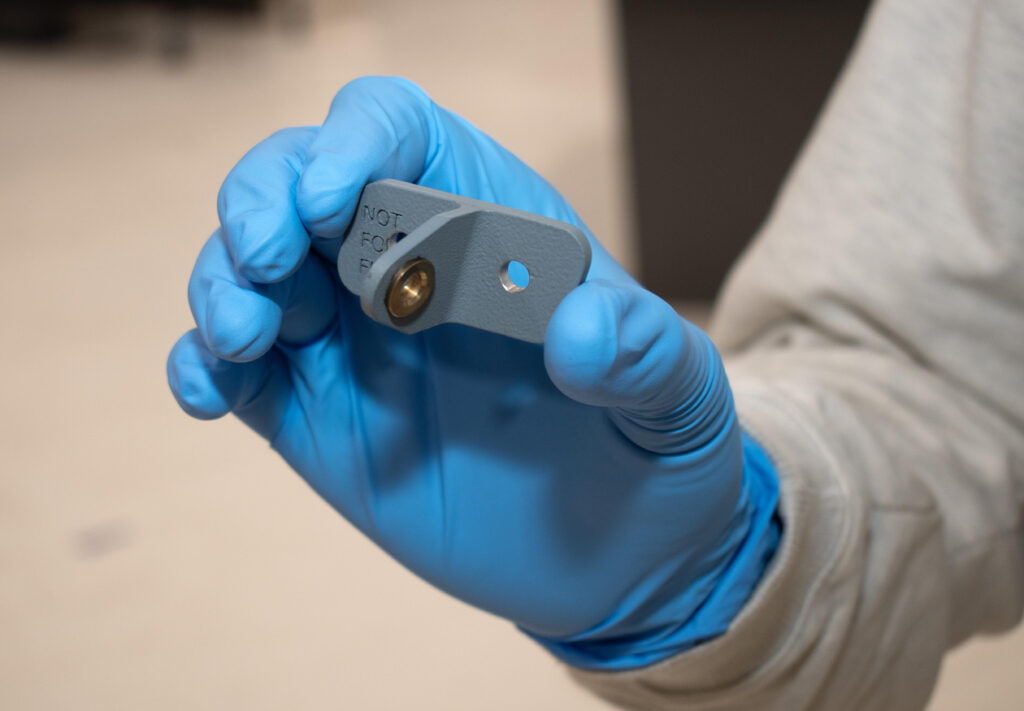
Fleet Readiness Center East (FRCE) recently delivered its first non-flight-critical metal additive manufactured aircraft parts to the fleet, boosting flight line readiness. An FRCE aircraft welder and metal additive operator showcases a sample metal additive manufactured pylon fitting for the AH-1Z Viper that the depot’s Advanced Technology and Innovation Team created for the H-1 Fleet Support Team. 

From Fleet Readiness Center East, April 27, 2026 

MARINE CORPS AIR STATION CHERRY POINT, N.C. — Fleet Readiness Center East (FRCE) is marking a new era of aircraft sustainment with the delivery of its first flight-certified metal additive manufactured parts to the fleet, significantly improving aircraft downtime and flight line readiness.   

A recent collaboration with the Naval Air Systems Command (NAVAIR) Additive Manufacturing Team and Fleet Support Teams has allowed the Advanced Technology and Innovation Team at FRCE to develop processes and obtain certification to use metal additive manufacturing to create its first non-flight-critical aircraft parts. 

Metal additive manufacturing works similarly to traditional 3D printing, but instead of applying plastic filament layer by layer, it uses high-powered lasers to weld thin layers of aluminum powder into a solid object. Since establishing capability, FRCE has used this process to manufacture and deliver three flight-worthy parts to the fleet: the weapons pylon fitting for the AH-1Z Viper, the repair fitting for the main landing gear on the V-22 Osprey, and a blanking plate for the C-130 Hercules. 

The integration of metal additive manufacturing marks a strategic shift in the command’s warfighter support. This capability is designed to enhance mission readiness by providing a more efficient and localized solution for parts procurement, effectively reducing maintenance lead times and ensuring aircraft remain flight ready. This on-demand manufacturing initiative is a central element of FRCE’s broader effort to modernize its support and enhance mission readiness. 

Beyond delivering its first flight-ready metal additive manufactured parts, FRCE reached a second milestone along the way: successfully completing the rigorous capability demonstration in under six months. This achievement serves as a formal validation of the depot’s metal additive manufacturing processes and confirms the 3D-printed metal parts made at the facility meet the same safety and quality requirements as traditionally manufactured parts. FRCE’s Advanced Technology and Innovation Team lead said this accomplishment was a group effort between many teams within NAVAIR. 

“We were challenged to complete the qualification, production and certification processes for these parts in six months, and we not only met but exceeded that standard,” the team lead said. “This is the fastest this sort of thing has ever been done within Naval Air Systems Command, and it shows that we are competitive with industry standards. This entire process has been a team effort between FRC East, our headquarters, the site in Lakehurst, and the Fleet Support Teams, working together to ensure these parts are ready and reliable for our troops.” 

The pylon fitting, a small but important attachment point for the aircraft’s weapon pylons, was the depot’s first flight-certified metal additive manufactured aircraft part. FRCE delivered the pylon fitting to the H-1 Fleet Support Team in early 2025, followed by the delivery of the landing gear repair fitting to the V-22 Fleet Support Team and the blanking plate to the C-130 Fleet Support Team later that year. 

In addition to the three flight-worthy parts, the FRCE has also used the metal additive manufacturing equipment to produce specialized tooling and support parts for the depot’s maintainers to use, allowing for more efficient repairs. 

Metal additive manufacturing provides the fleet with a time-saving solution for replacing worn and damaged parts that can be difficult to obtain through the traditional supply chains. FRCE Additive Manufacturing Team lead said producing the parts in-house and on demand improves flight line readiness by decreasing aircraft downtime. 

“If there’s a fight and the fleet needs these parts tomorrow, they won’t have time to wait for those parts through traditional supply chains,” the team lead said. “The fleet was having a hard time getting their hands on repair fittings for the V-22 main landing gear – it’s basically a doorstop for the landing gear door when it comes up. They turned to additive manufacturing and asked us if it was something we could make, so we took on that part, and a few others, as part of our capability demonstration. The goal is to give the fleet what they need when they need it, and we did just that.” 

FRCE will soon expand its metal additive manufacturing capabilities to include stainless steel, a stronger and more durable material than aluminum. This expansion will allow the depot to produce a wider range of flight-critical parts and support equipment for the fleet, further increasing flight line readiness. 


NSWCDD graduates first students from in-house Wartime Readiness Short Course

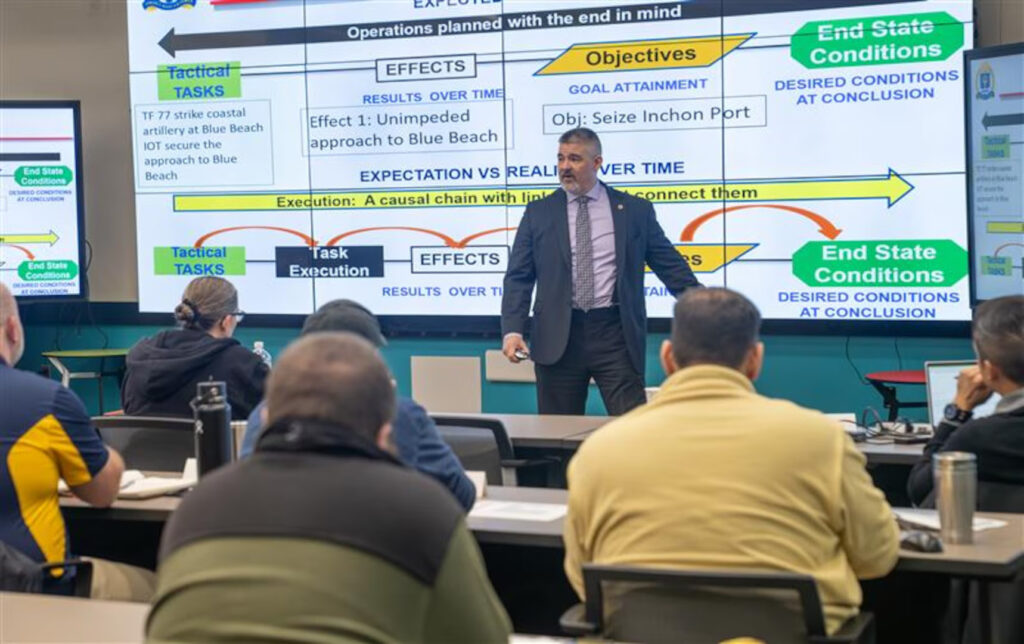
DAHLGREN, Va. – Professor C.A. “K-Jack” Krajacich, director of Maritime Staff Courses at the U.S. Naval War College, teaches the first Naval Surface Warfare Center Dahlgren Division (NSWCDD) Wartime Readiness Short Course to a room full of Sailors and civilians. The course is designed to provide perspective on how maritime operations centers support the fleet. (Matt Lyman/NSWCDD Photo)

By Matt Lyman, NSWCDD Corporate Communications, April 24, 2026 

DAHLGREN, Va.  –  The U.S. Navy, in times of competition, conflict, and contingency or combat operations, leverages Maritime Operations Centers to equip commanders and staff with the resources needed to execute responsibilities as a component, Fleet and/or Maritime Component Commander. 

Naval Surface Warfare Center Dahlgren Division is applying the Maritime Operations Center doctrine, and in concert with the U.S. Naval War College, offered the first NSWCDD Wartime Readiness Short Course at the Innovation Lab March 24-26, 2026, in Dahlgren, Virginia. 

Susan Botkin, the workforce development lead for NSWCDD, said the course ensures employees and military members understand how their work fits into larger Navy decision cycles and crisis-response frameworks. 

The inaugural class included about 24 students, comprised of Sailors and government civilians from NSWCDD and other Warfare Centers. They attended the course to begin building a common operational language across NAVSEA and the warfare center enterprise, enabling more effective collaboration, faster problem‑solving, and better alignment with Fleet priorities. 

“It’s essential because it strengthens the workforce’s ability to think, plan, and operate in the same environment our Fleet commanders face every day. NSWCDD’s technical excellence must be paired with operational understanding,” added Botkin.   

Instructors from the U.S. Naval War College taught the class, giving students direct access to professors who routinely teach senior officers preparing for command and major operational roles. This exposure accelerates learning, ensures our workforce receives instruction grounded in real‑world operational experience, and allows students to ask questions and get on-the-spot feedback. 

“The primary intended takeaway was a better understanding of how the Fleet plans and how the system commands accelerate support in a crisis.  Despite cultural and institutional differences, there are many similarities between what the SYSCOMs do and how the Fleet conducts missions,” said Eric Dukat, associate professor, director of operations at the College of Maritime Operational Warfare, Naval War College. 

That fact was not lost on the students who came from other Warfare Centers across the United States to attend the course. 

“For the Warfare Center Enterprise, this training was about moving from technical support to operational partnership. We are already experts at the how, but this course helped us better understand some of the why,” said Andria Wenz, the wartime readiness coordinator for NSWC Crane. 

Students will graduate from the short course with a deeper understanding of how the Navy plans, fights, and executes operations. They will have insight into the Maritime Operations Center construct and how decisions are made at the operational level. 

“By understanding MOC structures and the Navy Planning Process, we can go from being a reactive help desk to a proactive part of the Navy’s ‘Foundry’,” added Wenz. 

They will leave with a stronger ability to align their technical work with Fleet needs, improved communication skills when working with operators, sponsors, and senior leaders and a broadened perspective on how NSWCDD and other warfare center capabilities contribute to deterrence, crisis response, and wartime execution. 

“This signals to higher headquarters and to the Fleet that we take this seriously and that we are trying to prepare for crisis and/or conflict, because if we’re better, everyone’s better,” said Capt. Joe Oravec, commanding officer for NSWCDD. 

Increased activity across the globe, cyber threats, unmanned system proliferation, and the pace of technological warfare highlight the importance of preparing civilians to support the Fleet during crisis or conflict and have driven warfare centers, including NSWCDD, to refocus on Wartime Readiness. 

“Real-world events, the increased Navy presence around the world, rapid technological change and the fast-moving “era” of artificial intelligence, and contested maritime domains, have underscored the need for a workforce that understands operational readiness,” said Rob Ward, wartime readiness lead for NSWCDD. 

Students are expected to bring an enhanced toolkit back to their respective workspaces to help coworkers gain operational context and thus improve the quality and timeliness of technical solutions. 

They will also support more informed decision-making during tight deadlines from the Fleet, all while enhancing warfare center credibility. Setting the warfare centers apart as workforces, specifically committed to technical excellence, who are always willing to be there to support the Sailors and the Fleet. 

“Wartime Readiness is not just a short course; it is an investment in the Navy’s future. NSWCDD’s technical workforce plays a critical role in shaping the systems, tools, and capabilities the Fleet depends on,” said Ward. 

“To design for the fight, we must understand the fight. This training builds that bridge. It equips our workforce with the operational mindset needed to anticipate Fleet needs, accelerate innovation and deliver solutions that matter in the moments that matter most. By empowering our people with this knowledge, NSWCDD strengthens its role as a trusted, operationally relevant partner to the warfighter,” added Ward. 


USS San Antonio Returns to Norfolk from U.S. 4th Fleet Deployment

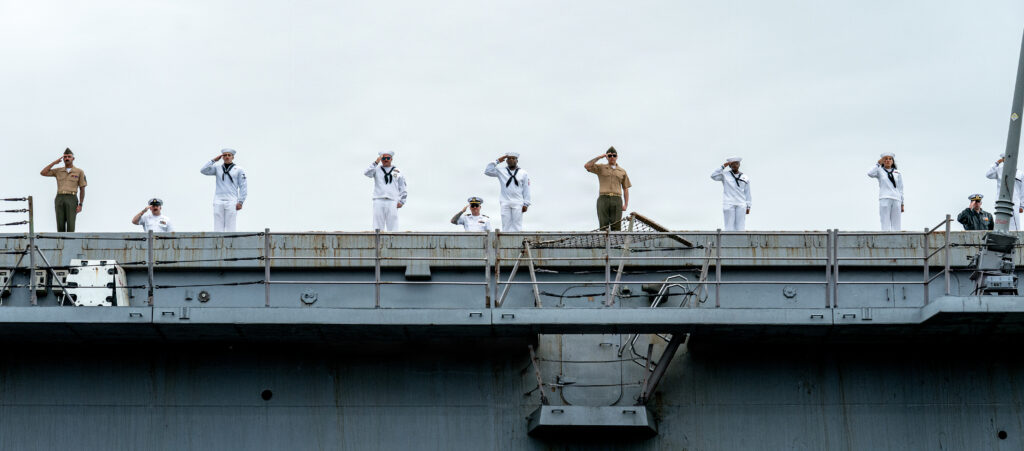
 NORFOLK, Va. (April 28, 2026) — Sailors assigned to the San Antonio-class amphibious transport dock ship USS San Antonio (LPD 17) man the rails upon the ship’s arrival to Naval Station Norfolk, Virginia, April 28, 2026, following an eight-and-a-half-month deployment supporting the Iwo Jima Amphibious Ready Group (IWO ARG) and the 22nd Marine Expeditionary Unit (MEU)-Special Operations Capable (SOC) mission in the U.S. 4th Fleet area of operations. During the deployment the San Antonio supported Operation Southern Spear, conducted counter-narcotics and embassy reinforcement operations, and provided foreign humanitarian assistance to Jamaica following Hurricane Melissa. (U.S. Navy photo by Mass Communication Specialist 2nd Class Derek Cole)

From U.S Fleet Forces Command, April 29, 2026 

NORFOLK, Va. – First-in-class San Antonio-class amphibious transport dock ship USS San Antonio (LPD 17) returned to its homeport in Norfolk, Virginia, April 28, 2026, after eight and a half months at sea supporting the Iwo Jima Amphibious Ready Group (IWO ARG) and the 22nd Marine Expeditionary Unit (MEU)-Special Operations Capable (SOC) mission in the U.S. 4th Fleet area of operations.

San Antonio, alongside USS Iwo Jima (LHD 7) and USS Fort Lauderdale (LPD 28), departed on Aug. 14, 2025. The three ships make up the IWO ARG and were among the first expeditionary naval assets called to support Operation Southern Spear. 

While on mission in the Caribbean, San Antonio’s Sailors and Marines worked seamlessly to support national-level tasking with joint services and naval assets in the region to accomplish Department of War-directed operations and the President’s priorities, which included Enhanced Counter Narcotics Operations designed to protect the homeland.   

“The performance of our Navy-Marine Corps team during Operation Southern Spear was nothing short of exceptional,” said Capt. Tom Uhl, San Antonio’s commanding officer.   

“Our deployment to the 4th Fleet area of responsibility required immense focus, and I stand continually impressed by this crew’s dedication to the mission,” said Uhl. “From the moment we left the pier, they leveraged their rigorous pre-deployment training to flawlessly execute enhanced counter-narcotics operations and seamlessly adapt to every contingency they faced in the region.” 

While in theater, San Antonio’s Sailors and Marines supported the U.S. Southern Command mission, Department of War-directed operations, and the President’s priorities to disrupt illicit drug trafficking and protect the homeland. The ship’s integrated team of Sailors and Marines stood ready as the backbone of support for Marines conducting embassy reinforcement in the region. The ship also executed contingency operations in the region, including disaster response efforts in Jamaica from Oct. 31 to Nov. 13, 2025, in the aftermath of Hurricane Melissa. San Antonio’s Sailors and Marines partnered with Joint Task Force (JTF) Bravo to provide foreign humanitarian assistance to those greatly affected by the hurricane. 

“The destruction wrought by Hurricane Melissa was devastating to see,” said Uhl. “Having just pulled into St. Croix for a resupply opportunity, we quickly got back underway in less than 24 hours and made best speed toward Jamaica.” ` A whole-of-force effort, San Antonio’s Sailors and Marines took the lead in the mission to provide – by sea, air, and land – water, food, supplies, and assistance into highly affected areas where damage prevented the logistical flow of aid. The careful mission planning aboard San Antonio, in concert with JTF Bravo and the 22nd MEU (SOC), enabled mission success. Using organic ARG-MEU air assets, San Antonio’s crew enabled its embarked Marines from the 22nd MEU (SOC) to airlift aid and personnel directly into Jamaica to augment JTF-Bravo’s ongoing efforts. 

“By quickly surging to respond to this mission, our Sailors and Marines provided a beacon of hope for the people whose lives were upturned by the storm,” Uhl said. “I am extremely proud of this integrated team for meeting our tasking head on to provide aid to our neighbors in need.” 

Central to most deployments, San Antonio also made several port calls, among them St. Croix, U.S. Virgin Islands, St. Kitts and Nevis, and Ponce, Puerto Rico. Sailors and Marines participated in several outreach projects across the community while in port. 

Community service projects are a cornerstone of every deployment and allow Sailors and Marines to connect with and give back to the community, while fostering vital relationships with partners and allies across the world as ambassadors of the United States. 

While in St. Kitts and Nevis, San Antonio’s Sailors and Marines had a unique opportunity to meet with leaders from the Caribbean Community and engage with the Prime Minister of St. Kitts and Nevis, Dr. Terrance Drew. The visit highlighted the strong diplomatic ties between St. Kitts and Nevis and the United States of America. 

During the deployment, San Antonio traveled nearly 49,000 nautical miles and conducted roughly 453 hours of flight operations. This deployment proved the wide range of capabilities and flexibility that the U.S. Navy-Marine Corps team provides the Nation’s leaders. 

“For more than 20 years, USS San Antonio has deployed across the globe in support of U.S. strategic interests, serving as a symbol of freedom and 250 years of American sea power,” Uhl said. 

While in port in Norfolk, the warship will perform previously planned maintenance and preservation work to prepare for follow-on tasking. San Antonio’s Sailors and Marines will also have the chance to reunite with family during this in-port period. 

“The most important, key enabler in the resilience and efficacy of our force is without a doubt the Navy and Marine Corps families who support us on the homefront,” said Uhl. “They are our strongest motivation to get through the hardest days, and our greatest source of excitement to return home.” 


Wreckage of U.S. Coast Guard Cutter Tampa Discovered Off Cornwall, United Kingdom

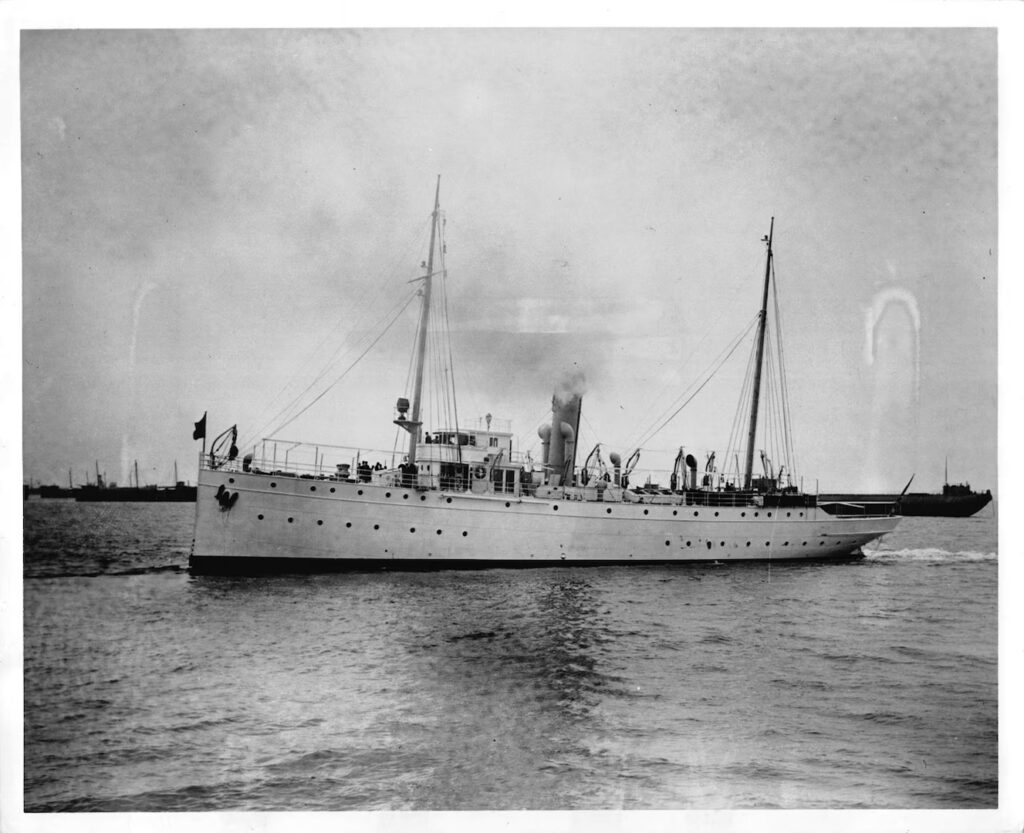
A historical photo of Coast Guard Cutter Tampa, which was lost in 1918 during World War I after being torpedoed by a German submarine. Tampa’s wreckage was recently located off the coast of Cornwall, United Kingdom, marking the largest single naval American combat loss of life in World War I. (U.S. Coast Guard photo)

From U.S. Coast Guard Headquarters, April 29, 2026 

WASHINGTON – The wreckage of the Coast Guard Cutter Tampa has been located and confirmed by the British technical-diving team Gasperados. The site lies approximately 50 miles off Newquay, Cornwall, United Kingdom, at a depth exceeding 300 feet deep in the Atlantic Ocean. 

Tampa was lost in 1918 during World War I after being torpedoed by a German submarine in the Bristol Channel. The vessel sank in less than three minutes, resulting in the death of all 131 people aboard—111 Coast Guardsmen, four U.S. Navy personnel, and 16 British Navy personnel and civilians. This remains the largest single American naval combat loss of life in World War I. 

“Since 1790, the Coast Guard has defended our nation during every armed conflict in American history, a legacy reflected in the courage and sacrifice of the crew of Coast Guard Cutter Tampa,” said Adm. Kevin Lunday, commandant of the Coast Guard. “When the Tampa was lost with all hands in 1918, it left an enduring grief in our service. Locating the wreck connects us to their sacrifice and reminds us that devotion to duty endures. We will always remember them.  We are proud to carry their spirit forward in defense of the United States.” 

In 2023, the Coast Guard Historians Office was contacted by the Gasperados Dive Team regarding the Tampa. Over the past three years, the all-volunteer team conducted an extensive search for the wreckage. 

“We provided the dive team with historical records and technical data to assist in confirming the wreck site,” said Dr. William Thiesen, Coast Guard Atlantic Area Historian. “This included the archival images of the deck fittings, ship’s wheel, bell , weaponry, and archival images of the Tampa.” 

The Coast Guard is now developing plans for underwater research and exploration in coordination with its offices of specialized capabilities, historians, cutter forces, robotics and autonomous systems, and dive locker. 

Additional information about the Tampa’s legacy can be found here


Saronic, Taiwan Institute Sign MOU to Advance AI Maritime Capabilities

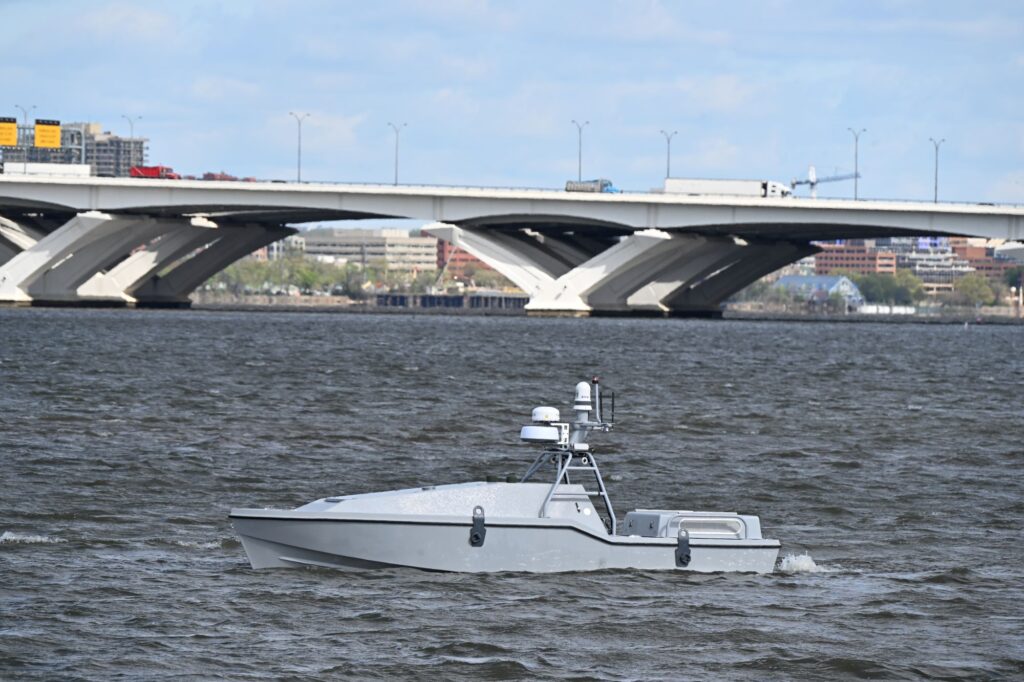
Saronic’s Corsair shown off the pier at Sea-Air-Space in 2025. Photo credit: Brett Davis

Saronic Technologies announced April 27 it has entered into a memorandum of understanding with Taiwan’s National Chung-Shan Institute of Science and Technology (NCSIST) to explore collaboration on advancing AI-enabled maritime capabilities, including autonomous surface vessels, to help address evolving security challenges in the maritime domain.

NCSIST serves as Taiwan’s leading defense research and development institution and plays a central role in strengthening Taiwan’s defense industrial base. Under the agreement, Saronic and NCSIST will identify opportunities to collaborate across a range of technologies and applications. Areas of focus will include the development and advancement of AI-enabled command-and-control software and broader systems integration.

The collaboration will also explore how Saronic’s dual-use autonomous surface vessels — including Corsair — and related maritime technologies can support Taiwan’s maritime mission needs across the defense and commercial sectors. In addition, both parties will evaluate opportunities to expand supply chains and enhance sustainment and maintenance capabilities to support long-term operational readiness.

This effort brings together Saronic’s expertise in the rapid design, development, and production of dual-use autonomous surface vessels with NCSIST’s strengths in defense production, systems integration, and close alignment with Taiwan’s military requirements.

“We are honored to partner with NCSIST, Taiwan’s premier defense research and development organization at the forefront of advancing critical defense and dual-use technologies,” said Dino Mavrookas, Co-Founder and CEO of Saronic. “Through this collaboration, we aim to combine our expertise in autonomous maritime systems and technologies with NCSIST’s deep operational insight to explore how to accelerate deployment of resilient, mission-ready capabilities.”


Southcom Establishes Autonomous Warfare Command

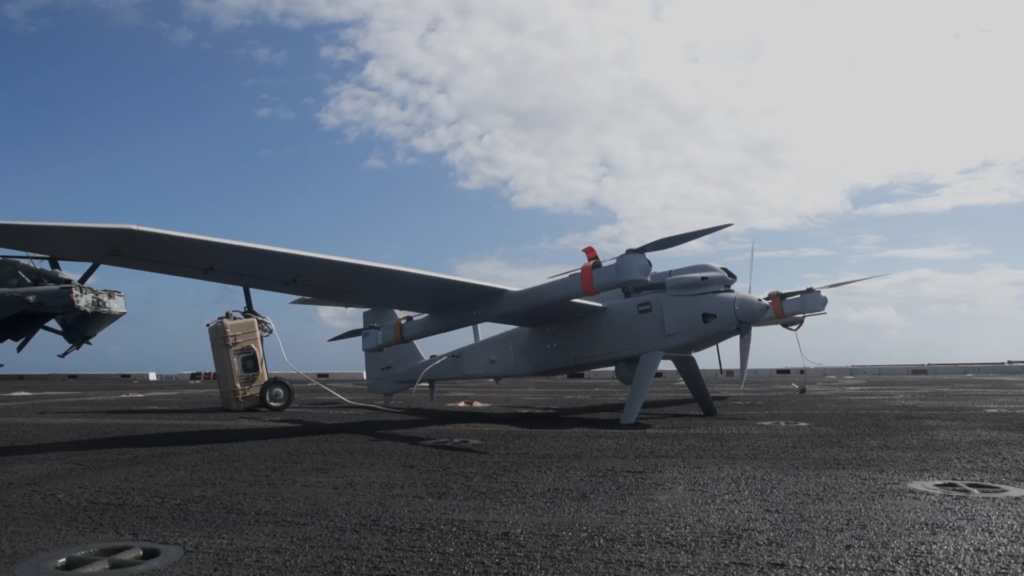
U.S. Southern Command has set up the Southcom Autonomous Warfare Command, which will employ autonomous, semi-autonomous uncrewed platforms and systems. Photo credit: U.S. Department of Defense

Marine Corps Gen. Francis L. Donovan, commander of U.S. Southern Command, directed the establishment of the Southcom Autonomous Warfare Command. 

The new command will support President Donald J. Trump’s National Security Strategy priorities, Secretary of War Pete Hegseth’s National Defense Strategy lines of effort, Southcom imperatives, regional security cooperation and operational dominance. 

“From the seafloor to space and across the cyber domain, we fully intend to leverage the clear superiority of the American defense ecosystem by deploying cutting-edge innovation and working ever closer with our enduring partners in the region to outmatch those who threaten our collective peace and security,” Donovan said. 

Once fully established, the new command will employ autonomous, semiautonomous and unmanned platforms and systems to counter threats and challenges across domains, linking tactical missions to long-term strategic effects. It will also collaborate closely with allies and partners in the region to advance shared goals, such as disrupting and degrading narco-terrorist and cartel networks and responding to life-threatening crises caused by large-scale natural disasters. 

During the lead-up to establishing the autonomous warfare command, Southcom will work with the military services and the War Department’s Defense Autonomous Warfare Group to identify the required expertise and capabilities for the new command to reach full operational capacity and integrate into Southcom’s mission. 

“Our geographic area of responsibility has a wide range of conditions, varied terrain and diverse operational environments that make it an ideal setting in which to innovate. It is also a region with very capable and committed security partners who lean forward, embrace technologies and are very eager to work collaboratively with us to support regional stability in new and effective ways,” Donovan said. 

Earlier this year, the Southcom commander signaled his interest in leveraging emerging technologies in his written posture statement to Congress, telling lawmakers he intended “to capitalize on next-generation capabilities like unmanned platforms, integration and commercial tools to better enable us and our partners to counter … threats together.” 

Outlining his imperatives while speaking to Senate Armed Services Committee members on Capitol Hill last month, Donovan said he aimed to develop and field cost-effective and modernized forces tailored for the Southcom mission, including autonomous systems and human-machine teaming “to greatly increase lethality, all-domain awareness and data-sharing for U.S. and partner forces.”


Coast Guard Offloads Over $53M in Illicit Drugs From the Eastern Pacific & Caribbean

From U.S. Coast Guard District, April 27, 2026

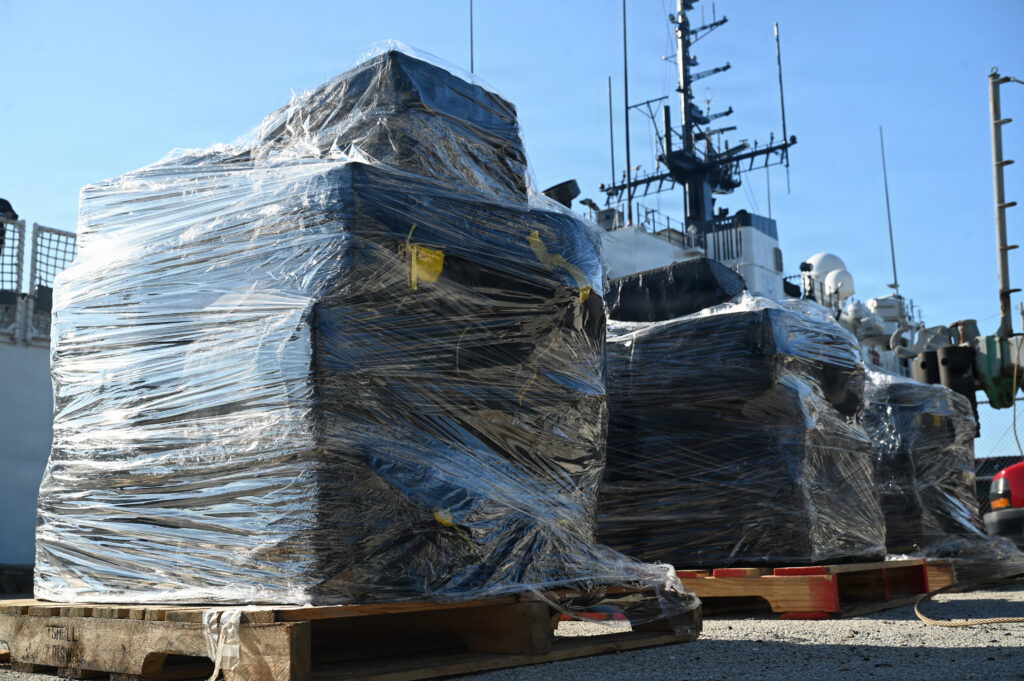
Bales of illegal narcotics are placed on pallets by crew members aboard USCGC Escanaba (907) during a drug offload of 7,050 pounds of cocaine at Port Everglades, Florida, April 27, 2026. The seized contraband was the result of one interdiction in the Caribbean Sea and one interdiction in the Eastern Pacific Ocean worth an estimated $53 million dollars. Photo credit: U.S. Coast Guard | Petty Officer 2rd Class Eric Rodriguez

MIAMI – U.S. Coast Guard Cutter Escanaba’s crew offloaded approximately 7,050 pounds of cocaine worth more than $53 million, Monday, April 27, at Port Everglades.

The seized contraband was the result of one interdiction in the Caribbean Sea and one interdiction in the Eastern Pacific Ocean.

“The crew’s achievements on this patrol reflect the very best of our service—courage, vigilance, and an unshakeable commitment to protecting the American people,” said Cmdr. Nicholas Seniuk, Escanaba’s commanding officer. “Every pound of narcotics kept off our streets represents lives changed, violence prevented, and communities made safer. We couldn’t be prouder of their extraordinary work.”

The following assets and crews were involved in the interdiction operations:

Coast Guard Cutter Escanaba’s offload continues record-setting Coast Guard operations to interdict, seize, and disrupt transshipment of cocaine and other bulk illicit drugs by sea. These drugs fuel and enable cartels and transnational criminal organizations to produce and traffic illegal fentanyl threatening the U.S. This includes the Coast Guard’s seizure of over 511,000 pounds of cocaine in 2025 – over three times the Service’s annual average – as well as accelerated counter-narcotics operations in the Eastern Pacific through Operation Pacific Viper. Since launching this operation in early August, the Coast Guard has seized over 215,000 pounds of cocaine and apprehended 160 suspected narco-traffickers. The Coast Guard’s persistent operations and rapid response have denied criminal organizations billions in illicit revenue and prevented the flow of dangerous drugs into American communities.

Eighty percent of interdictions of U.S.-bound drugs occur at sea. This underscores the importance of maritime interdiction in combatting the flow of illegal narcotics and protecting American communities from this deadly threat. Detecting and interdicting illicit drug traffickers on the high seas involves significant interagency and international coordination. Joint Interagency Task Force South, in Key West, conducts the detection and monitoring of aerial and maritime transit of illegal drugs. Once an interdiction becomes imminent, the law enforcement phase of the operation begins, and control of the operation shifts to the U.S. Coast Guard for the interdiction and apprehension phases. Interdictions in the Caribbean Sea are performed by members of the U.S. Coast Guard under the authority and control of the Coast Guard Southeast District, headquartered in Miami. Interdictions in the Eastern Pacific Ocean are performed by members of the U.S. Coast Guard under the authority and control of the Coast Guard Southwest District, headquartered in Alameda, California.

Coast Guard Cutter Escanaba is a 270-foot medium endurance cutter homeported in Portsmouth, Virginia, under U.S. Coast Guard Atlantic Area Command.