Charles River Analytics Advancing Predictive Maintenance Capabilities for Naval Systems     
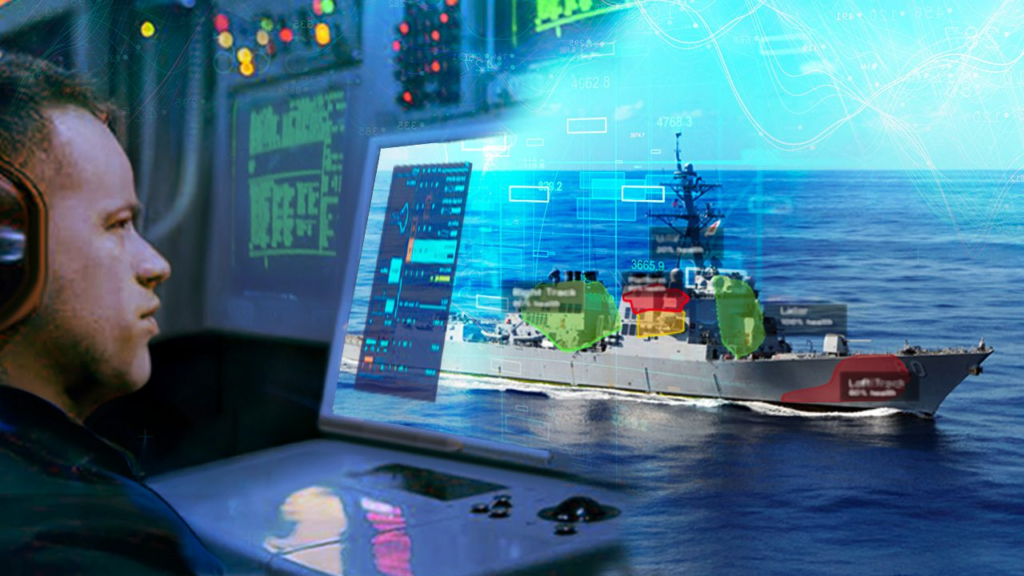
Advanced predictive maintenance and logistics technologies will enable the Navy to transition from reactive to proactive maintenance strategies.

From Charles River Analytics, Jan. 20, 2026 

Charles River Analytics is developing advanced predictive maintenance and logistics technologies for the United States Navy’s ship systems. The technology helps ensure reliability across the entire lifecycle of complex assets, including ships, fleets, and equipment. The work is sponsored by the Naval Sea Systems Command (NAVSEA) and supported through a series of contracts totaling $6.6 million over 8.5 years. The multidisciplinary team is using system modeling, hybrid AI reasoning, and cognitive systems engineering to create software services that predict system performance and proactive maintenance needs.  

Traditional prescriptive maintenance relies on fixing or replacing degraded parts on rigid schedules. This reactive approach can lead to wasted resources, late or premature maintenance, and operational delays. Logistics and timely availability of parts are especially critical for long-duration or hard-to-reach assets, such as ships at sea, where system failures can have severe consequences and teams have small windows of opportunity to complete any necessary repairs.  

“By predicting when failures occur, you can optimize resource and labor allocation by prioritizing the failures or degradations that are most pressing or most impactful for the mission,” says Kenny Lu, Machine Learning Scientist at Charles River Analytics. 

The Navy is shifting toward a more proactive approach that uses data to forecast maintenance needs before catastrophic failure. The Charles River team is supporting this effort by developing software that provides on-platform, real-time prognostics and real-time diagnostics, including actionable insights for operators and maintainers. The solution features a back-end analytics engine that uses a statistical modeling technique called probabilistic programming to forecast failures and assess risk. It is based on a hybrid AI approach that combines domain expertise with available sensor and log data. The system translates complex technical data into clear recommendations through a front-end decision support interface, delivering user-friendly guidance to maintenance personnel in an intuitive format.  

“We’re not framing the information from a system engineering perspective, but from a perspective where maintenance staff can interpret the maintenance picture,” says Mandy Warren, UX Senior Scientist at Charles River Analytics. She adds, “Our end users greatly appreciate that they don’t need the same understanding as the engineer who architected the system; they only need to know what’s relevant and what they need to do in that moment.”  

These predictive analytics technologies enable junior technicians to quickly identify potential problem areas and prioritize maintenance tasks, ultimately allowing the Navy to deploy technical specialists strategically when advanced knowledge is required.  

The team is addressing a fundamental challenge with predictive systems and AI by helping users understand how the system arrives at its conclusions.  

“We’re building the system with the idea of being able to collect performance data over time, to make sure that the output is explainable, and that the provenance of the forecasting is constantly updating, so that the operator knows  that they can trust the predictions of our system,” said Samuel Mahoney, Vice President and Chief Product Officer at Charles River Analytics.  

After more than eight years of development and testing, the system is now transitioning from research to operational use, and a prototype will soon be deployed on a Naval ship. By reducing unnecessary maintenance, the technology frees up the Navy’s resources for mission-critical needs while increasing operational readiness through early failure prediction and prevention.  

Charles River Analytics is also exploring opportunities for its predictive maintenance and logistics technology beyond the Navy to other military and commercial domains, including ground and air autonomy, oil and gas, power grids, and industrial maintenance. The focus is on making complex analytics accessible to non-engineers through improved trust and a user-friendly interface.  

Visit cra.com to learn more about advanced predictive maintenance and logistics and our other human-machine teamingand probabilistic programming capabilities. 

This material is based upon work supported by the Naval Sea Systems Command under Contract No. N00024-25-C-S174 and N00024-25-C-S175. Any opinions, findings and conclusions or recommendations expressed in this material are those of the author(s) and do not necessarily reflect the views of the Naval Sea Systems Command. 
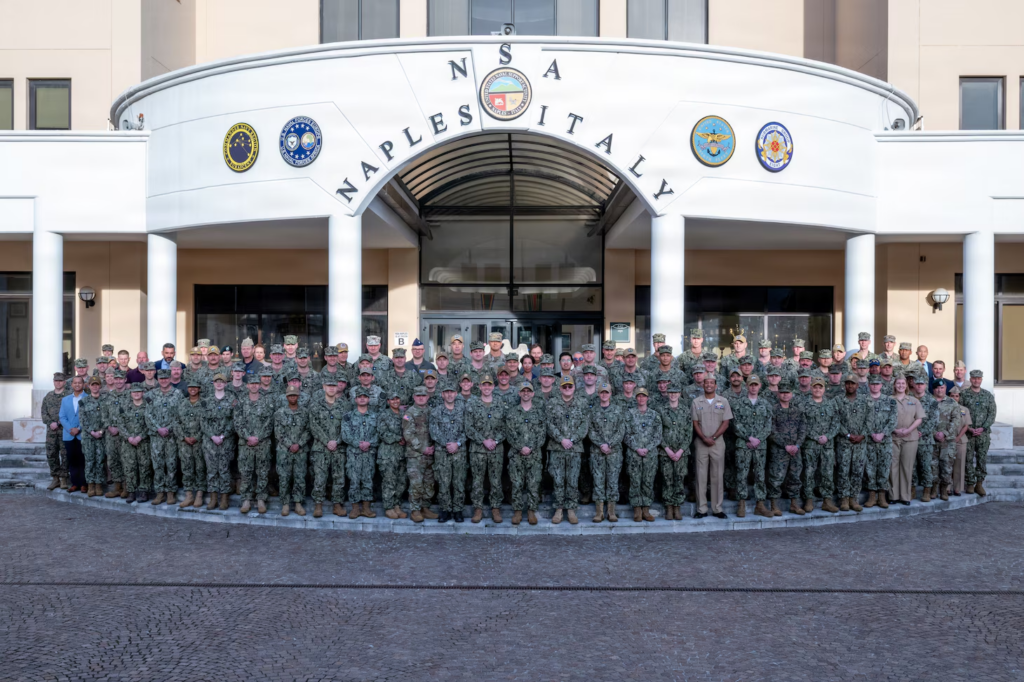


U.S. Maritime Security Cooperation and Attaché Symposium concludes in Naples, Italy 

U.S. service members attending the January 2026 Maritime Security Cooperation and Attaché Symposium gather for a group photo at U.S Naval Support Active Naples, Italy, Jan. 12, 2026. 

By Mass Communication Specialist 2nd Class Caleb Foote, Jan. 21, 2026 

NAPLES, Italy  –  U.S. Naval Forces Europe-Africa (NAVEUR-NAVAF) hosted the U.S. Maritime Security Cooperation and Attaché Symposium (MSCAS), an annual symposium hosting more than 80 U.S. Navy and Marine Corps attachés, Personnel Exchange Program Officers, and U.S. 6th Fleet liaison officers stationed throughout Europe and Africa, from Jan. 12-15, 2026, in Naples, Italy. 

The four-day symposium featured discussions with senior U.S. Navy leadership and naval attachés on the importance of developing relationships with ally and partner nations, advocating for U.S. naval operations and activities in Europe and Africa, and strengthening coordination and collaboration between the naval forces and embassy staff. 

“This is an important forum for our Maritime Security Cooperation and Naval Attaché communities to align with policy objectives, share best practices, and highlight opportunities to enhance collective maritime security in both Africa and Europe,” said Adm. George Wikoff, commander, U.S. Naval Forces Europe-Africa. 

The symposium also featured discussions facilitated by Raymond P. Owens III, director, Navy International Programs Office, Office of the Secretary of the Navy, and Cmdr. Nick Avila, N51 Division Lead; and a Task Force Commander roundtable led by Vice. Adm. J.T. Anderson, commander, U.S. 6th Fleet. 

“In working together, our goal is to try to create an environment where integration, interoperability, and interchangeability can help our, allies and partners,” said Vice Adm. J.T. Anderson, commander, U.S. 6th Fleet. “Testing tactics, techniques and procedures for their own capabilities in conjunction with their neighbors and their allies. I think that’s where we can help sustain something that is an enduring synchronized effort and not just episodic events. “ 

In 1872, Secretary of the Navy George M. Robeson ordered Commander Francis M. Ramsay to report to the U.S. Minister in England, as, “Naval Attaché to his Legation.” This is the first known historical reference to an assignment as a U.S. Naval attaché, according to a 1946 article maintained by the U.S. Naval Institute. 

Generations later, U.S. naval attaché ally and partner collaboration continues. They serve as key military advisors to their ambassadors on all naval matters, act as liaisons between the U.S. Navy and their host nation, collaborate to improve military interoperability between allied and partner naval forces and support U.S. military theater security cooperation and security assistance programs in their respective countries. 

For more than 80 years, NAVEUR-NAVAF has forged strategic relationships with Allies and partners, leveraging a foundation of shared values to preserve security and stability. Headquartered in Naples, Italy, NAVEUR-NAVAF operates U.S. naval forces in the U.S. European Command and U.S. Africa Command areas of responsibility. 


New ATC radar boosts aviator safety 

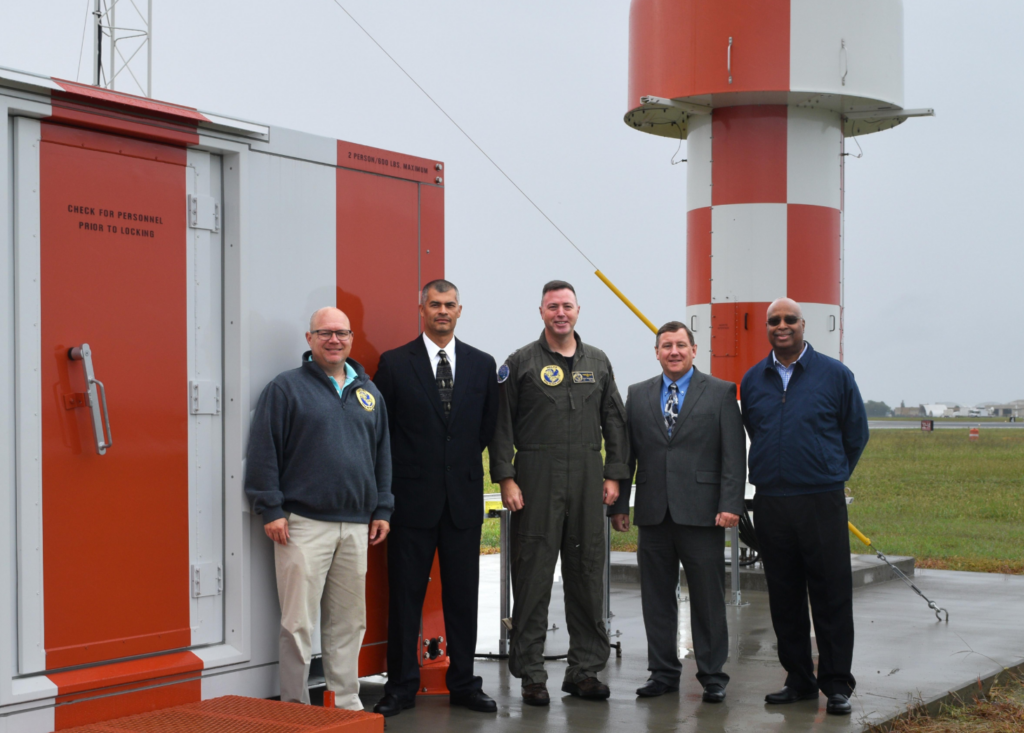
The AN/FPN-68 Precision Approach Radar replacement project, led by the Naval Air Traffic Management Systems Program Office (PMA-213) in collaboration with the Naval Information Warfare Center Pacific (NIWC PAC) team, introduces a cutting-edge system to replace the aging AN/ FPN-63. Pictured in front of the new radar at NAS Patuxent River are representatives from PMA-213 and NIWC PAC. (U.S. Navy) 

From Naval Air Systems Command, Jan 21, 2026 

NAS PATUXENT RIVER, Md. – The new AN/FPN-68 Precision Approach Radar at Naval Air Station Patuxent River is providing critical support to pilots and air traffic controllers, bringing reliable technology that delivers accurate data for safe aircraft landings even in adverse weather.  

The AN/FPN-68 was successfully installed and flight-checked last summer on Pax, marking the 23rd installation of this new radar system at various locations. 

“This system’s advanced precision and digital technology play a significant role in enhancing air traffic control and pilot safety, especially in challenging weather,” said Capt. Walter B. Massenburg Jr., Naval Air Traffic Management Systems Program Office (PMA-213) program manager. 

Massenburg commended the Shore Air Traffic Management Team for their dedication, adding, “Due to their incredible perseverance, this radar performs at a high readiness state and is meeting the fleet’s needs with critical ATC [Air Traffic Control] capabilities.” 

The AN/FPN-68 replaces the aging AN/FPN-63 system, first commissioned in 1978, and brings state-of-the-art capabilities to the fleet. 


Coast Guard Cutter Returns to Florida After Escorting Recently Seized Motor Tanker 

Release From U.S. Coast Guard Southeast District

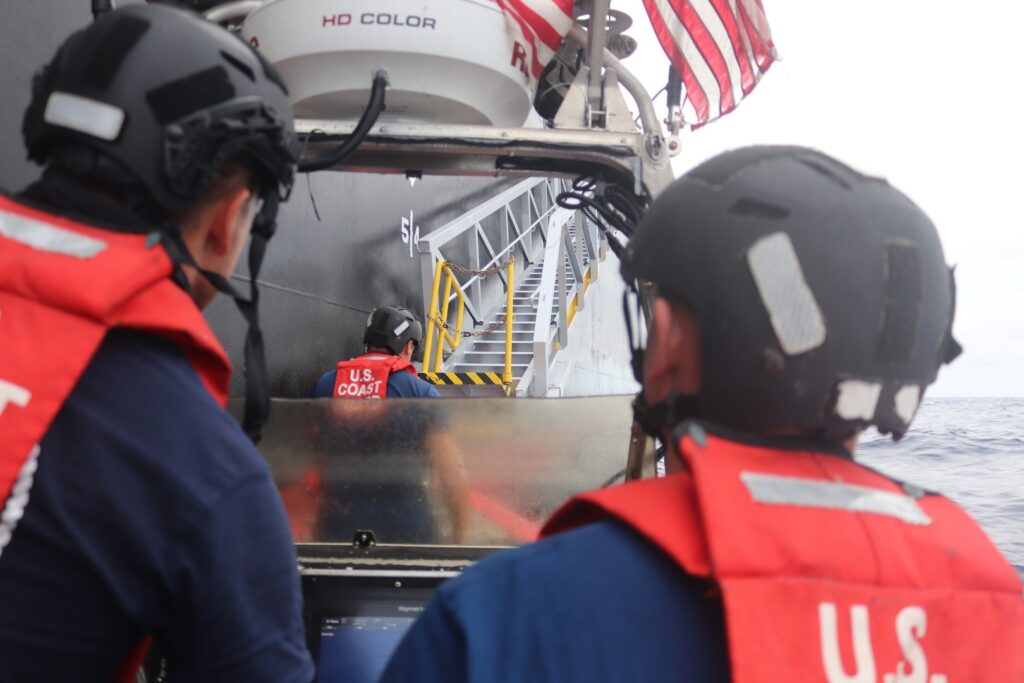
CAPE CANAVERAL, Fla. — The U.S. Coast Guard Cutter Vigilant (WMEC 617) returned to Cape Canaveral on Friday after a 33-day patrol in the Caribbean Sea supporting operations Pacific Viperand Southern Spear. 

During the patrol, Vigilant escorted a motor tanker, which was seizedby a U.S. Coast Guard tactical boarding team with support from the Department of War, for operating as a vessel without nationality in the Caribbean Sea. Vigilant’s crew coordinated with naval and law enforcement partners to transfer personnel and provisions to the tanker. A law enforcement team from Vigilant boarded the vessel to provide security during the 600-nautical-mile transit to the United States. 

Cmdr. Steve Welch, commanding officer of Vigilant, said, “I am proud of the crew’s adaptability and professionalism during this mission of national importance. Their performance ensured the safe execution of the operation in partnership with the Department of War.” 

Unique statutory authorities enable the Coast Guard to enforce international and domestic law in the maritime domain, deploying assets to conduct missions in U.S. waters and on the high seas. The Coast Guard’s involvement in this seizure was conducted under Title 14, U.S. Code and in accordance with customary international law. The Coast Guard exercises these authorities to protect maritime safety, security, and U.S. interests. 


Fairbanks Morse Awards Contract to Welin Lambie for Launch-and-Recovery Davits for Coast Guard

Release From Fairbanks Morse Defense

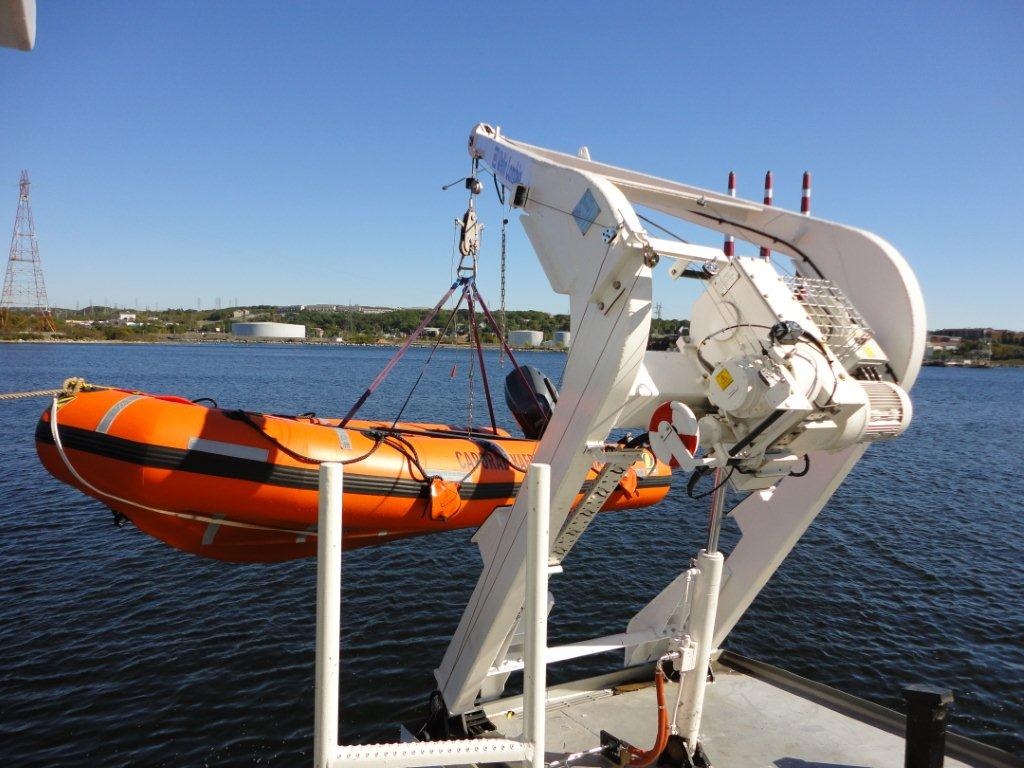
Fairbanks Morse Defense (FMD), today announced that Welin Lambie has been awarded an Indefinite Delivery Contract (IDC) to provide aftermarket support for Welin Lambie davits installed across the U.S. Coast Guard (USCG) fleet. This contract ensures access to OEM-quality parts and support services to ensure fleet readiness and the long-term reliability of critical launch-and-recovery systems. 

The framework contract was signed in July 2025 and includes a base year with four one-year options, extending potential support through 2030. Each option year is pre-priced to provide predictable costs and streamlined procurement, allowing the Coast Guard to rapidly secure OEM parts, technical services, overhauls and new davit systems as operational needs arise. 

“This award highlights our continued commitment to supporting the U.S. Coast Guard with reliable, mission-critical systems that protect crews and enhance operational availability,” said Ben Dunscombe, Managing Director at Welin Lambie. “Our davits are critical to ensuring that Coast Guard vessels can safely launch and recover boats in demanding conditions. This contract strengthens our service footprint and will ensure that the Coast Guard receives the highest level of technical support and aftermarket care.” 

Davit systems are life-critical components on USCG vessels that enable the safe launch and recovery of rescue craft for interdiction, search-and-rescue and maritime security missions. As a long-standing supplier to U.S. naval forces, and with more than 70 davits delivered to USCG, Welin Lambie has established a strong reputation for engineering robust, precision-built davit solutions that ensure safe and dependable launch and recovery operations. 

The contract will also leverage the capabilities of Fairbanks Morse Defense’s Federal Equipment Company (FEC), which have developed specialized expertise in overhauling U.S. Coast Guard davit systems. This integrated approach ensures rapid turnaround, improved lifecycle management and direct access to factory-certified technicians. 


Groundbreaking Held for KONGSBERG’s Missile Manufacturing and Maintenance Facility

Release From Kongsberg Defense and Aerospace Inc. 

Jan. 16, 2026 – Kongsberg Defense and Aerospace, Inc. (‘KONGSBERG’) held a groundbreaking ceremony Friday for its first state-of-the-art US-based missile production facility in James City County, Va.  

Speakers at the event included Kongsberg Defence and Aerospace (Norway) President Eirik Lie, James City County Board of Supervisors Chair Dr. John McGlennon, Virginia Secretary of Transportation Hon. Shep Miller, U.S. Representative Rob Wittman (VA-1) and Norwegian Ambassador to the United States Anniken Huitfeldt.  

This facility, located in Toano, Va, between Richmond and Williamsburg and conveniently near Naval Station Yorktown, will help the company meet global demand for its precision strike missiles.   

“This new KONGSBERG factory will provide additional production capacity, sustainment and in-country tech refresh capabilities for our Naval Strike Missile (NSM) and Joint Strike Missile (JSM) – both highly advanced, fifth generation cruise missiles capable of both maritime strike and land attack,” said Lie.  

The United States Navy awarded KONGSBERG a multi-year procurement contract for NSM in 2024 for the Navy’s Over-the-Horizon weapon weapon system, as well as the Marine Corps’ NMESIS (Navy Marine Expeditionary Ship Interdiction System). The United States Air Force selected the JSM in 2024 for use on the F-35A Joint Strike Fighter.  

“We are proud to invest in defense manufacturing in the United States and excited to onshore our world-class capabilities in James City County, Va. The state of Virginia, including the Virginia Economic Development Partnership and the Hampton Roads Alliance, have been integral in this process and we look forward to growing our presence in the US as we ramp up hiring,” said Heather Armentrout, KDA, Inc. president and general manager.   

The KONGSBERG facility was announced in September 2024 and will create more than 180 jobs in the James City County area. It will inject more than $100 million in economic benefits, as well as create opportunities for local suppliers to support the production and manufacturing of these weapons.  

Preparatory site work has commenced with construction expected to begin by Q2 2026. Missile manufacturing will begin in late 2027, ramping up to full rate production by the end of 2028. 

The NSM has been selected by 14 countries and the JSM by 5 nations, including the US. 


Coast Guard Launches RAPTOR, Hosts Demonstration of Innovative Technology

A graphic representing the U.S. Coast Guard’s new Office of Rapid Response and Prototyping (CG-RAPTOR), launched to accelerate the development and deployment of innovative technology for enhanced maritime operations. CG-RAPTOR supports Force Design 2028, driving rapid solutions to empower Coast Guard personnel and strengthen mission success. (U.S. Coast Guard courtesy graphic) 

Release From U.S. Coast Guard Headquarters

WASHINGTON — The U.S. Coast Guard is proud to announce a bold new era in mission success, unveiling a rapid-response approach that identifies, prototypes and delivers breakthrough technologies to meet urgent operational needs and drives accelerated transition to programs.  The Office of Rapid Response and Prototyping (CG-RAPTOR) is accelerating the “idea-to-operations” cycle, rolling out proven solutions within 30, 60, and 90 days through dynamic collaboration with operators, industry leaders and subject matter experts. 

The standup of CG-RAPTOR comes amid Secretary of Homeland Security Kristi Noem’s push for transformational change to revolutionize how the Coast Guard operates to defeat our adversaries and protect the Homeland.  A key component of the service’s Force Design 2028 initiative, the launch of CG-RAPTOR accelerates innovation and enables the Service to experiment with streamlined business processes and applications prior to making larger enterprise investments. 

In just 150 days, CG-RAPTOR has debuted advanced unmanned systems, innovative personnel management tools, secure communications platforms and real-time readiness tracking – empowering servicemembers with game-changing capabilities.  

With a commitment to delivering impactful technology every 30 days, CG-RAPTOR is launching the Coast Guard into a future defined by agility, integration and operational excellence.  

This Friday in San Diego, CG-RAPTOR will host an exclusive demonstration for Coast Guard personnel and select invitees, showcasing the latest advancements in sensor data and video feed integration across a unified operational picture.  

This event will highlight direct-to-operator tactical situational awareness, supporting emerging priorities such as Southern Border personal watercraft interdiction.  

Attendees will experience firsthand how CG-RAPTOR’s innovative solutions deliver real-time operational insights and enhance mission effectiveness in the field.  

“With Force Design 2028, we are completely changing the game on how the Coast Guard delivers our mission through operational agility, integration and automation,” said Captain Chad Brick, the inaugural chief of CG-RAPTOR.  “CG-RAPTOR feeds on this transformative approach, rapidly driving cutting-edge technology directly into the hands of our operators for a more effective workforce and to protect our nation’s maritime interests.” 

The Coast Guard’s technological modernization comes on the heels of a historic year for the service. In fiscal year 2025, the Coast Guard seized a record-breaking 510,000 pounds of cocaine, thanks in large part to strategic surge operations like Operation Pacific Viper. The Coast Guard also surpassed its recruiting goals, welcoming over 5,200 new active-duty members, the highest annual total since 1991. These successes underscore the importance of investing in an agile, capable, and responsive force to meet evolving global challenges. 

Force Design 2028 is the way the Coast Guard will defeat adversaries, deliver peace through strength, and protect the Homeland both today and for decades to come. The Service will embrace innovation and cutting-edge technology to control the nation’s borders, facilitate commerce to economic prosperity and strategic mobility, and ensure readiness to respond to any crisis or contingency. Force Design 2028 is Coast Guard’s bold roadmap for enduring success.   

As part of Force Design 2028, the Coast Guard continues to foster a culture of innovation from within. Many of the service’s advancements are born from the creative ideas of its own workforce. Coast Guard members are encouraged to submit their ideas and solutions through the CG Ideas@Work platform, a crowdsourcing tool that empowers every member to help shape the future of the service. 

For more information on CG-RAPTOR, please visit the official page here. Additional details on Force Design 2028 can be found here


Tripoli Expeditionary Strike Group operates in 7th Fleet

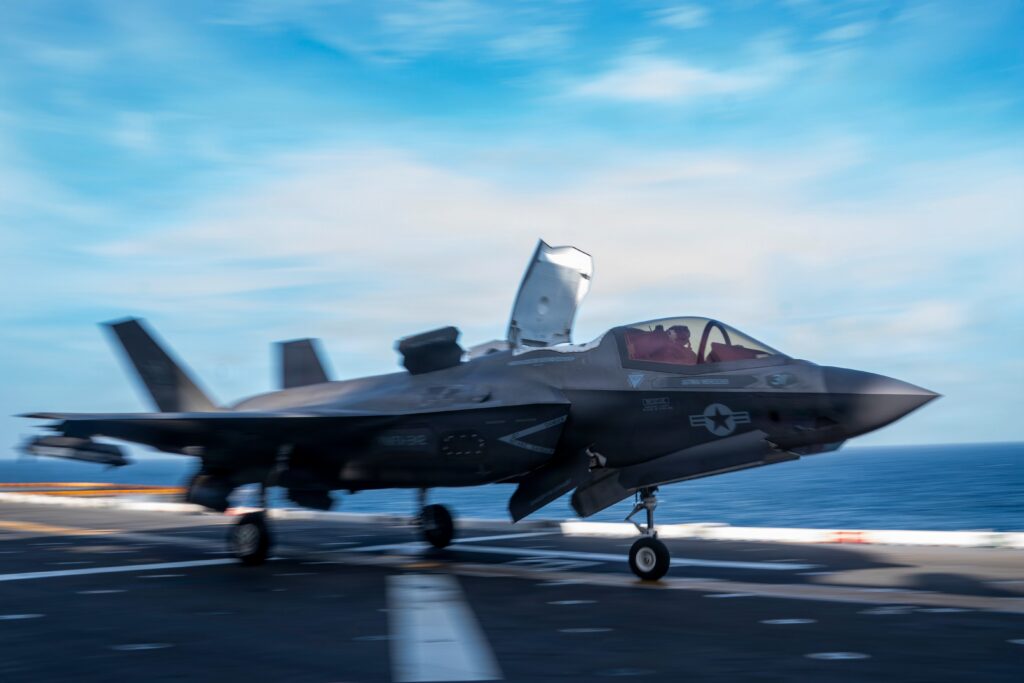
An F-35B Lighting II, attached to Marine Fighter Attack Squadron 242 takes off from the flight deck of America-class amphibious assault ship USS Tripoli (LHA 7) during flight operations in the South China Sea, Dec. 11, 2025. (U.S. Navy photo by Mass Communication Specialist Seaman Angel Conde)

Release From Tripoli Expeditionary Strike Group

U.S. 7th FLEET AREA OF OPERATIONS — The Tripoli Expeditionary Strike Group, composed of the 31st Marine Expeditionary Unit (MEU), America-class amphibious assault ship USS Tripoli (LHA 7), Ticonderoga-class guided-missile cruiser USS Robert Smalls (CG 62) and Arleigh Burke-class guided-missile destroyer USS Rafael Peralta (DDG 115), is conducting routine operations in the U.S. 7th Fleet area of operations, Dec. 11. 

This marks Tripoli’s initial forward-deployed assignment as the flagship for the Tripoli Expeditionary Strike Group. The group’s presence promotes regional stability and maritime security in U.S. 7th Fleet. 

“The Tripoli Expeditionary Strike Group is maintaining peace and security in the Indo-Pacific while assuring access to the seas for all nations,” said Rear Adm. Tom Shultz, commander of the Tripoli Expeditionary Strike Group. “As the only permanently forward-deployed expeditionary strike group, our Navy and Marine Corps team’s ability to operate in the air, on land, and sea, combined with anti-air warfare, anti-submarine warfare and anti-surface warfare capabilities allows us to support any contingency in the region.” 

The 31st MEU brings the ability to conduct a variety of joint, maritime and amphibious multi-domain operations and activities. They are permanently positioned to provide a flexible and combat-capable force to contribute to deterrence, security, crisis response and multi-domain military operations in the Indo-Pacific. 

“The 31st MEU is flexible and responsive. We’re forward deployed and have longstanding, habitual relationships with Amphibious Squadron 11, the Japan Ground Self-Defense Force’s Amphibious Rapid Deployment Brigade and Special Operations Command Pacific,” said Col. Chris Niedziocha, commanding officer of the 31st MEU. “Those relationships, coupled with the unit’s high operational tempo ensure the MEU is always ready to respond to crises and campaign with our allies or fight tonight.” 

Embarked aboard Tripoli is a detachment of F-35B Lightning II aircraft from Marine Fighter Attack Squadron (VMFA) 242, which provides the Tripoli Expeditionary Strike Group more stealth and flexibility than any other aircraft. The Tripoli Expeditionary Strike Group is capable of conducting expeditionary warfare operations with Navy and Marine Corps capabilities to support theater contingencies that range from crisis response to full combat operations. U.S. 7th Fleet, the U.S. Navy’s largest forward-deployed numbered fleet, routinely interacts and operates with allies and partners in preserving a free and open Indo-Pacific region. 


Lunday Sworn In as 28th Commandant of the U.S. Coast Guard 

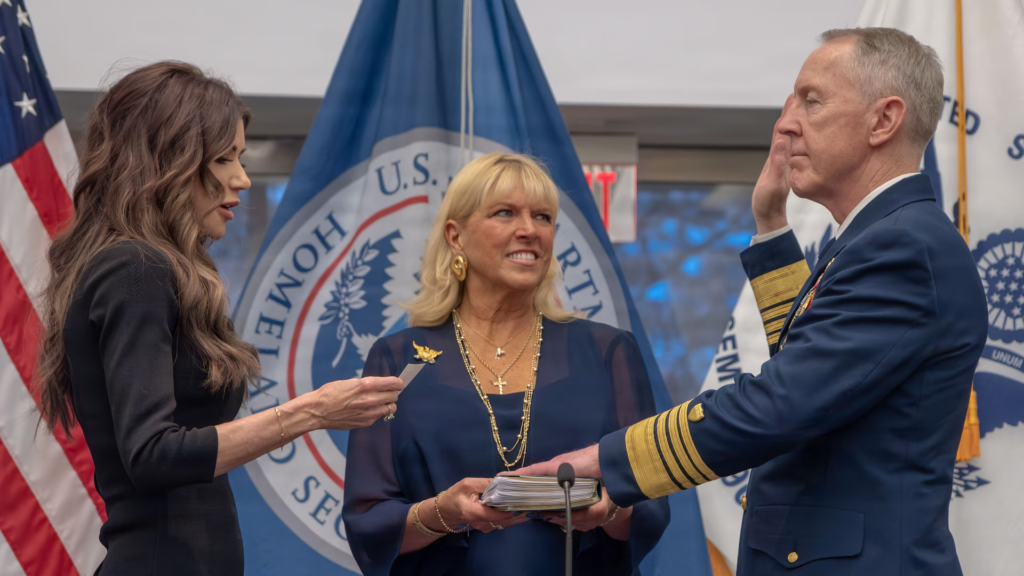
U.S. Coast Guard Adm. Kevin E. Lunday is sworn in as the 28th Coast Guard Commandant by U.S. Department of Homeland Security Secretary Kristi Noem at Coast Guard Headquarters in Washington, D.C. on Jan. 15, 2026. Lunday served as Acting Commandant since Jan. 20, 2025. Before serving as Commandant, Lunday served as the 34th Vice Commandant of the Coast Guard. (U.S. Coast Guard photo by Petty Officer 2nd Class Gabriel Wisdom)

From U.S. Coast Guard Headquarters, Jan. 15, 2026 

WASHINGTON – The United States Coast Guard held a formal swearing-in and assumption of command ceremony Jan. 15 for Adm. Kevin Lunday as the 28th Commandant of the U.S. Coast Guard during an event at Coast Guard Headquarters. 

Secretary Kristi Noem joined senior Coast Guard leadership, members of the Joint Force and distinguished guests in recognizing the transition of command and Adm. Lunday’s commitment to leading the Service. 

“President Trump’s plan was simple when he became President of the United States. He wanted to revitalize the Coast Guard, equip it with the best technology, ships, and aircraft available, and then recruit the men and women that were necessary to run it all. It’s a tall order, and it takes a special kind of leader to lead this team and make that a reality,” said Secretary Noem. ”With almost 40 years in the Coast Guard, and with command experience that has ranged from the Indo-Pacific to the Persian Gulf to cyberspace, Kevin Lunday was the man for the job. Congratulations, Admiral Lunday!”  

Upon taking the oath of office, Adm. Lunday formally assumed the responsibilities of Commandant and reaffirmed the Coast Guard’s enduring role as a vital instrument of national power responsible for controlling, securing, and defending the U.S. border and maritime approaches; facilitating the safe and secure flow of commerce that is vital to economic prosperity, strategic mobility, and America’s maritime dominance; and responding to crises and contingencies that may come without warning. 

“I am honored to assume command of the United States Coast Guard,” said Adm. Kevin Lunday. “Every day, Coast Guard men and women carry out missions that protect our homeland, secure our maritime borders, save lives and protect national security. I am humbled to serve alongside them while ensuring they have what they need to succeed – today and in the future.” 

As Commandant, Adm. Lunday will lead the Service’s continued transformation through Force Design 2028, while strengthening operational readiness and supporting the Coast Guard workforce and their families. 

The Coast Guard remains Always Ready, delivering mission excellence across the maritime domain in service to the American people. 


Navy’s New Mobile Ship Target Arrives in Port Hueneme 

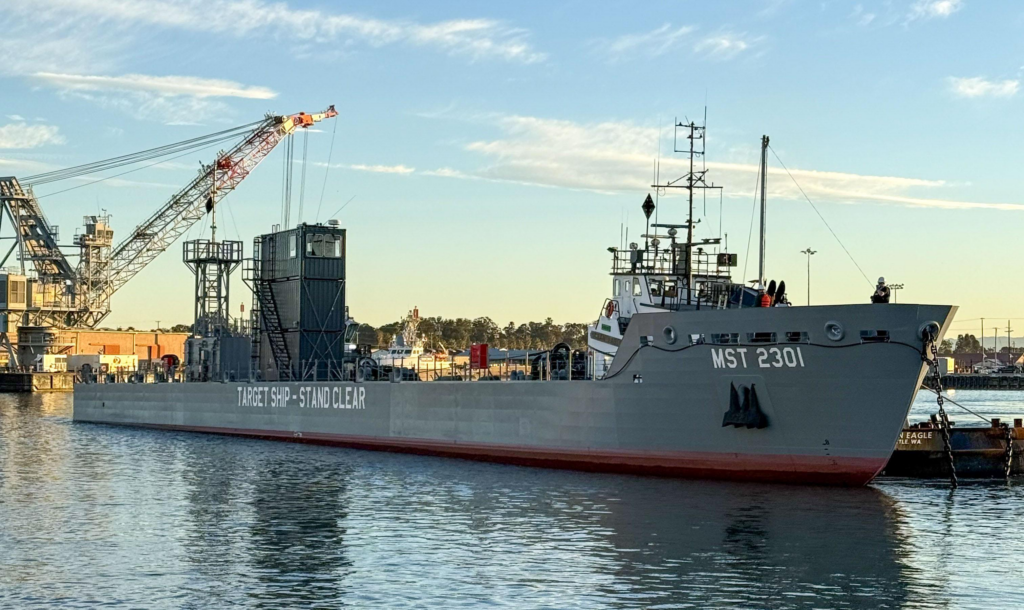
The Navy’s Mobile Ship Target MST 2301, known as MST-2, arrives at Port Hueneme to begin outfitting and preparation for future weapons testing operations. The remotely operated vessel is designed to provide a realistic, reusable surface target for live-fire and sensor testing. (Courtesy photo)

From Naval Air warfare Center Weapons Division, Jan. 14, 2026 

PORT HUENEME, Calif. — The Navy’s newest test ship, the Mobile Ship Target, arrived in Port Hueneme Jan. 14, where Naval Air Warfare Center Weapons Division teams will prepare it for operations supporting advanced weapons testing. 

Gunderson Marine built and launched the 260-foot Mobile Ship Target, known as MST-2 and designated MST 2301, in Portland, Oregon, in July 2025 for builder’s sea trials before delivering it to the Navy. 

At Port Hueneme, NAWCWD teams will outfit MST 2301 for operational use. To enable remote operation, the Threat Target Systems Department’s seaborne engineering team will install a government-developed remote-control system. This capability will allow the vessel to operate safely during live-fire events. 

“Once complete, the MST will give us a safe, repeatable way to run some of the toughest weapons tests the fleet depends on,” said Kevin Gross, director, Threat Target Systems Department. 

Unlike smaller or single-use targets, MST-2 was designed for long-term use. Missions will include sensor and tracking evaluations as well as live-fire events with weapons launched from ships or aircraft. Its size, speed and reconfigurable design make it a flexible platform for testing future naval capabilities. 

MST-2 will replace the Advanced Target Launch System, also known as MST-1 (MST 9301), which is being removed from government ownership after decades of supporting fleet and maritime testing operations. 

“This is about giving Sailors and Marines confidence,” said Rear Adm. Keith Hash, commander, Naval Air Warfare Center Weapons Division. “When they go into harm’s way, they need to trust their systems completely. The MST lets us prove that trust under the most realistic conditions possible.” 

NAWCWD expects MST 2301 to complete outfitting and begin supporting weapons testing in early 2026.