AMPHIBIOUS CONSTRUCTION BATTALION TWO (ACB2) HOLDS DECOMMISSIONING CEREMONY AFTER NEARLY 80 YEARS SERVICE TO THE NAVY AND MARINE CORPS 
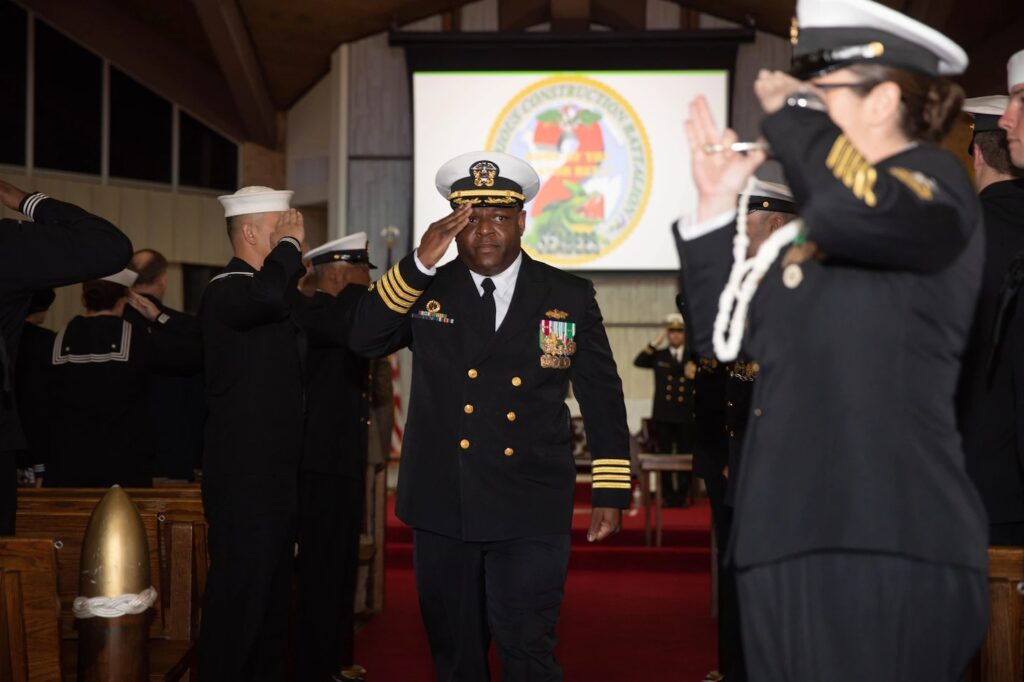
Amphibious Construction Battalion TWO (ACB2) Commanding Officer, Capt. Atiim Senthill, salutes as he passes through sideboys to close out the ACB2 decommissioning ceremony, March 2, 2023.

Release from Expeditionary Strike Group Two Public Affairs

***** 

02 March 2023 

JOINT EXPEDITIONARY BASE LITTLE CREEK-FORT STORY, Va. – On March 2, Amphibious Construction Battalion TWO (ACB2) held a decommissioning ceremony at the Joint Expeditionary Base Little Creek (JEBLC) chapel after nearly 80 years of service to the Navy and Marine Corps team and our nation. 
 
ACB2 Commanding Officer, Capt. Atiim Senthill, presided over a ceremony that included several previous commanding officers, family, prior command members, and the crew, dressed in blues. Established as the 105th Naval Construction Battalion on July 14, 1943 and re-designated ACB2 in 1950, throughout its run the non-kinetic unit allowed combat units to maintain a forward sustained presence through ship-to-shore logistics in support of Maritime Prepositioning Forces as well as Joint Logistics Over the Shore (JLOTS) operations. On July 18, a CNO message ordering its deactivation marked the beginning of the end for ACB2. Operating on a $2.5 million disestablishment budget, within eight months all command assets had to be inventoried and reapportioned across the fleet. It was an emotionally-taxing job that inspired Senthill to praise the hard work of the crew. “These Sailors worked tirelessly and delivered,” he said. “All assets arrived at their destination early and under budget.”  

Despite the look of a final nail being driven into the command’s coffin, the doors at ACB2 will remain open a few more weeks before officially shutting down March 31. Some Sailors will make the trip across country to begin new, yet familiar chapters at ACB1. Other ACB2 Sailors will remain nearby. Wherever they go, they will remain part of a proud heritage. With a history that began in the middle of U.S. involvement in World War II, ACB2 participated in the 1958 Lebanon crisis, the 1983 American citizen rescue in Grenada, Operation Desert Shield and Desert Storm, the TWA Flight 800 disaster recovery, and Operation Iraqi Freedom as well as the 2017 cleanup efforts for Hurricane Maria. This broad scope of missions demonstrates capabilities spanning a wide variety of missions and environments.   

Rear Adm. Dean VanderLey, Commander of Naval Facilities Engineering Systems Command and guest speaker, emphasized this to the ACB2 Sailors in attendance.  “While this has the appearance of a funeral, it should be a celebration of life,” VanderLey said. “You helped accomplish so much and are part of an incredible legacy.”  
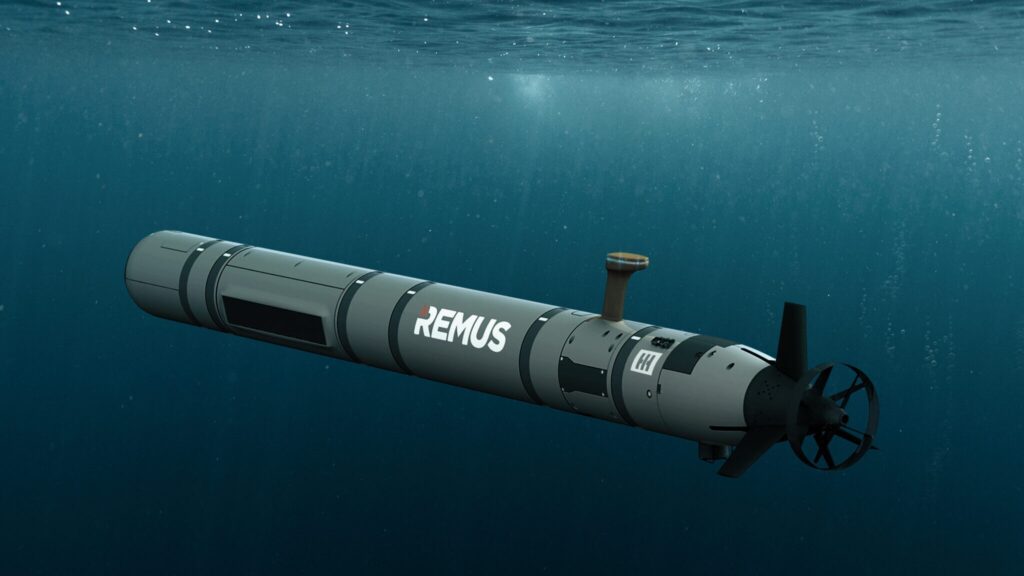


HII AND OCEAN AERO TO PARTNER ON ADVANCED UNMANNED MARITIME CAPABILITIES

***** 

HII and Ocean Aero to Partner on Advanced Unmanned Maritime Capabilities 

MCLEAN, Va. and GULFPORT, Miss., March 02, 2023 (GLOBE NEWSWIRE) — HII (NYSE: HII) and Ocean Aero initiated a strategic agreement to advance the combined capabilities of their respective unmanned maritime platforms and autonomy software solutions. The unmanned solution providers recently commenced multiple, simultaneous efforts to enhance the operational reach and duration of the platforms, collaborative autonomy behaviors, shared sensor fusion and perception capabilities, and accelerated seabed-to-shore data transmission methods. 

“We are pleased to partner with Ocean Aero to further expand the operational capabilities of the U.S. Armed Forces, partner nations and other maritime-focused commercial institutions,” said Duane Fotheringham, president of the Unmanned Systems business group at HII’s Mission Technologies division. “We are excited to combine the best of our individual products to deliver an exceptional suite of solutions to our customers.” 

Kevin Decker, Ocean Aero chief executive officer, added: “This is the perfect time for us to partner with HII. With rising maritime challenges increasing worldwide, we need new capabilities to meet them. Incorporating our two firms’ autonomous vehicle value propositions will unlock new tools for our customers at home and abroad.”   

HII and Ocean Aero are involved in several unmanned maritime systems initiatives and exercises across the globe. Ocean Aero recently completed Digital Horizon, the U.S. Fifth Fleet Maritime Domain Awareness exercise in the Arabian Gulf, where HII’s REMUS vehicles (MK18 Mod 1 and MK18 Mod 2) have been deployed continuously since 2013. The HII-Ocean Aero team is already planning to demonstrate their combined capabilities at an upcoming event in the region, in addition to other planned events and exercises for U.S. and international partners. 

HII is the preeminent unmanned underwater vehicle manufacturer and a pioneer in the UUV industry, continuously producing REMUS vehicles since the early 2000s. HII manufactures a full range of REMUS UUVs, from small to extra-large, with endurance ranging from several hours to months at depths down to 6,000 meters. More than 600 REMUS UUVs have been sold across the globe, with a majority of those still in operational use today. Additionally, HII’s Odyssey autonomy software solution offers scalable autonomy aligned with open architecture standards, including Unmanned Maritime Autonomy Architecture. 

Ocean Aero pioneered the world’s first and only environmentally powered Autonomous Underwater and Surface Vehicle, the TRITON, which collects data both above and below the ocean’s surface and relays it to users from anywhere at any time. Dual modalities allow users to integrate a variety of sensor payloads and communications capabilities, expanding the ocean data collection possibilities and breaking paradigms created by manned platforms. Persistent collections and real-time data transmissions are feeding the most complex models for weather, climate and ocean health and creating transformational change in the maritime space. 


HII Hosts Congressional Delegation and USMC Officers at Ingalls Shipbuilding 

Release from HII 

***** 

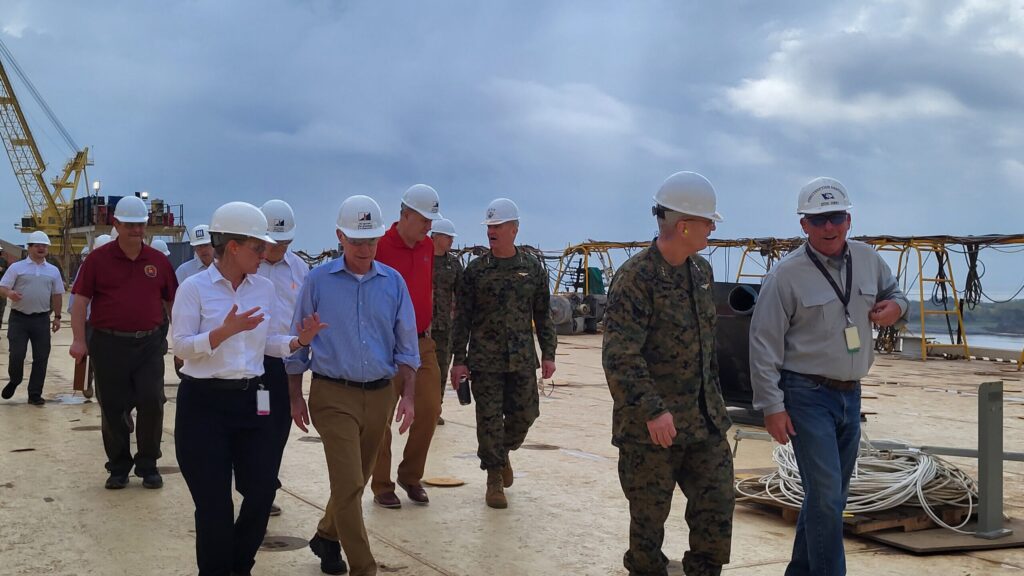
PASCAGOULA, Miss., March 02, 2023 (GLOBE NEWSWIRE) — HII’s (NYSE: HII) Ingalls Shipbuilding division hosted U.S. Reps. Trent Kelly, R-Miss.; Joe Courtney, D-Conn.; and Jerry Carl, R-Ala. who were accompanied by U.S. Marine Corps Lt. Gen. Karsten Heckl and Lt. Gen. Christopher Mahoney today for a meeting with Ingalls Shipbuilding leadership and a shipyard tour visit. 

“It is always a privilege to host members of the House and our Marine Corps partners,” Ingalls Shipbuilding President Kari Wilkinson said. “We make the best decisions and investments as collaborative partners aligned in our understanding of the opportunities to forward our common mission of providing for our service men and women.” 

For 85 years, Ingalls has designed, built and maintained amphibious ships, destroyers, and cutters for the U.S. Navy and the U.S. Coast Guard. During this official visit, the Ingalls Shipbuilding team lead their guests on a shipyard tour including visits aboard amphibious transport dock ship Richard M. McCool Jr. (LPD 29) and large deck amphibious assault ship Bougainville (LHA 8). 

Photos accompanying this release are available at: https://hii.com/news/hii-hosts-congressional-delegation-and-usmc-officers-at-ingalls-shipbuilding/ 

“It’s always great to be back at Ingalls Shipbuilding, and I remain impressed with the talent, dedication and teamwork of Ingalls shipbuilders as they construct the next generation of ships for our Navy and Marine Corps,” Kelly said. “Congress has been clear about the requirement for amphibious warships, including the establishment of a minimum 31 amphibious warships in our Navy fleet in last year’s NDAA. I was especially pleased to visit and see construction progress on both LPD 29 and LHA 8 today, and I look forward to working with my colleagues on HASC to provide for the future of amphibious warships in the FY24 National Defense Authorization Act.” 

“The work being done by Mississippi’s shipbuilders and engineers at the Ingalls shipyard in Pascagoula is absolutely critical to the mission of our U.S. Navy, and the national security of America and its allies,” Courtney said. ”What I saw at the shipyard should inspire confidence in every American focused on the success of our Marine Corps and Navy — this workforce is sharp, highly skilled and has taken full advantage of the investments Congress made into LPD 32 and LHA9 procurement. Our 2023 NDAA authorized full funding for both programs while also providing advance procurement for the next ships in both classes, all in support of the statutory floor for 31 amphibious ships authorized by the Seapower subcommittee. The volume, pace and capability of what is being built at HII’s Pascagoula shipyard is a huge achievement, and I’m grateful to Chairman Kelly for organizing this opportunity for us to see their impressive workforce in action.” 

“It’s an honor to visit and engage industry on how best I can support our Mississippi and Alabama shipbuilders and Marine Corps,” Carl said. “The volume, pace and capability of what is being built at this shipyard is impressive. The workforce should be very proud of building these amphibious ships that are critical to the Navy and Marine Corps who protect our security interests around the globe.” 

Ingalls Shipbuilding is the sole builder of the entire San Antonio class of ships and has delivered 12 San Antonio-class ships to the Navy and has three more under construction, including Richard M. McCool, Harrisburg (LPD 30) the first Flight II LPD, and Pittsburgh (LPD 31). The shipyard is also building large-deck amphibious ships for the Navy and Marine Corps, delivering a total of 15 ships, and the production remains online and efficient with the ongoing construction of Bougainville and Fallujah (LHA 9), which started fabrication in December 2022. 

“It is great to be able to see the level of construction taking place on amphibious ships currently being built at Ingalls,” Mahoney said. “These amphibious ships are crucial to our national security.” 

Heckl echoed the sentiments of Mahoney on the critical need for amphibious ships. “The reality is that the diverse set of missions our amphibs are most likely to execute are very real, occur fairly regularly, and could occur anywhere on the globe,” Heckl said. “The naval force must advocate for a larger Department of the Navy budget. This will enable congressionally authorized multi-ship buys, provide cost savings through industrial base stability, and improve current maintenance and readiness levels.” 

HII recently invested nearly $1 billion in infrastructure, facility and toolsets at Ingalls Shipbuilding enabling shipbuilders to improve product flow and process and efficiency, and enhancing product quality. Ingalls is supported by over 1,200 suppliers across 49 states and is the largest manufacturing employer in Mississippi and a major contributor to the economic growth of Alabama. 


Navy Accepts Delivery of USNS John L. Canley 

Release from Naval Sea Systems Command 

***** 

March 1, 2023 

By Team Ships Public Affairs 

SAN DIEGO – The Navy accepted delivery of USNS John L. Canley (ESB 6), March 1. 

ESB-class ships are highly flexible platforms that support various military operations such as Airborne Mine Counter Measures (AMCM), Special Operations Force (SOF) operations, Crisis Response Sea-basing (e.g., Special Purpose Marine Air Ground Task Force), Intelligence, Surveillance, and Reconnaissance (ISR) and Unmanned Aviation Systems (UAS) operations. The ships are part of the critical access infrastructure that supports the deployment of forces. 

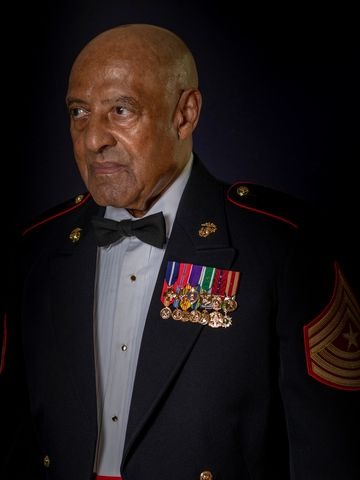
“Today’s delivery highlights the strengths of the Navy and our industry partners, working together to bring ESB 6 and its range of capabilities to the fleet,” said Tim Roberts, Strategic and Theater Sealift program manager, Program Executive Office, Ships. “Sergeant Major Canley nobly served his country, and his namesake ship will help provide the warfighter with capability and access.” 

The ESB ship class has a flight deck with four aviation operating spots capable of supporting MH-53E helicopters; accommodations; workspaces; and ordnance storage for embarked forces, enhanced command, control, communications, computers, and intelligence. These ships also feature a reconfigurable mission deck area to store equipment, including mine sleds and Rigid Hull Inflatable Boats. 

Construction of the future USS Robert E. Simanek (ESB 7) is ongoing at General Dynamics NASSCO shipyard in San Diego. 

As one of the Defense Department’s largest acquisition organizations, Program Executive Office, Ships is responsible for executing the development and procurement of all destroyers, amphibious ships, special mission and support ships, and boats and craft. 


International Maritime Exercise 2023 Kicks Off Operational Phase 

Release from U.S. Naval Forces Central Command Public Affairs 

***** 

02 March 2023 

From U.S. Naval Forces Central Command Public Affairs 

MANAMA, Bahrain – The Middle East region’s largest maritime exercise, International Maritime Exercise (IMX) 2023, kicked off its operational phase March 2 during an opening ceremony at U.S. 5th Fleet’s headquarters in Bahrain.

The ceremony capped a week of academic discussions covering a series of topics including the naval planning process, maritime operations center procedures, and disaster response coordination. 

IMX 2023 is an 18-day naval training event hosted by U.S. Naval Forces Central Command (NAVCENT). This year’s iteration is combined with exercise Cutlass Express, which is led by U.S. Naval Forces Europe-Africa. 

The combined exercises include 7,000 personnel, 35 ships, and 30 unmanned and artificial intelligence systems from more than 50 nations and international organizations. 

IMX and Cutlass Express are designed to demonstrate global resolve in preserving the rules-based international order, offering a unique opportunity for participants to collaborate and showcase regional maritime security cooperation. 

“The incredible level of international representation is truly remarkable,” said Vice Adm. Brad Cooper, commander of NAVCENT, U.S. 5th Fleet and Combined Maritime Forces. “Maritime forces are always at our best when we work and lead together.” 

Cooper is the IMX 2023 exercise commander. Senior officers from United Arab Emirates and France are serving as the deputy commander and vice commander, respectively. Additionally, IMX’s chief of staff is from Pakistan and the maritime operations center director is from Egypt. 

International naval forces participating in the exercise are divided into five operational task forces led by Bahrain, Jordan, Kenya, Saudi Arabia and the United States. Training evolutions will span across the Arabian Gulf, Arabian Sea, Gulf of Oman, Gulf of Aden, Red Sea, Indian Ocean and East African coastal regions. 

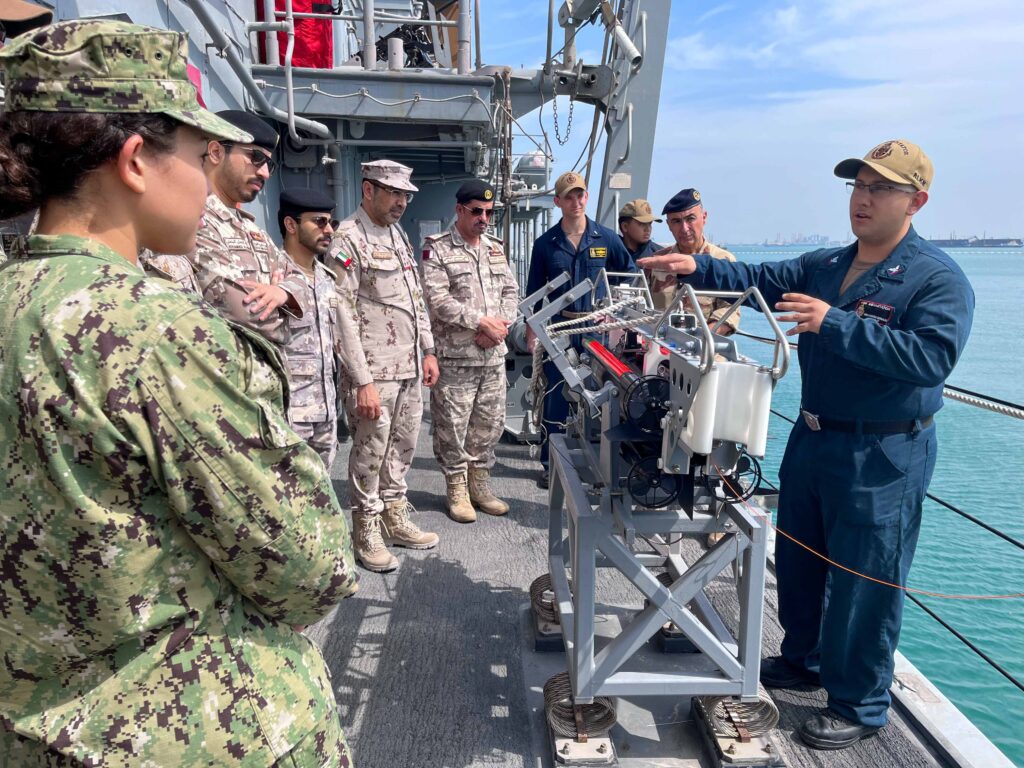
The operational phase will include partner exchanges on mine countermeasures; visit, board, search and seizure; unmanned systems and artificial intelligence integration; explosive ordnance disposal; vessel defense; search and rescue; and mass casualty response, among other focus areas. 

This is the eighth iteration of IMX since its establishment in 2012. 

IMX and Cutlass Express are scheduled to conclude March 16 and 17, respectively. A full list of nations and international organizations participating is available at: https://www.dvidshub.net/feature/IMX23


U.S. Forces Assist UK Seizure of Missiles Shipped from Iran

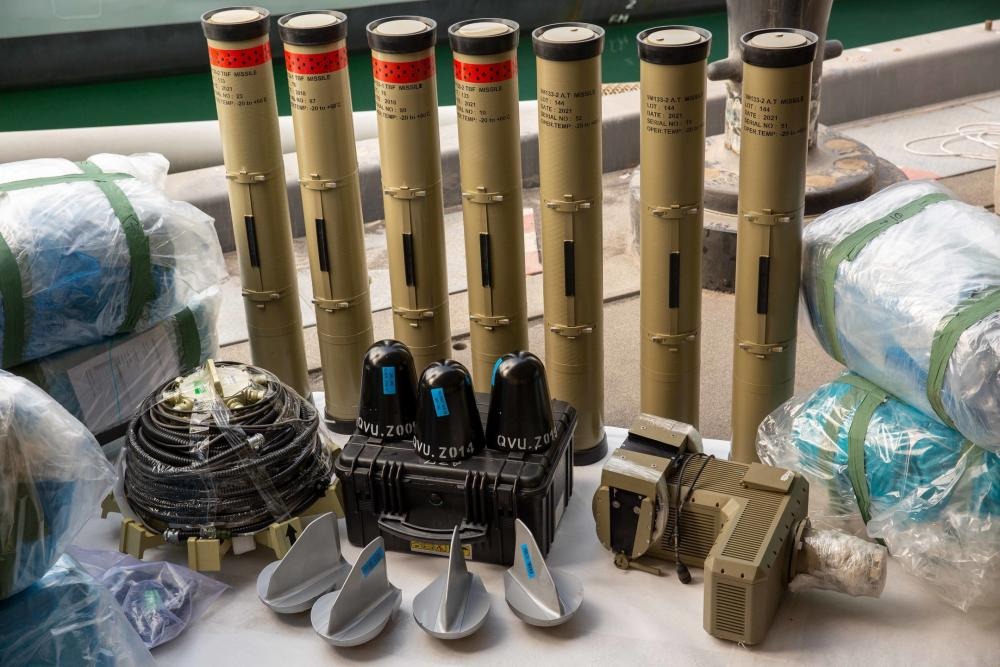
Photo By Sgt. Brandon Murphy | U.S. 5TH FLEET AREA OF OPERATIONS (Feb. 26, 2023) Anti-tank guided missiles and medium-range ballistic missile components seized by the United Kingdom Royal Navy sit pierside during inventory at a military facility in the U.S. 5th Fleet area of operations, Feb. 26, 2023. (U.S. Army photo by Sgt. Brandon Murphy) 

Release from U.S. Naval Forces Central Command Public Affairs 

***** 

MANAMA, Bahrain – U.S. forces provided airborne intelligence, surveillance and reconnaissance support for an interdiction in the Gulf of Oman conducted by the United Kingdom Royal Navy, Feb. 23, that resulted in the discovery of an illegal weapons shipment from Iran. 

Coordinated efforts among U.S. and UK maritime forces led to Royal Navy frigate HMS Lancaster (F229) confiscating anti-tank guided missiles and missile components from a small boat that originated from Iran. UK forces discovered packages that included Iranian versions of Russian 9M133 Kornet anti-tank guided missiles, known in Iran as “Dehlavieh,” and medium-range ballistic missile components. 

“This is the seventh illegal weapon or drug interdiction in the last three months and yet another example of Iran’s increasing malign maritime activity across the region,” said Vice Adm. Brad Cooper, commander of U.S. Naval Forces Central Command, U.S. 5th Fleet and Combined Maritime Forces. “We will continue to work with our partners in pursuing any destabilizing activity that threatens regional maritime security and stability.”  

The interdiction occurred along a route historically used to traffic weapons unlawfully to Yemen. The direct or indirect supply, sale or transfer of weapons to the Houthis in Yemen violates U.N. Security Council Resolution 2216 and international law. 

U.S. and UK naval forces regularly conduct combined maritime security operations to disrupt the flow of illicit cargo in Middle East waters. Last year, U.S. Navy guided-missile destroyer USS Gridley (DDG 101), Royal Navy frigate HMS Montrose (F236) and combined air assets led to Royal Navy forces seizing surface-to-air missiles and land-attack cruise-missile engines. 

In the past three months, seven major interdictions have resulted in U.S. and partner maritime forces seizing more than 5,000 weapons, 1.6 million rounds of ammunition, 7,000 proximity fuses for rockets, 2,100 kilograms of propellant used to launch rocket propelled grenades, 30 anti-tank guided missiles, medium-range ballistic missile components and $80 million worth of illegal drugs. 

U.S. Naval Forces Central Command and United Kingdom Maritime Component Command are headquartered in Manama, Bahrain. 


U.S. Navy Ship Supports UAE Pilot Training in Arabian Gulf 

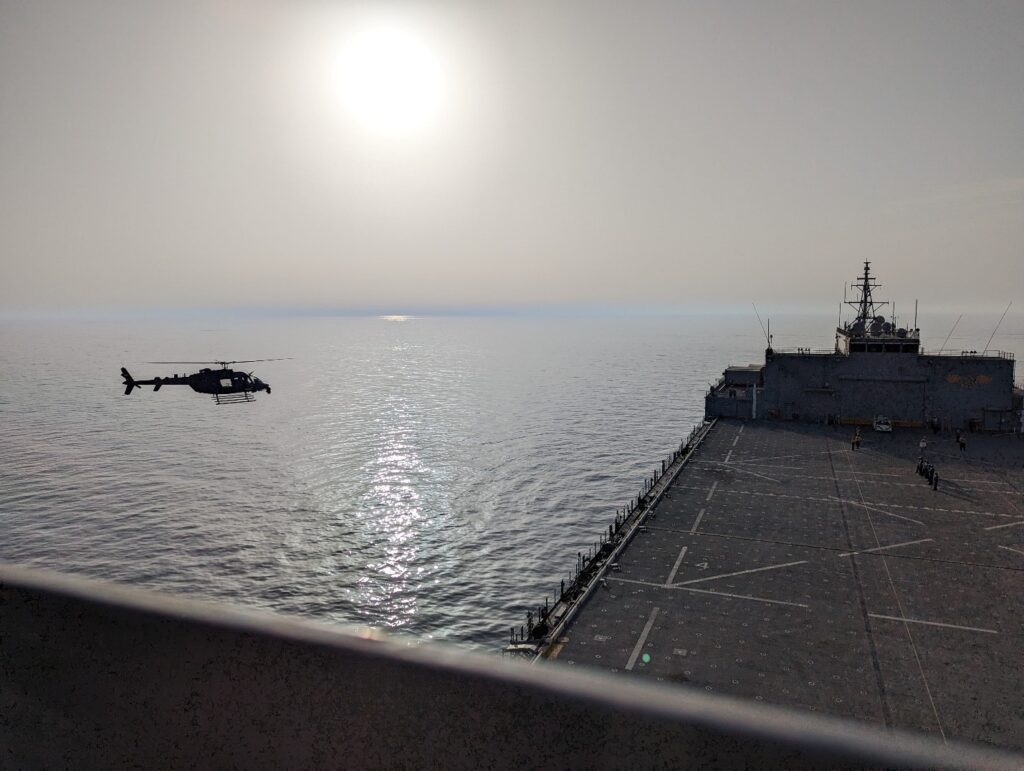
ARABIAN GULF (Feb. 23, 2023) A United Arab Emirates Armed Forces Bell 407 conducts deck landing qualifications aboard expeditionary sea base USS Lewis B. Puller (ESB 3) in the Arabian Gulf, Feb. 23, 2023. Puller is deployed to the U.S. 5th Fleet area of operations to help ensure maritime security and stability in the Middle East region. (Photo by Lt. Cmdr. Jason Clark)

Release from U.S. Naval Forces Central Command Public Affairs

***** 

U.S. Navy Ship Supports UAE Pilot Training in Arabian Gulf 

By U.S. Naval Forces Central Command Public Affairs | February 28, 2023 

MANAMA, Bahrain — 

A U.S. Navy ship served as a training platform for helicopter pilots from the United Arab Emirates Armed Forces, Feb. 22-24. 

Emirati pilots conducted deck landing qualifications aboard U.S. Navy expeditionary sea base USS Lewis B. Puller (ESB 3) as the ship operated in the Arabian Gulf, enhancing interoperability among regional maritime partners. 

“The pilots and aircrew integrated seamlessly with the deck crew of Lewis B. Puller,” said Capt. Jon Bradford, commanding officer of Lewis B. Puller. “It was a great experience for my team and we look forward to working with our Emirati partners in the future.” 

The deck landing qualifications helped 25 Emirati military pilots maintain proficiency in landing on the flight deck of a ship at sea. 

During the three-day training opportunity, UH-60M Black Hawk, Bell 407, AS332 Super Puma, and AH-64D Apache helicopters conducted 158 landings. Emirati personnel also practiced repelling from a fast-rope on Lewis B. Puller’s flight deck. 

Lewis B. Puller is forward-deployed to U.S. 5th Fleet and is capable of supporting a wide variety of missions including counter-piracy, maritime security, disaster relief and crisis response operations. 

The U.S. 5th Fleet operating area includes 21 countries, the Arabian Gulf, Gulf of Oman, Red Sea, parts of the Indian Ocean and three critical choke points at the Strait of Hormuz, Bab al-Mandeb and Suez Canal. 


Hershel “Woody” Williams Delivers Supplies to Türkiye 

Release from U.S. Naval Forces Europe-U.S. Naval Forces Africa 

***** 

01 March 2023 

From Petty Officer 2nd Class Conner Blake 

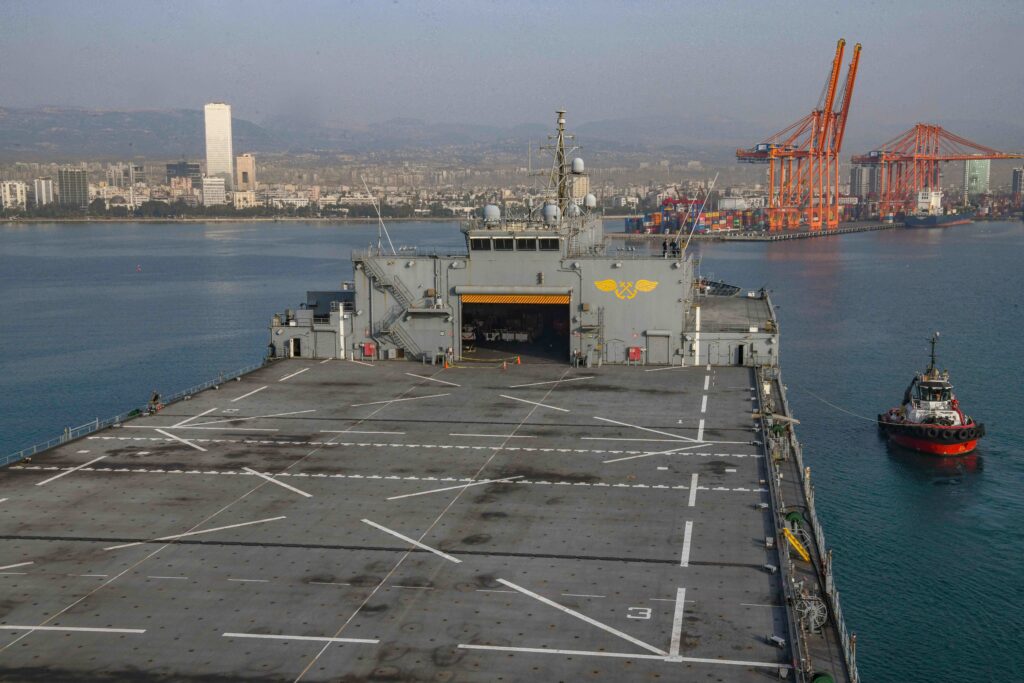
MERSIN, Türkiye – USS Hershel “Woody” Williams (ESB 4) arrived in Mersin, Türkiye, Feb. 28, to deliver disaster relief supplies to Turkish officials for those affected by the Feb. 6 earthquakes. 

The role of U.S. military forces during this disaster relief mission is to rapidly respond to the natural disaster with critically needed capabilities and life-saving equipment, delivering assistance to aid areas the government of Türkiye deems necessary. Hershel “Woody” Williams’ arrival to Mersin demonstrates a continued commitment to successfully completing that mission. 

 
While operating in the U.S. Sixth Fleet area of operations, the Hershel “Woody” Williams’ crew took on over 100 pallets of supplies consisting of hygiene products, clothes, blankets, cots, comfort kits and more. 

 
“To be able to execute this mission really rounds out the mission set the Navy has to offer,” said Lt. Micah Gustafson, Hershel “Woody” Williams Gold military crew (milcrew) supply officer. 

 
After coordinating with Commander, Task Force 63 (CTF-63), the crew was tasked with organizing the pallets so the supplies could be expeditiously delivered to those in need. 

 
“We sorted through and took inventory of the supplies so everything can be delivered as fast as possible to the areas and people who need the aid,” said Petty Officer 1st Class Kyle Son Smith. “This crew is working long hours to execute this mission and we feel honored to have the opportunity to help the people of Türkiye. Everyone has showed a great deal of unity during this mission and I am proud to be a part of it.” 

 
As the crew offloaded the supplies for the Turkish people, Capt. Lenard Mitchell, Hershel “Woody” Williams Gold milcrew commanding officer, said he is proud of the commitment his Sailors have demonstrated while embracing this mission for the greater good. 
“Woody’s warriors always stand ready to answer the call to work with our Allies,” said Mitchell. 

 
Following a 7.8 magnitude earthquake that struck Türkiye on Feb. 6, 2023, U.S. military forces assigned to U.S. European Command are providing humanitarian assistance and disaster relief in support of U.S. Agency for International Development (USAID), the Bureau of Humanitarian Assistance (BHA), and the international community to Turkish people during this tragedy. 

 
Hershel “Woody” Williams is forward-deployed to the U.S. Naval Forces Africa (NAVAF) area of operations, while employed by U.S. Sixth Fleet. The ship is capable of conducting humanitarian and disaster relief operations, as well as supporting a variety of rotary wing aircraft. Hershel “Woody” Williams’ unique capabilities are part of the critical access infrastructure that supports the deployment of forces and supplies to support global missions. 

 
Task Force 63 is headquartered at Naples, Italy. Composed of oilers, provision ships, and repair ships, its mission is the delivery of supplies at sea, and effecting repairs to other ships and equipment of the Fleet. Commander, Task Force 63 (CTF-63) is the operational commander of all the U.S. 6th Fleet air and sea logistics. 

 
Task Force 61/2, under operational control of U.S. Naval Forces Europe and U.S. Sixth Fleet, is responding to the deadly 7.8 and 7.6 magnitude earthquakes that devastated Türkiye on Feb. 6. Hours after the earthquake, U.S. Marines and Sailors established a forward crisis response operations center at Incirlik Air Base, Türkiye, in close coordination with U.S. interagency partners and Turkish officials. 

 
For over 80 years, U.S. Naval Forces Europe-U.S. Naval Forces Africa (NAVEUR-NAVAF) has forged strategic relationships with our Allies and Partners, leveraging a foundation of shared values to preserve security and stability. 

 
Headquartered in Naples, Italy, NAVEUR-NAVAF operates U.S. naval forces in the U.S. European Command (USEUCOM) and U.S. Africa Command (USAFRICOM) areas of responsibility. U.S. Sixth Fleet is permanently assigned to NAVEUR-NAVAF, and employs maritime forces through the full spectrum of joint and naval operations. 


Navy delivers first pilot trainer to deployed carrier airborne early warning squadron 

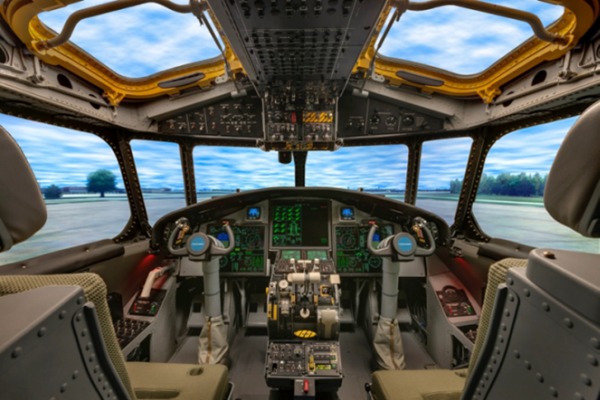
The Naval Aviation Training Systems and Ranges program office (PMA-205) recently delivered the first Aircrew Procedures Trainer (APT) device to Carrier Airborne Early Warning Squadron (VAW) 125 at Marine Corp Air Station (MCAS) Iwakuni, Japan. Pictured is a cockpit view of an APT device. (U.S. Navy Photo)  

Release from Naval Air Systems Command

***** 

Navy delivers first pilot trainer to deployed carrier airborne early warning squadron 

Published: Feb 28, 2023 

NAVAL AIR SYSTEMS COMMAND, PATUXENT RIVER, Md. — 

The Naval Aviation Training Systems and Ranges program office (PMA-205) recently delivered the first Aircrew Procedures Trainer (APT) device to Carrier Airborne Early Warning Squadron (VAW) 125 at Marine Corps Air Station (MCAS) Iwakuni, Japan.   

This delivery is the first pilot trainer that will be embedded with a forward deployed unit within the VAW community, completing the Navy’s planned platform training system deliveries for deployed aircrew.   

“The delivery of this training device to VAW-125 will revolutionize the way Navy forward-deployed forces train and enable them to win the high-end fight,” said Capt. Kevin McGee, PMA-205 program manager. “The team put in significant effort to deliver this capability and ensure our forward-deployed forces are well equipped to maintain and improve their skills, even when deployed.”  

The APT device provides deployed pilots realistic, high-fidelity simulator training in basic flight operations, navigation, emergency procedures, crew resource management, tactics, instrument procedures, carrier familiarization, and other capabilities. Training time in the simulator minimizes risk by providing a safe environment in which pilots can both practice for muscle memory and learn new skills that can be applied in an operational environment.  

The program office originally procured a trainer for Norfolk, Virginia. One month after contract award, Airborne Command and Control and Logistics Wing signed and approved a requirement for a new device to be delivered to MCAS Iwakuni, Japan. Recognizing the urgent need, the Naval Air Warfare Center Training Systems Division team, along with industry partners, developed a creative solution to quickly meet both this new requirement and the current needs of the Fleet. Within two months of the announcement, the PMA-205 E-2 training systems team negotiated the new delivery location.     

“As with many contracting actions, there were complications and challenges that had to be overcome for this device to be delivered, but with strong partnerships among all stakeholders this new high-fidelity trainer will help maintain the highest standards of readiness to meet Carrier Air Wing goals,” said Dave Adams, PMA-205 E-2 training systems team lead.  

About PMA-205  

PMA-205 provides full life-cycle acquisition of naval aviation training platforms, general training systems, training range instrumentation systems, and distributed mission training centers to provide U.S. Navy and Marine Corps pilots, naval flight officers, aircrew, and maintainers with the training equipment required to provide lethal capability and operational readiness.


SECNAV Renames Ticonderoga-class Guided Missile Cruiser USS Chancellorsville after Robert Smalls 

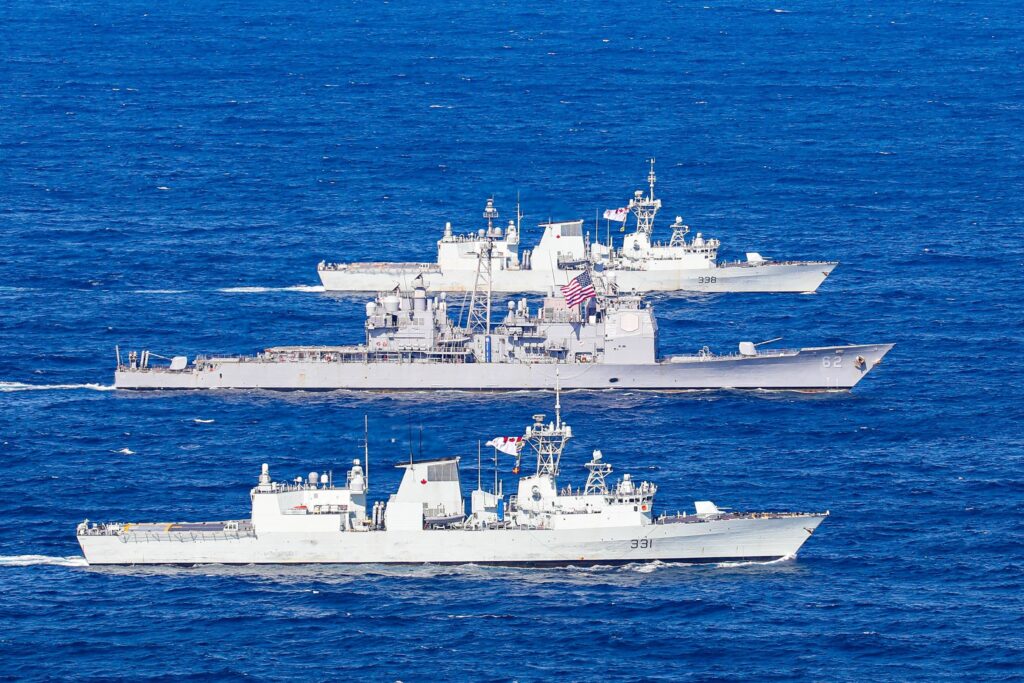
PHILIPPINE SEA (Oct. 30, 2022) The Ticonderoga-class guided-missile cruiser USS Chancellorsville (CG 62) sails alongside Royal Canadian Navy ships HMCS Vancouver (FFH 331) and HMCS Winnipeg (FFH 338) in the Philippine Sea. Chancellorsville is forward-deployed to the U.S. 7th Fleet in support of security and stability in the Indo-Pacific and is assigned to Commander, Task Force 70, a combat-ready force that protects and defends the collective maritime interest of its allies and partners in the region. (U.S. Navy photo by Mass Communication Specialist 2nd Class Justin Stack)

Release from the Secretary of the Navy Public Affairs

***** 

27 February 2023 

WASHINGTON –Secretary of the Navy (SECNAV) Carlos Del Toro announced today that the Ticonderoga-class guided missile cruiser formerly named USS Chancellorsville (CG 62) will be renamed USS Robert Smalls (CG 62). 

This renaming honors Robert Smalls, a skilled sailor and statesman born into slavery in South Carolina.   

The decision arrived after a congressionally mandated Naming Commission outlined several military assets across all branches of service that required renaming due to confederate ties. In September 2022, Secretary of Defense Lloyd Austin accepted all recommendations from the naming commission and gave each service until the end of 2023 to rename their assets.   

“I am proud to rename CG 62 after Robert Smalls. He was an extraordinary American and I had the pleasure of learning more about him last year when I visited his home in South Carolina,” said Del Toro. “The renaming of these assets is not about rewriting history, but to remove the focus on the parts of our history that don’t align with the tenets of this country, and instead allows us to highlight the events and people in history who may have been overlooked. Robert Smalls is a man who deserves a namesake ship and with this renaming, his story will continue to be retold and highlighted.” 

Robert Smalls (1839-1915) was born into slavery in South Carolina. He became a skilled sailor and was an expert navigator of southern coasts. Smalls was conscripted in 1862 to serve as pilot of the Confederate steamer Planter at Charleston. On 13 May 1862, he executed a daring escape out of the heavily fortified Charleston harbor with his family, other enslaved people, and valuable military cargo onboard, and successfully surrendered Planter to the U.S. Navy. Smalls continued as pilot of the ship, but also piloted ironclad Keokuk and other vessels. He ultimately became captain of Planter. An ardent advocate for African Americans, Smalls led one of the first boycotts of segregated public transportation in 1864. This movement led to the city of Philadelphia integrating streetcars in 1867. After the Civil War, Smalls was appointed a brigadier general of the South Carolina militia, and from 1868 to 1874 he served in the South Carolina legislature. In 1874, he was elected to the U.S. House of Representatives and served for five terms, advocating for greater integration. After his time in Congress, Smalls was twice appointed collector of the Port of Beaufort, South Carolina.  He died at Beaufort in 1915.  

The logistical aspects associated with renaming the ship will begin henceforth and will continue until completion with minimal impact on operations and the crew. CG-62 was commissioned in 1989 and named USS Chancellorsville (CG 62) to honor the Battle of Chancellorsville, a Confederate victory during the Civil War. CG-62 is currently assigned to Carrier Strike Group Five and is forward-deployed to Yokosuka, Japan.