MARTAC T38 Unmanned Surface Vessel Executes 192-Hour Autonomous Mission 400 Nautical Miles Offshore   
Demonstration Sets New Benchmark for Persistent USV Operations,Directly Supporting Evolving U.S. Government Concepts for Maritime Defense and Deterrence  

From Maritime Tactical Systems Inc. 

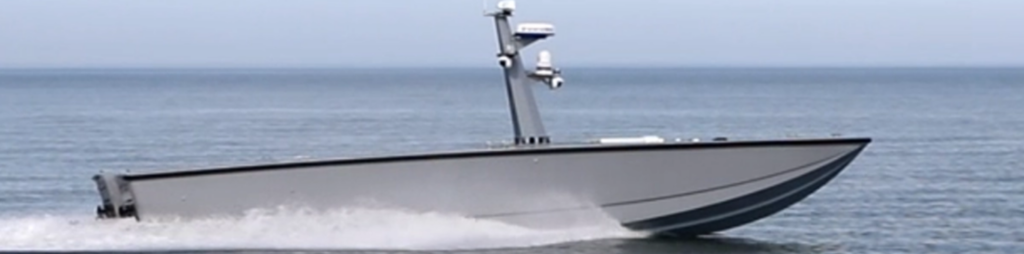
Melbourne, Florida, May 5, 2026 — Maritime Tactical Systems, Inc. (MARTAC) announced today that its T38 Devil Ray unmanned surface vessel (USV) has completed a record-setting 8-day, completely autonomous mission off the coast of California, demonstrating a level of endurance, reliability and operational control not previously achieved in its class.  

The USV, owned and operated by Naval Air Warfare Center Weapons Division’s (NAWCWD) Point Mugu Sea Range through its Future Capabilities Office’s Blue Water Instrumentation (BWI), successfully demonstrated extended autonomous operations in open-ocean conditions. This is critical to BWI’s goal of advancing the Navy’s ability to conduct test and evaluation programs in challenging maritime environments where traditional, fixed position instrumentation is unavailable.  

The demonstration highlighted the T38’s ability to operate autonomously for extended periods, maintain station in dynamic sea states, and support a range of mission profiles.   

Unique from scripted government sponsored events, no chase boats or escorts were involved in the operation that mirrored real-world operational requirements. The T38 safely navigated around multiple static and mobile contacts during the underway period, further demonstrating that its autonomy stack is compliant with the International Regulations for Preventing Collisions at Sea 1972 (COLREG).  

The mission emphasized persistence over speed, with the vessel averaging just over 4 knots per hour, validating its role as a long-endurance, forward-deployed asset capable of sustained presence rather than short-duration sprint operations. In short intervals where burst speed was required, the vessel demonstrated its trademark capability of 50+ knots per hour.  

A defining element of the mission was a deliberate two-day alternating single-engine operational period conducted approximately 400 nautical miles offshore. This was not a failure scenario; it was an intentional maneuver to extend loiter time and evaluate endurance under reduced propulsion conditions. During this period, the T38 autonomously maintained its designated station, continued data collection, and executed mission objectives without degradation, reinforcing the platform’s efficiency, control logic and mission flexibility.  

Sea conditions averaged Sea State 3, a slight sea condition with wave heights between 1.5 to 4 feet, with the vessel experiencing conditions up to Sea State 5 and wave heights reaching 10 feet, further stressing the platform across propulsion, autonomy and hull performance envelopes.  

Critically, performance in these conditions underscored the inherent stability advantages of the T38’s catamaran hull design. The twin engine, twin-hull configuration provides a wide beam and reduced roll, enabling the platform to remain steady in higher sea states. This stability directly translates to improved mission effectiveness, whether collecting high-fidelity sensor data, maintaining precise station-keeping or supporting targeting and firing solutions where platform stability is essential.  

The mission also validated extended range performance, confirming that the T38, when operating at 100% fuel capacity, is capable of exceeding 2,400 nautical miles of operational range under endurance-focused profiles.  

“This mission was designed to test more than endurance, it validated how the system performs when pushed into extended, efficiency-driven operations at distance,” said Karl Van Deusen, Senior Vice President for Federal and Government Sales. “Intentional single-engine operations at 400 nautical miles offshore, combined with continuous autonomy over eight days, demonstrate a level of operational control and flexibility that is directly aligned with real-world mission demands.”  

This milestone event establishes a new benchmark for persistent unmanned maritime operations, particularly in scenarios requiring extended loiter, distributed presence and reduced logistics dependency. The ability to sustain operations for over a week, and to intentionally modulate propulsion to extend mission duration, directly supports the emerging need for solutions in contested and remote maritime environments.  

The carbon fiber T38 Devil Ray, a 38-foot autonomous surface vessel, is designed for intelligence, surveillance and reconnaissance (ISR), maritime domain awareness, logistics support and distributed fleet operations. Built on MARTAC’s open-architecture autonomy framework, the platform supports modular payloads and resilient communications, enabling mission execution in denied or degraded conditions.  


USS Wichita Returns to Naval Station Mayport 

May 5, 2026 

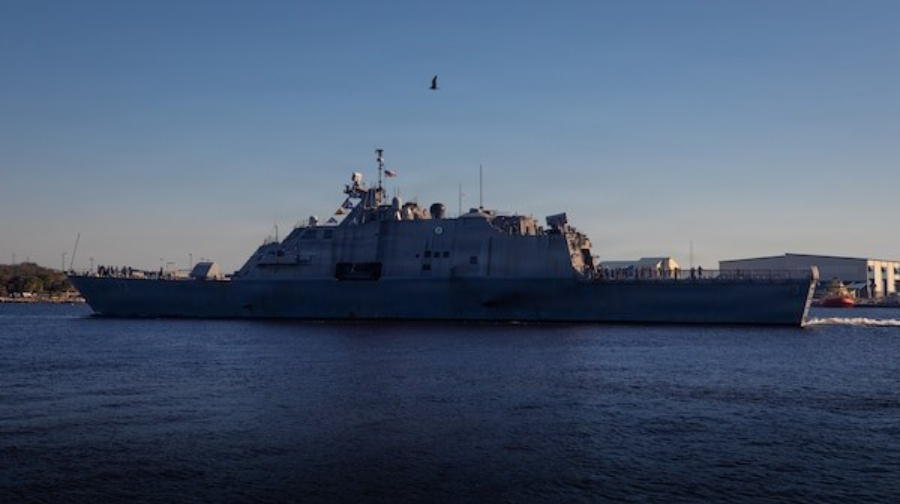
MAYPORT, Fla. – The Freedom-variant littoral combat ship USS Wichita (LCS 13), operating under U.S. Northern Command (USNORTHCOM) in the Gulf of America, returned to Naval Station Mayport after completing a six-month deployment on May 4, 2026. 

Wichita assumed duties previously executed by the Freedom-variant littoral combat ship USS St. Louis (LCS 19) in support of USNORTHCOM’s border security objectives. 

“The crew of Wichita is grateful for the opportunity to support and defend the homeland,” stated Cmdr. Travis Snover, Wichita’s commanding officer. “During the deployment we demonstrated the U.S. commitment to international cooperation and supporting regional security and prosperity. Our officers and Sailors onboard welcomed every opportunity to collaborate with our partners, strengthening our interoperability and shared goals in the area.” 

In support of USNORTHCOM’s mission to restore territorial integrity at the U.S. southern border, Wichita reinforced the nation’s commitment to border security by enhancing maritime efforts and supporting interagency collaboration. The ship’s deployment highlights the Department of War and Navy’s dedication to national security priorities, contributing to a coordinated and robust response to combating maritime-related terrorism, weapons proliferation, transnational crime, piracy, environmental destruction, and illegal seaborne immigration. 

Wichita brought maritime capabilities in response to Presidential executive orders and a national emergency declaration and clarification of the military’s role in protecting the territorial integrity of the United States. 

Wichita is assigned to Littoral Combat Ship Squadron (LCSRON) 2 and homeported in Mayport, Fla. The Littoral Combat Ship (LCS) is a fast, agile, mission-focused warship designed to operate in near-shore environments to counter 21st-century threats. It is a class of small surface combatants armed with capabilities to defeat challenges in the world’s littorals. LCS can operate independently or in high-threat scenarios as part of a networked battle force that includes larger, multi-mission surface combatants such as cruisers and destroyers. 

U.S. 2nd Fleet, reestablished in 2018 in response to the changing global security environment, develops and employs maritime ready forces to fight across multiple domains in the Atlantic and Arctic in order to ensure access, deter aggression and defend U.S., allied, and partner interests.


Austal USA Starts Construction on Fifth Navy Utility Landing Craft 

From Austal USA, May 4, 2026 

MOBILE, Ala. – Austal USA celebrated the start of construction on its fifth U.S. Navy Landing Craft Utility (LCU) 1700-class vessel, LCU 1714, at its Mobile, Ala. ship manufacturing facility on April 27, 2026.  

This progress highlights continued momentum for the LCU program, a key component of the U.S. Navy and U.S. Marine Corps’ expeditionary capabilities. Austal USA was awarded a $91.5 million contract in September 2023 for the design and construction of up to 12 LCUs and associated support efforts. Currently, five construction contracts have been awarded to Austal USA. 

“Austal USA is proud to continue advancing the LCU program with the start of construction on LCU 1714,” said Bill Bingle, acting vice president of surface ship programs. “This milestone reflects the strength of our serial production approach and the dedication of our workforce to delivering high-quality ships that support critical Navy and Marine Corps missions.” 

LCU vessels are deployed from the Navy’s amphibious assault ships and operate across a wide range of missions, transporting Marine Corps vehicles, equipment and personnel from ship to shore and back. These platforms provide significant heavy-lift capability, carrying payloads comparable to multiple C-17 aircraft. 

LCU 1710, the first vessel in the program constructed at Austal USA, recently conducted acceptance trials and will be delivered to the Navy soon. The program continues to scale as part of Austal USA’s growing steel shipbuilding portfolio. 

The LCU program is one of three ship platforms under serial production at Austal USA. In total, 12 ships are under construction across the company’s programs with three vessels preparing for sea trials. This demonstrates the company’s ability to execute multiple programs simultaneously while maintaining production efficiency. 

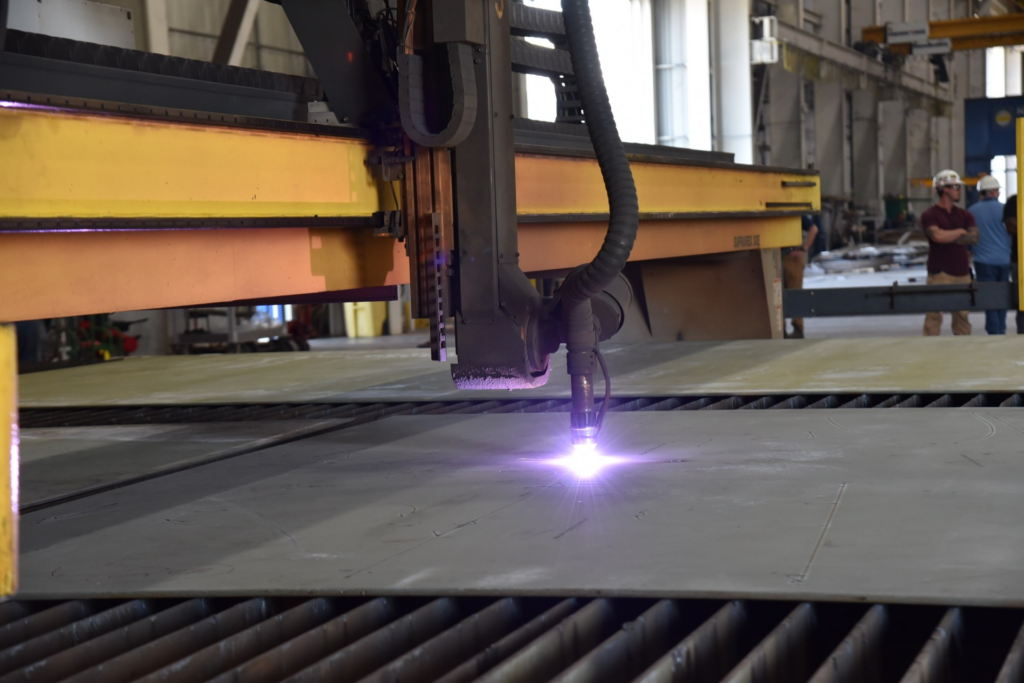
Austal USA continues to leverage its advanced manufacturing facilities, uniquely supporting both aluminum and steel shipbuilding, along with lean production techniques to meet the Navy’s evolving fleet requirements and deliver ships on schedule.


Argentine and U.S. Navies Conduct Bilateral Maritime Engagement in Atlantic Ocean 

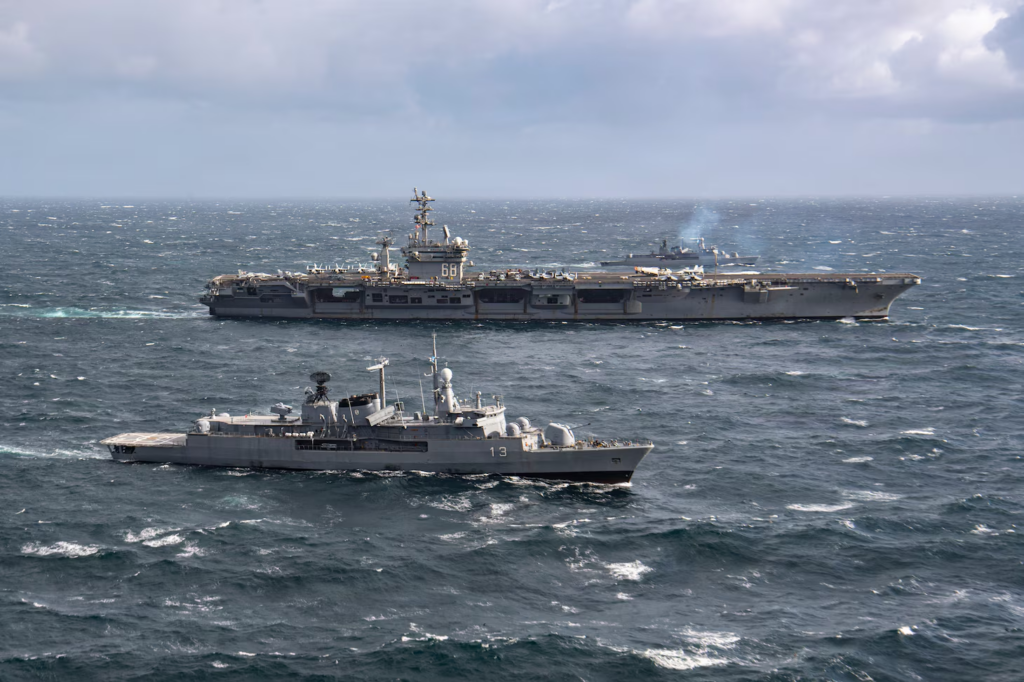
Argentine Navy Almirante Brown-class destroyers ARA La Argentina (DD 11) and ARA Sarandi (D 13) steam alongside U.S. Navy Nimitz-class aircraft carrier USS Nimitz (CVN 68) during a bilateral maritime engagement in the Atlantic Ocean, April 29, 2026. Nimitz is deployed as part of Southern Seas 2026, which seeks to enhance capability, improve interoperability, and strengthen maritime partnerships with countries throughout the region through joint, multinational, and interagency exchanges and cooperation. (U.S. Navy photo by Mass Communication Specialist 2nd Class Peter K. McHaddad) 

by Seaman Apprentice Raven Fraser, May 4, 2026 

The Argentine and U.S. navies conducted a bilateral maritime engagement as part of U.S. Naval Forces Southern Command (USNAVSOUTH)/U.S. 4th Fleet’s Southern Seas 2026 deployment in the Atlantic Ocean, April 28-May 1. 

The engagement, focused on increasing interoperability between the two navies, included participation by Argentine Navy Almirante Brown-class destroyers ARA La Argentina (DD 11) and ARA Sarandi (D 13), Espora-class corvettes ARA Rosales (P 42) and ARA Robinson (P 45), Gowind-class offshore patrol vessels ARA Piedrabuena (P 52) and ARA Bartolome Cordero (P 54), U.S. Navy Arleigh Burke-class guided-missile destroyer USS Gridley (DDG 101), and Nimitz-class aircraft carrier USS Nimitz (CVN 68). 

Aircraft involved also included an Argentine P-3 Orion maritime patrol aircraft and SH-3 Sea King and AS550 Fennec helicopters, and U.S. Navy MH-60S and MH-60R helicopters assigned to Carrier Air Wing (CVW) 17. 

“Training with allies like Argentina builds the trust required to operate together in complex environments,” said Rear Adm. Cassidy Norman, commander of Carrier Strike Group 11. “Working through realistic scenarios with our Armada de Argentina counterparts deepened our understanding of each other’s systems, sharpened our interoperability, and strengthened our ability to accomplish our many shared maritime objectives.” 

Training conducted included subject matter expert exchanges, communications drills, a live-fire gunnery exercise, maneuvering in formation and air defense exercises. 

Nimitz also hosted a visit of senior Argentine government and military leaders including President, Javier Milei; Minister of Defense, Gen. Carlos Alberto Presti; Foreign Minister, Pablo Quirno; and Chief of Defense, Vice Adm. Marcelo Alejandro Dalle Nogare. The delegation was accompanied by U.S. Ambassador to Argentina, Peter Lamelas. 

The visit was one of many planned opportunities for distinguished visitors to observe carrier operations aboard Nimitz during Southern Seas 2026. 

While onboard, the Argentine delegation met with Norman and Capt. Joseph Furco, commanding officer of Nimitz. The leaders discussed the Southern Seas 2026 mission and the role of maritime cooperation in the alliance between Argentina and the U.S. 

Visitors also observed flight operations and an air power demonstration from Nimitz’ flight deck. 

The visit and bilateral training demonstrated the Southern Seas 2026 mission to strengthen existing regional partnerships, and encourage the establishment of new relationships, through the exchange of maritime mission-focused knowledge and expertise. 

Southern Seas 2026 marks the 11th iteration of the exercise, launched in 2007. Like the previous deployments, Southern Seas 2026 is designed to foster goodwill, strengthen maritime partnerships to counter threats, and build the U.S. Navy’s team alongside partner nation maritime services. 

During the deployment, the Nimitz Carrier Strike Group (NIMCSG) is scheduled to conduct passing exercises and operations at sea with partner nation maritime forces as the ships circumnavigate the continent of South America. 

NIMCSG consists of Nimitz, Carrier Air Wing 17, Destroyer Squadron 9, and Gridley. 

USNAVSOUTH/U.S. 4th Fleet is the trusted maritime partner for Caribbean, Central and South America maritime forces improving regional unity and security.


U.S. Military Supports Launch of Project Freedom in Strait of Hormuz 

From U.S. Central Command, May 3, 2026 

TAMPA, Fla. — U.S. Central Command (CENTCOM) forces will begin supporting Project Freedom, May 4, to restore freedom of navigation for commercial shipping through the Strait of Hormuz. 
 
The mission, directed by the President, will support merchant vessels seeking to freely transit through the essential international trade corridor. A quarter of the world’s oil trade at sea and significant volumes of fuel and fertilizer products are transported through the strait. 
 
“Our support for this defensive mission is essential to regional security and the global economy as we also maintain the naval blockade,” said Adm. Brad Cooper, CENTCOM commander. 
 
Last week, the U.S. Department of State announced a new initiative, in partnership with the Department of War, to enhance coordination and information sharing among international partners in support of maritime security in the strait. The Maritime Freedom Construct aims to combine diplomatic action with military coordination, which will be critical during Project Freedom. 
 
U.S. military support to Project Freedom will include guided-missile destroyers, over 100 land and sea-based aircraft, multi-domain unmanned platforms, and 15,000 service members. 


5 Ways Shipbuilding Can Be Shipshape Despite Geopolitical Instability

By Vicky Uhland, Seapower Correspondent 

Shipbuilding is highly affected by geopolitical volatility and there are five key adjustments that will define the new winners in this rapidly shifting environment, according to a new report from McKinsey & Company.  

The report, “Seizing the advantage in shipbuilding amid geopolitical shifts,” was released during Sea-Air-Space 2026.  

“It’s a desire to look beyond the everyday headlines of defense budgets and capacity restraints and look more globally at the shipbuilding sector,” McKinsey senior partner and report co-author Ryan Brukardt said during a discussion at Sea-Air-Space.  

Brukardt and McKinsey Senior Partner Brooke Weddle said there are four main geopolitical factors affecting shipbuilding in the western hemisphere:  

  • Trade agreements and tariffs 

  • State-directed industrial policies and incentives 

  • Import, export and capital controls 

  • Artificial intelligence and technology. 

While all of these can make it difficult for U.S. and European shipbuilders to compete with other countries, the report notes that they can outperform their industry peers with five best practices:  

  • Rethinking portfolio strategy with future-proof platforms. This involves an unsentimental, analytical assessment of core products, big bets, products with limited market opportunities unless they’re linked to a specific program, and reevaluated products, the report says.  

Examples of core products include command and control systems or radar and sensor systems. Big bets might be communications systems or digital twins. Opportunistic go-to-market products could be training or self-defense systems. And products that might need to be reevaluated include navigation or propulsion-control systems.  

  • Accelerating production to meet spiking demand. This includes developing more efficient processes and personnel management by using technological innovations like AI-enabled dynamic scheduling and digitized workflows. 

The McKinsey researchers found that using AI to handle scheduling inputs can increase throughput rates by at least 10 to 15 times, Weddle said.  

  • De-risking supply chains. Starting with the COVID-19 pandemic and extending to the current tariffs, sanctions and regional conflicts, shipbuilders have been dealing with vulnerabilities in their supply chains. 

The report recommends two best practices to help address these vulnerabilities: continuous exposure assessment, including advanced illumination models that help companies identify common sub-supplier choke points and other risks; and mitigation planning such as finding alternative suppliers and considering insourcing capabilities. 

  • Improving cost structures. The report identified three cost categories that are most affected by geopolitical disruption: materials, external labor and internal labor.  

Materials procurement strategies can include creating supplier risk profiles for each country, supplier and commodity. Managing external labor includes developing multi-region vendor pools and shifting toward more modular work packages with standardized scopes of work. Handling internal labor costs requires time, the report found, but can include developing digital work instructions and smoothing out workloads. 

  • Building organizational capabilities. Many shipyards have trouble attracting and retaining young workers because of limited growth opportunities, low pay and difficult working conditions, the report found. And retirement looms — the report cited data that a third of U.S. aerospace and defense manufacturing employees are over age 55. 

“When you compare our shipyards to Korea, it’s not always a great place to be a young or older worker,” Weddle said. “We need to fundamentally rethink what we think about workforce in the shipbuilding environment.” 

The report recommends using holistic talent strategies like recruiting people with similar skills from non-shipbuilding sectors;  partnering with schools for job-shadowing initiatives; cutting the time it takes to achieve job proficiency though standardized onboarding boot camps and hands-on learning; rethinking performance measures to identify what roles high-performance employees are best suited for; and determining the underlying causes of attrition by encouraging employee feedback.    

“Capital is the constraint in certain places but really, at the end of the day, it’s management practices, appropriate use of technology, and ability to attract and retain talent that are most significant” for gaining competitive advantage in an increasingly geopolitical shipbuilding environment, Brukardt said.  


Insitu’s ScanEagle and Integrator UAS Selected by US Navy to Deliver ISR Services with Advanced AI-Assisted Payloads  

BINGEN, Washington, May 4, 2026 – Insitu, a Boeing Company, has been selected to provide ISR support services to the United States Navy (USN), United States Marine Corps (USMC) and other United States Government (USG) customers as directed, under a Contractor-Owned, Contractor-Operated (COCO) model. Insitu will compete with other selected partners for task orders with both ScanEagle and Integrator UAS, offering these customers unparalleled flexibility in capability, range, endurance, and operational profiles.  

“We have been providing ISR services to the USN since 2005 and the USMC since 2004 and are honored to be selected to bring our enhanced versions of ScanEagle and Integrator with updated autonomy and resilience capabilities to bear,” said Diane Rose, Insitu CEO. “The choice between two platforms offers our important USG customers the ultimate Mission flexibility. We’ve incorporated our 20+ years’ experience working with the Navy and Marines into the feature sets on our UAS to ensure they offer the most robust maritime operational capability for their unique ISR needs.”  

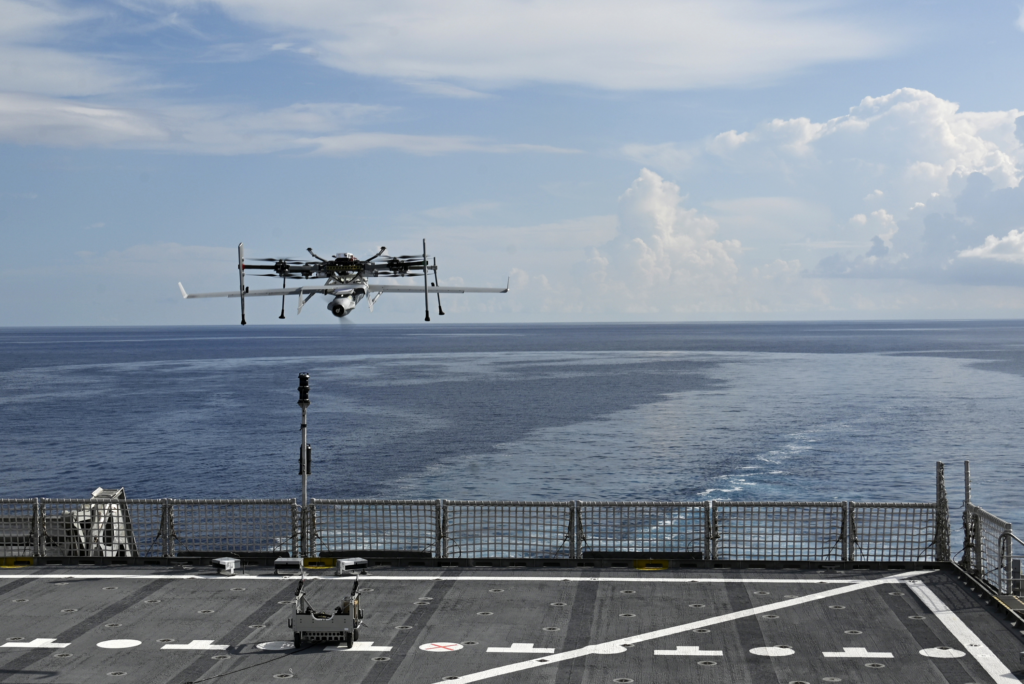
Both ScanEagle and Integrator platforms offer FLARES no-sacrifice VTOL and extended-range SATCOM capabilities, enabling light-footprint operations with truly persistent ISR missions lasting up to 27.5 hours (Integrator), and 18+ hours (ScanEagle). Integrator can travel up to 2,000 nm (point to point) or spend 13 hours on station at 500 nm performing ISR missions before returning to refuel. Insitu UAS have operated from over 45 ship classes and land sites on 6 continents.  

Insitu UAS are maintained and operated by a team of deeply experienced, award-winning field services representatives (FSRs) who have decades of experience deploying with the US Navy, US Coast Guard, and US Marine Corps, as well as customers from 35+ international militaries. Insitu’s FSR teams have been praised as seamlessly integrating into deployments and rising above and beyond the call to support the US warfighter.  

“Our FSR’s are proud to support the USG and look forward to continuing their deployments alongside our brave Sailors and Marines as they work tirelessly to keep America and her allies safe,” added Rose.  


HII’s Ingalls Shipbuilding Hosts “Signing Day” Celebrating Shipbuilder Academy Graduates 

From HII, May 1, 2026 
 

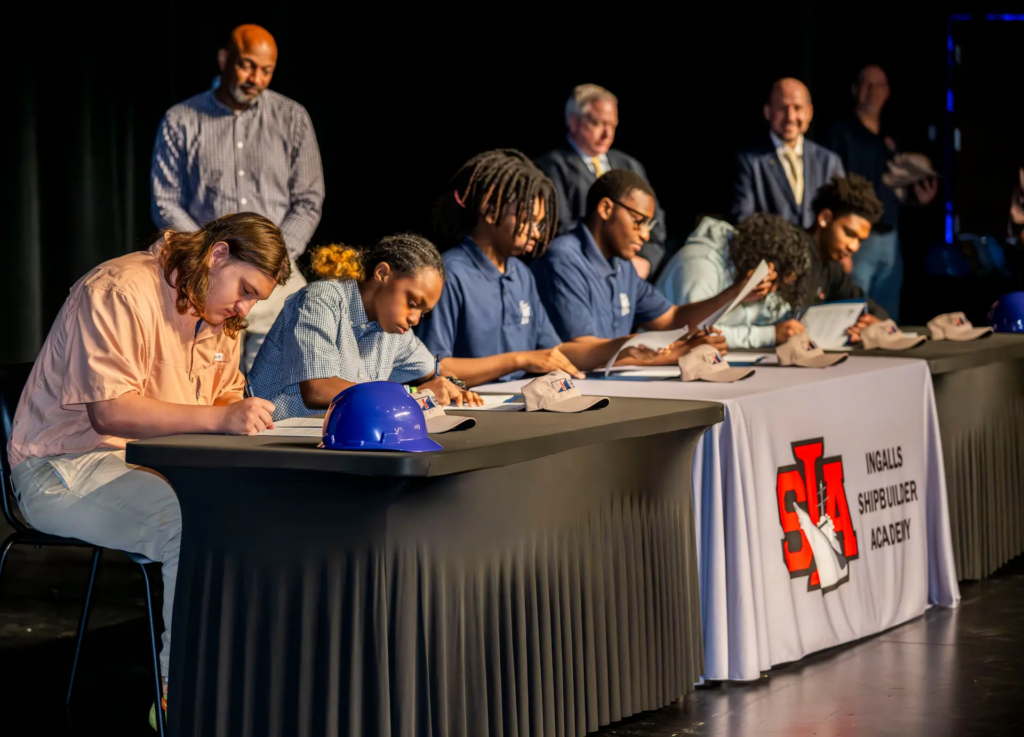
PASCAGOULA, Miss., May 01, 2026 (GLOBE NEWSWIRE) — HII’s (NYSE: HII) Ingalls Shipbuilding division hosted its annual “Signing Day” today, recognizing 49 high school seniors from across the Gulf Coast who have completed the Ingalls Shipbuilder Academy (ISA) and accepted contingent employment offers with the company. Modeled after traditional athletic signings, the ceremony celebrates students as they formally commit to launching their careers in shipbuilding. 

“Through the Ingalls Shipbuilder Academy, we are developing the next generation of skilled shipbuilders,” said Brian Blanchette, Ingalls Shipbuilding president. “Today we celebrate their first step toward meaningful, rewarding careers being part of something much bigger than themselves. By choosing technical training while still in high school, these students have shown the hard work, commitment, and craftsmanship needed to build the mission-ready ships our country depends on. We are proud of their achievements and honored to welcome them to the Ingalls team.” 

During the event, held at Pascagoula High School’s Performing Arts Center, each graduating ISA student signed a contingent offer of employment identifying the craft they will enter upon graduation. Career paths include welding, painting, pipefitting, joining and electrical work. Through hands-on instruction, mentorship and classroom learning, ISA prepares students with the foundational skills needed to excel in the shipbuilding industry. Since the program’s launch in 2016, more than 500 students have graduated and transitioned toward skilled careers at Ingalls. 

“These students have spent the last year putting real tools in their hands and learning how work gets done in a shipyard,” said Preston Bosarge, project manager for the Ingalls Shipbuilding Maritime Training Academy. “They’ve learned to think like a shipbuilder, learning problem-solving, paying attention to detail and taking pride in every task. Those habits will serve them well as they step onto the deckplates and begin building our nation’s fleet.” 

The success of the ISA program comes from the partnerships Ingalls has with 13 different high schools along the Gulf Coast including Biloxi, Gulfport, West Harrison, Long Beach, Pass Christian, Pascagoula, Gautier, Moss Point, East Central, Vancleave, St. Martin, Ocean Springs and Alma Bryant. 

The shipbuilder academy is a cornerstone of Ingalls’ long-term workforce development strategy. By investing in education and workforce development, Ingalls reaffirms its commitment to building both ships and careers in the Gulf Coast region. 


AUSTAL USA Signs the Future of Shipbuilding at Apprentice Signing Day 

From Austal USA, May 1, 2026 

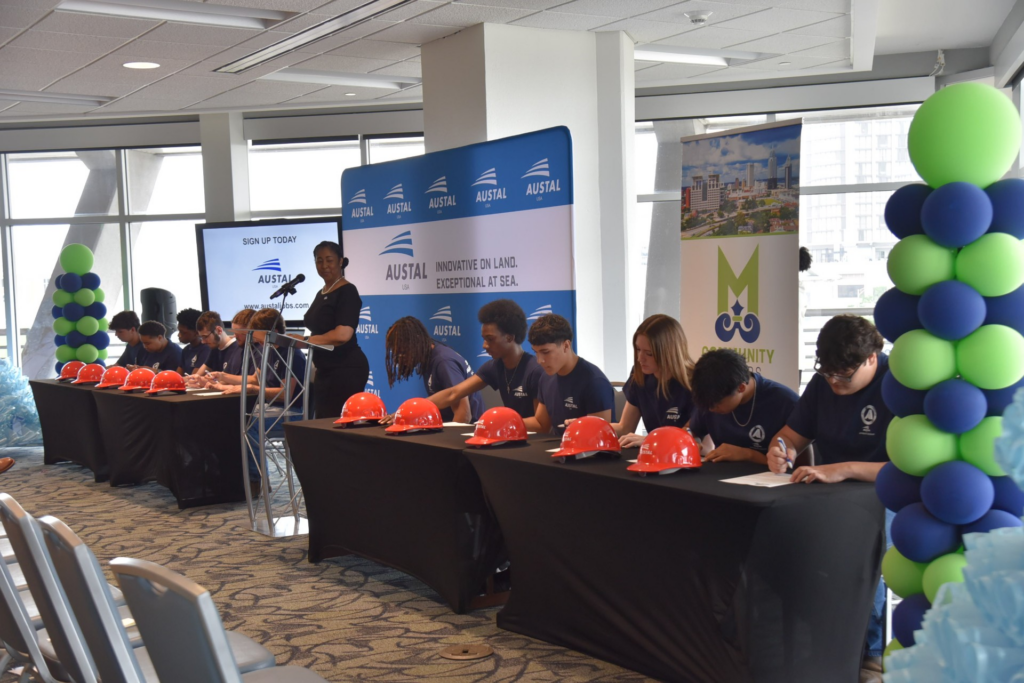
MOBILE, Ala. – Austal USA celebrated the next generation of skilled trades professionals today during its Apprentice Signing Day, welcoming almost 50 high school students who have officially committed to begin careers in shipbuilding through the company’s workforce development program. 

Held at the National Maritime Museum of the Gulf, the event brought together students, families, educators, and community leaders to recognize participants from career technical education (CTE) programs across Mobile and Baldwin counties. 

“This is an exciting moment not just for these students, but for our entire community,” said Mayor Spiro Cheriogotis. “When Mobilians can move straight from high school into meaningful, high-demand careers here at home, it creates real opportunity for them and strengthens Mobile’s future. This apprenticeship program at Austal shows what can happen when our schools and employers work together to create real opportunities for the next generation.” 

Designed to mirror the excitement of collegiate signing days, the ceremony honored students entering high-demand trades including welding, ship fitting, pipe welding, and pipe fitting—career paths that offer immediate opportunities for hands-on work, competitive pay, and long-term advancement. 

“Apprentice Signing Day is one of the most exciting milestones for our team because it represents the future of Austal USA and the strength of our workforce,” said Gene Miller, interim president of Austal USA. “These students are making a smart decision to pursue a career in the shipbuilding trade, and we are proud to invest in their success through training, mentorship, and meaningful career opportunities right here in our community.” 

Austal USA’s apprenticeship program provides a direct pathway from high school into the workforce, allowing students to earn while they learn, gain industry-recognized skills, and build stable, rewarding careers without taking on student debt. 

As demand for skilled workers continues to grow across manufacturing and maritime industries, Austal USA remains committed to partnering with local schools and CTE programs to build awareness and expand opportunities for students considering their future career paths. 

High school students and families interested in exploring apprenticeship opportunities with Austal USA are encouraged to connect with their school’s career and technical education counselors or visit Austal USA’s careers page on apprenticeships to learn more about upcoming application periods, program requirements, and available trade pathways. 


AUSTAL USA Christens Future USNS Solomon Atkinson 

From Austal USA, May 2, 2026  

MOBILE, Ala. – Austal USA christened the future USNS Solomon Atkinson (T-ATS 12) today at its Mobile, Alabama shipyard, marking a significant milestone in the construction of the U.S. Navy’s newest Towing, Salvage, and Rescue Ship. 

 The ship’s sponsor, Joann Atkinson, widow of Solomon Atkinson, and their daughters Michele Gunyah and Maria Hayward, performed the time-honored christening tradition by breaking a ceremonial bottle across the bow, formally naming the vessel. Among the dignitaries attending the ceremony were Captain Thomas Cunningham III, USN, Chief of Staff, Military Sealift Command; The Honorable Daniel Marsden, Sr., Acting Mayor, Metlakatla Indian Community; Rear Admiral Walter H. Allman III, USN, Commander, Naval Special Warfare; The Honorable Brendan Rogers, Assistant Secretary of the Navy for Energy, Installations, and Environment; and Gene Miller, Austal USA Interim President. 

Named in honor of Chief Warrant Officer 4 Solomon Atkinson, a pioneering Navy SEAL, plankowner of the SEAL teams, and one of the service’s most decorated Alaska Native sailors from the Metlakatla Indian Community, the ship recognizes a legacy of service, leadership, and dedication to the nation. The Atkinson family’s role as sponsors reflects a lasting bond between the ship, its crew, and the namesake’s enduring legacy. In honoring her father’s life and service, Maria Hayward has shared the Tsimshian value he lived by: “akadi lip a’algyaga sm’ooygit,” meaning “a chief never speaks for himself”—a principle that guided his leadership and continues to inspire. 

 “This christening marks an important milestone for T-ATS 12 and the dedicated workforce who brought this ship to life,” said Gene Miller, interim president of Austal USA. “It is an honor to take part in this ceremony alongside the Atkinson family as we recognize Solomon Atkinson’s legacy of service. We are proud to support the Navy with a platform that will serve critical missions around the world and look forward to delivering this ship to the fleet.” 

 Solomon Atkinson is the second of three T-ATS ships being constructed at Austal USA and is the second ship in its class launched from the company’s Mobile ship manufacturing facility—highlighting the strength, efficiency, and momentum of Austal USA’s growing steel shipbuilding program. 

 The Navajo-class Towing, Salvage, and Rescue Ships are designed to provide ocean-going towing, salvage, and rescue capabilities to support fleet operations. This multi-mission vessel will be capable of towing U.S. Navy ships and feature approximately 6,000 square feet of deck space to support a wide range of embarked systems and mission sets. The platform combines the capabilities of the retiring Rescue and Salvage Ship (T-ARS 50) and Fleet Ocean Tug (T-ATF 166) classes, while enabling future rapid capability initiatives through modular payloads, hotel services, and flexible interfaces. The T-ATS platform will support missions including towing, salvage, rescue, oil spill response, humanitarian assistance, and wide-area search and surveillance.