Company will train over 100,000 U.S. and allied sailors globally
FALLS CHURCH, Va.– General Dynamics Information Technology (GDIT), a business unit of General Dynamics (NYSE:GD), announced today that it was awarded a $383 million training support services contract by the Naval Surface Warfare Center Dahlgren Division in Virginia. The contract, awarded on behalf of Surface Combat Systems Training Command (SCSTC), has a one-year base period and four option years.
SCSTC provides the Navy and its allies with highly trained warfighters to maintain, operate, and tactically employ surface combat systems across the spectrum of operations. Over the life of the contract, GDIT will train more than 100,000 U.S. and allied sailors in classroom and simulation settings ashore and aboard Navy warships around the globe. Specifically, the company will provide instructor support, curriculum development, training aids and program management services.
“For over 30 years, we have supported a wide range of Navy training activities,” said Brian Sheridan, GDIT’s senior vice president for Defense. “We are looking forward to continuing to provide the Navy with modern training services to strengthen its overall fleet operations and warfighting readiness.”
The contract expands the company’s training support services portfolio across the Department of Defense. In April, GDIT was awarded a $1.7 billion Flight School Training Support Services contract to support the U.S. Army. The company’s experience with delivering modern training environments spans live, virtual and constructive solutions and multi-domain operations training.
USS PORTER RETURNS FROM DEPLOYMENT
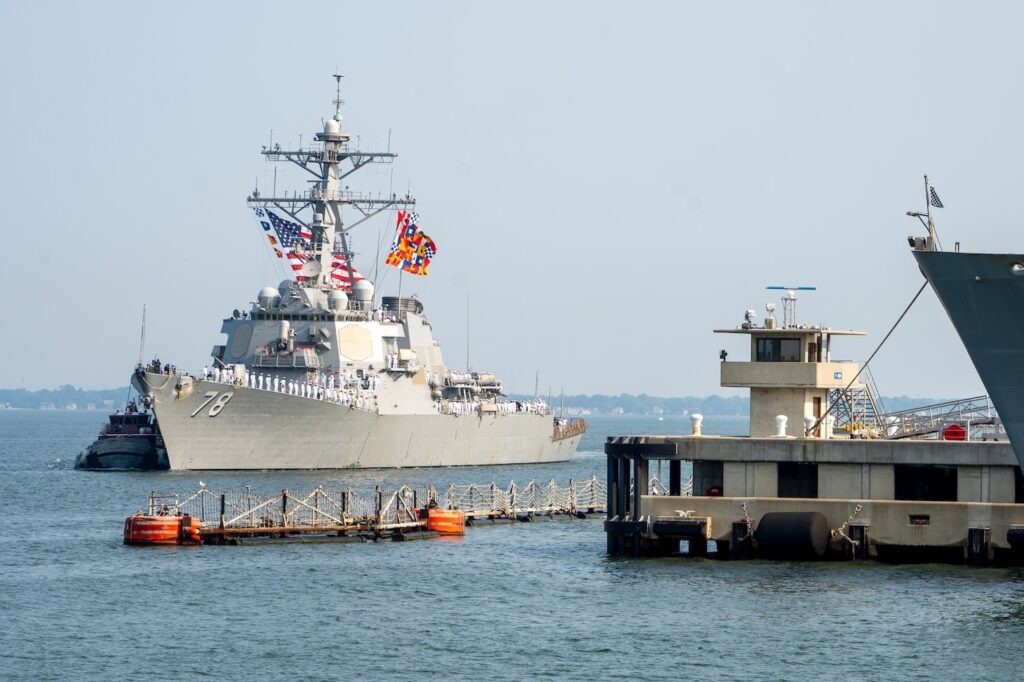
NORFOLK, Va. – The Arleigh Burke-class guided-missile destroyer USS Porter (DDG 78) returns to Naval Station Norfolk following a four-month deployment, June 16, 2023. Porter deployed to the U.S. Naval Forces Europe-Africa (NAVEUR-NAVAF) area of operations. (U.S. Navy photo by Mass Communication Specialist 2nd Class Anderson W. Branch)
16 June 2023
NORFOLK, Va. — The Arleigh Burke-class guided-missile destroyer USS Porter (DDG 78) returned to its homeport of Naval Station Norfolk, June 16, 2023, following a four-month deployment to the U.S. Naval Forces Europe-Africa (NAVEUR-NAVAF) area of operations.
Porter spent two months of its patrol in the Baltic Sea, participating in passing exercises and joint operations with NATO-Allied and partner navies from Lithuania, Poland, Germany, Sweden, the United Kingdom, and Estonia.
“Over the last four months, Porter lived up to its nickname of ‘Freedom’s Champion’,” said Cmdr. Joe Hamilton, Porter’s commanding officer. “The crew was outstanding in every warfare area and truly set the standard. From presence operations in the Baltic Sea, to port visits in allied nations, to large-scale exercises with our Allied and partner nations, Porter demonstrated we’re ready to execute any mission, any time.”
Following its time in the Baltic Sea, Porter steamed to the North Atlantic Ocean to participate in exercise Formidable Shield 2023, a biennial integrated air and missile defense (IAMD) exercise, which included more than 20 ships and 35 aircraft; eight ground units consisting of radars, National Advanced Surface-to-Air Missile System (NASAMS), and High Mobility Artillery Rocket System (HIMARS); and nearly 4,000 personnel from across the Alliance.
During Formidable Shield 2023, Porter conducted two live-fire missile events from the UK Ministry of Defence’s Hebrides Range, successfully firing three Standard Missile-2 (SM-2) interceptor missiles and destroying all targets.
“The amount of preparation poured into an exercise like this is incredible, and the Porter crew performed superbly from laying the groundwork to executing missiles on target,” Hamilton said about Formidable Shield. “The opportunity to conduct live-fire missile exercises like this isn’t one we get every day, and we made the most of the opportunity.”
Throughout the deployment, the crew conducted scheduled port visits to Rostock, Germany; Funchal, Portugal; Klaipeda, Lithuania; Tallinn, Estonia; Kalundborg, Denmark; Gdynia, Poland; Kiel, Germany; Rota, Spain; and Faslane, Scotland. During these port visits, Porter Sailors were able to experience local cultures and forge bonds with their hosts. Porter also hosted a number of distinguished visitors during its time in ports, including President of Estonia Alar Karis; U.S. Consul General Jason Chue, U.S. Consulate General in Hamburg, Germany; German Navy Rear Adm. Jürgen zur Mühlen, Commander, German Maritime Forces Staff, Director of Operations, and Deputy Fleet Commander, German Navy Headquarters; and U.S. Ambassador to Estonia George P. Kent.
“We’re always grateful for an opportunity to strengthen our relationship with NATO-Allied and partner nations,” said Hamilton. “Visits like these give the crew the opportunity to experience cultures, customs, and traditions that they may not have been able to otherwise.”
After arriving at Naval Station Norfolk, the crew was greeted by Rear Adm. Sean Bailey, commander of Carrier Strike Group 8 and Capt. Edward Pledger, deputy commander of Destroyer Squadron 22. Pledger presented a plaque recognizing Porter as the 2022 Destroyer Squadron 22 Battle Effectiveness award winner. The Battle “E” is presented to units whose crews consistently exhibit excellence in wartime capabilities and optimal mission readiness. Porter’s Battle ‘E’ is a result of a clean sweep of all CEAs for maritime warfare (Black ‘E’), engineering/survivability (Red ‘E’), command and control (Green ‘E’), safety (Yellow ‘E’), and health and wellness (Green ‘H’).
Porter’s deployment to the NAVEUR-NAVAF area of operations came months after a homeport shift from Naval Station Rota, Spain to Naval Station Norfolk in October 2022. Porter spent seven years in Spain as part of the Forward Deployed Naval Forces-Europe force, conducting eleven patrols in that time period. The patrols took Porter throughout the U.S. Sixth Fleet area of operations, including the Baltic, North, Norwegian, and Mediterranean Seas, as well as the Eastern Atlantic Ocean.
U.S. 2nd Fleet, reestablished in 2018 in response to the changing global security environment, develops and employs maritime forces ready to fight across multiple domains in the Atlantic and Arctic in order to ensure access, deter aggression and defend U.S., allied, and partner interests.
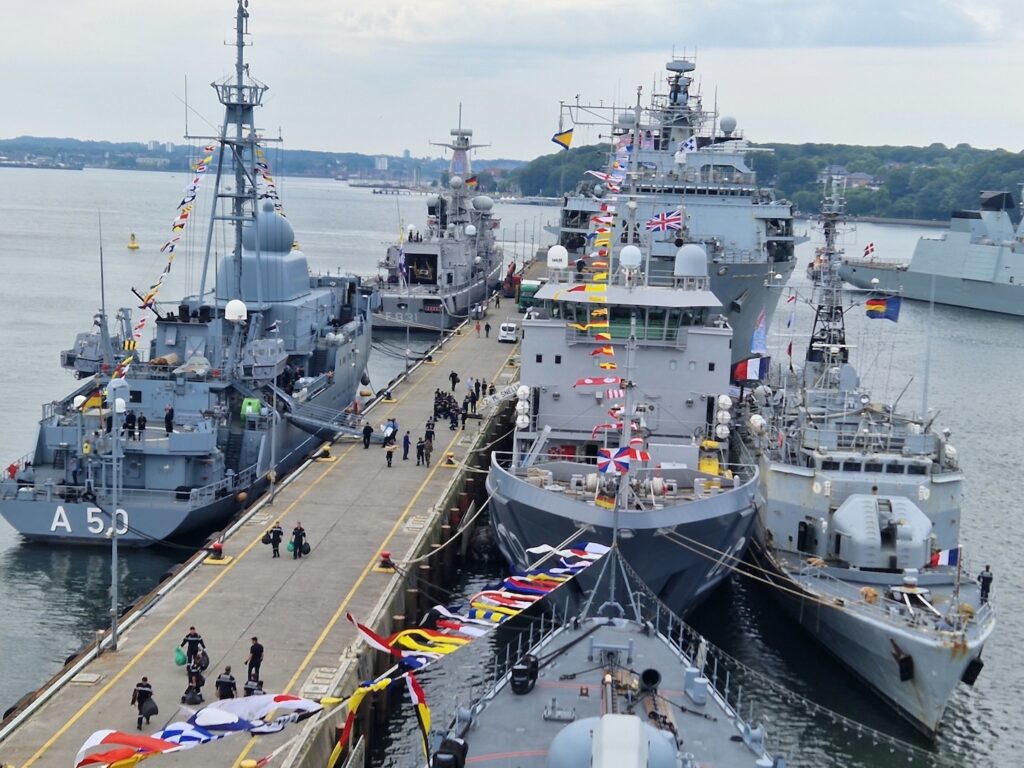
KIEL, Germany – Nineteen NATO Allies and one NATO partner nation, Sweden, concluded the 52nd iteration of exercise Baltic Operations 2023 (BALTOPS 23) in Kiel, Germany, June 16, 2023.
During their time in port, participants will pause to reflect on the accomplishments and bonds forged throughout the 13-day Baltic regional exercise involving 50 ships, over 45 aircraft, and 6,000 personnel.
While addressing BALTOPS 23 participants and media in Kiel, Vice Adm. Thomas Ishee, Commander of Naval Striking and Support Forces NATO (STRIKFORNATO) and U.S. Sixth Fleet, spoke to the dynamic and critically important milestones achieved during BALTOPS 23.
“After two weeks of intense, combined operations across the Baltic region, we have grown as a team by operating as a team,” said Ishee. “BALTOPS 23 has lived up to its intent by validating our collective defense capability, proving that NATO’s maritime readiness is stronger than ever. Our strength is built on the mutual trust between Allies and Partners developed in operations, activities, and exercises such as BALTOPS 23. The seamless interoperability demonstrated over the last two weeks proves that NATO is ready to deter and defend, if necessary.”
Participating nations include Belgium, Canada, Denmark, Estonia, Finland, France, Germany, Italy, Latvia, Lithuania, the Netherlands, Norway, Poland, Portugal, Romania, Spain, Sweden, Türkiye, the United Kingdom, and the United States.
These nations, working alongside each other not only at-sea and across the Baltic Region but also at the STRIKFORNATO headquarters in Oeiras, Portugal, collaborated to deliver a realistic training scenario designed to test the flexibility, adaptability, and capabilities of the participating combined forces.
The milestones represented by BALTOPS 23 were significant. While Finland has routinely participated in previous iterations of BALTOPS, this year marked the first time Finland joined the exercise as a NATO Ally. Additionally, BALTOPS 23 incorporated new ways of working cooperatively with civilian merchant mariners to ensure NATO’s maritime cooperation adroitness with international stakeholders.
“Preserving freedom of navigation and protecting trade in the Baltic Sea remains central to the defense of Europe and to preserving our way of life,” said Ishee. “The opportunity to exercise the important role of the NATO Shipping Centre as our principal connection with maritime industry has yet again brought context and additional challenges for the preparation of our warfighters at sea in a complex and potentially contested environment.”
As the exercise culminated on June 14th, Germany celebrated the 175th anniversary of its Navy. An important ally within both BALTOPS and NATO, Germany significantly contributed to this year’s success. NATO’s Standing NATO Maritime Group One (SNMG-1), led by Rear Adm. Thorsten Marx, hosted German Chancellor Olaf Scholz aboard the German frigate Mecklenburg-Vorpommern (F218), highlighting the international scope of BALTOPS 23 and the complex NATO defensive capabilities it brings to all participating nations.
On land, international teams conducted explosive ordnance disposal training, sharing tactics and national capabilities in bomb-disposal and remote-controlled explosive defusing. Simultaneously, on shore, U.S., British, Romanian, Italian, Polish and Lithuanian forces conducted combined amphibious-landing operations across Latvia, Lithuania and Poland. Separately, land and sea-based mine countermeasure ships and teams honed their skills by conducting real world unexploded historical mine clearance from wars past, continuing to use BALTOPS 23 as both a training opportunity while also clearing real dangers from the Baltic Sea.
During the exercise at-sea, ships conducted tactical maneuvering drills, anti-submarine warfare training, gunnery and small caliber live fire events, mine countermeasures operations, and air defense exercises. Notable participants included the Swedish submarine HSwMS Uppland (Upd), the U.K.’s HMS Albion (L 14) landing platform dock (LPD), the Italian Navy ITS San Marco, and aircraft from other nations including, Poland, Portugal, Türkiye, and the United States.
One of this year’s major milestones was the incorporation and effective usage of Unmanned Surface and Underwater Vehicles (USV/UUV). Like previous iterations, UUV’s were deployed throughout the Baltic Sea to test and evaluate the latest advancements in mine hunting technology and sea-floor mapping. The deployment of UUV’s demonstrated their effectiveness at creating a comprehensive under-sea picture and enhance operational capabilities of NATO mine countermeasure teams. The USV, deployed for the first time in BALTOPS, also conducted joint personnel recovery exercises. Teams utilized the USV’s for patient transport between ships, as well as direct recovery and rescue operations at-sea.
While operating in one of the most dynamic waterways in the world, training in BALTOPS 23 incorporated additional areas of focus. Representatives from the U.S. Space Force and other national space agencies evaluated combatant-commanders’ decision-making skills when presented with unique space-domain obstacles. Simulating complications like solar flares and adversary space-domain actions, commanders were tasked with responding to jamming, space weather, and GPS accuracy.
Though still prioritizing the training inherent in BALTOPS 23, as well as the dynamic challenges of maritime navigation, the exercise recognized the importance of pastoral and spiritual support strategies. These strategies, augmented by a combined team of chaplains from multiple participating nations, were executed to strengthen participants’ decision-making abilities during crucial moments. The successful integration of chaplain support within the intricate maritime environment demonstrated the Alliance’s capacity to overcome obstacles and limitations, regardless of the warfighting domain it operates within.
Looking towards the future, preparations have already begun for next year’s exercise, which will take into account the valuable lessons gleaned from BALTOPS 23 and aim to expand upon its achievements in BALTOPS 24.
STRIKFORNATO, headquartered at Oeiras, Portugal, is a rapidly deployable and scalable headquarters, under the operational command of SACEUR, capable of planning and executing full spectrum joint maritime operations including maritime Ballistic Missile Defence, primarily through integration of U.S. and other nations’ carrier and amphibious forces into NATO operations to provide assurance, deterrence, and collective defence for the Alliance.
Headquartered in Naples, Italy, NAVEUR-NAVAF operates U.S. naval forces in the U.S. European Command (USEUCOM) and U.S. Africa Command (USAFRICOM) areas of responsibility. U.S. Sixth Fleet is permanently assigned to NAVEUR-NAVAF, and employs maritime forces through the full spectrum of joint and naval operations.
Naval Air Warfare Rapid Capabilities Office Approved in HASC Chairman’s NDAA Mark
*****
ARLINGTON, Va.— A rapid capabilities office for U.S. naval aviation is included in the chairman’s mark for the 2024 National Defense Authorization Act in order to speed up development and delivery of critical technologies and systems to naval aviation forces by using “alternative or rapid acquisition pathways for procurement.”
The Naval Air Warfare Rapid Capabilities Office, to be co-located with the Naval Air Systems Command headquarters at Naval Air Station Patuxent River, Maryland, would have the following missions, according to the draft legislation:
‘‘(1) to contribute to the development and testing of low-cost, rapid reaction targeting and weapon systems, electronic warfare and other non-kinetic capabilities, and integrated targeting solutions to fulfill naval and joint military operational requirements;
(2) to contribute to the rapid development, testing, and fielding of new unclassified and classified naval air warfare capabilities.
The office would be led by a designee of the secretary of the Navy and would report to the chief of naval operations. The office would be overseen by a board of directors to include the secretary of the Navy, the chief of naval operations, the commander, Naval Air Systems Command, and the commander, Naval Air Forces.
‘‘The Secretary of the Navy shall ensure that the head of the Office may use available alternative or rapid acquisition pathways for procurement,” the draft said. “The Joint Capabilities Integration and Development System process shall not apply to acquisitions by the Office.”
Northrop Grumman MQ-4C Flying Test Bed Demonstrates Targeting Capability During Northern Edge 2023
Triton integral in joint force exercise focused on data collection and dissemination ahead of initial operational capability this year
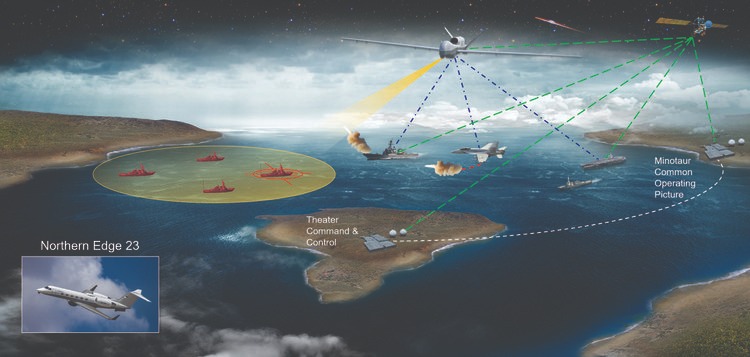
SAN DIEGO – June 15, 2023 – Northrop Grumman Corporation’s (NYSE: NOC) MQ-4C Triton flying test bed (FTB) recently completed a demonstration of persistent long-range targeting during this year’s Northern Edge 2023 military training exercise. Conducted around the Gulf of Alaska, this demonstration highlighted Triton’s potential to enhance joint, distributed maritime operations, and further support sea-control in contested environments. Triton is preparing for initial operational capability (IOC) later this year.
“Northern Edge strengthens the readiness and operational capabilities of joint forces so the ability to test and demonstrate critical long-range targeting capabilities with Triton helps ensure we’re ready to effectively operate and respond to contingencies in the Pacific or anywhere in the world,” said Capt. Josh Guerre, Persistent Maritime Unmanned Aircraft Systems program manager.
The Triton FTB exercise scenarios, executed during multiple flights over seven days, focused on tasking, collection, processing, exploitation and dissemination of information to help maintain a robust common operating picture. During the exercise, the Triton FTB tracked and monitored all maritime traffic within its broad visual field. Upon receipt of the data, ground operators at Joint Base Elmendorf-Richardson in Anchorage were able to process and disseminate the Gulf of Alaska maritime common operating picture to command and control units using Triton’s Minotaur mission interface.
“Northern Edge helps the joint force integrate platforms like Triton to outpace emerging threats,” said Jane Bishop, vice president and general manager, global surveillance, Northrop Grumman. “Testing and demonstrating Triton’s developing technologies, along with its unprecedented maritime multi-intelligence, surveillance, reconnaissance and targeting capability, helps ensure our warfighters can prevail in complex environments.”
The exercise showcased Triton’s developing technologies involving artificial intelligence, machine learning, edge processing and enhanced communications.
Triton’s participation in Northern Edge was executed in collaboration with the U.S. Navy’s Persistent Maritime Unmanned Aircraft Systems Program Office (PMA-262) as well as operational commands.
PUTLOS, Germany – As in previous years, U.S. Sixth Fleet is partnering with the U.S. Naval research enterprise to bring the latest advancements in emerging unmanned technologies to conduct mine countermeasures (MCM) operations. To forward these efforts, Sailors and Marines are experimenting and integrating with Unmanned Underwater Vehicles (UUVs), Unmanned Aerial Vehicles (UAVs), and Unmanned Surface Vehicles (USVs).
As an ideal setting for experimenting and testing new capabilities and technologies in a cooperative maritime environment, exercise Baltic Operations (BALTOPS) 23 showcases growing U.S. Sixth Fleet unmanned systems capabilities.
As in previous years, U.S. Sixth Fleet is partnering with the U.S. Naval research enterprise to bring the latest advancements in emerging unmanned technologies to conduct mine countermeasures (MCM) operations. To forward these efforts, Sailors and Marines are experimenting and integrating with Unmanned Underwater Vehicles (UUVs), Unmanned Aerial Vehicles (UAVs), and Unmanned Surface Vehicles (USVs).
“The BALTOPS exercise series is a great opportunity to experiment,” said Anthony Constable, an Office of Naval Research science advisor to U.S. Sixth Fleet. “BALTOPS is well-supported by Allies and partners, and because the exercise has such a strong history, it gives us ample opportunity to collect operator feedback on how they can best utilize the systems. Additionally, it allows us to showcase new technology to our NATO partners for future collaboration.”
Unmanned systems provide additional warfighting capability at sea and become a force multiplier to traditional manpower. Also, unmanned systems allow navies to take on greater operational risk by removing or distancing warfighters from high threat areas while maintaining a tactical and strategic advantage.
For this year’s BALTOPS, planners primarily focused experimentation on four capabilities:
In-Stride Detect to Engage Sequence. UUVs with automatic target recognition technology and advanced communications capabilities conducted real-time mission analysis and sent a sonar image of a potential underwater mine to Explosive Ordnance Disposal (EOD) technicians within minutes of traveling over the item. This capability significantly reduces MCM operational timelines from hours to minutes.
Launching UUVs using a USV. UUVs, which scan the ocean floor for potential mines, are currently delivered to contested areas by operators using rigid hull inflatable boats (RHIB) or other manned small vessels. Using USVs to deliver UUVs reduces the risk of fatalities or injury by ordnance and allows operators to stay safe while the UUV scans the area.
Very Shallow Water and Surf Zone Operations. Shallow water areas represent some of the most hazardous areas to operate for marines and sailors. In this scenario, members of the experimentation task unit facilitated an autonomous collaboration test using a UAV and USV to map an underwater area, allowing boats and personnel to approach a beach site safely.
Joint Personnel Recovery. The JPR scenario involves sending the USV out to a distressed pilot, recovering the personnel, and bringing them back to a safe location – all unmanned, and remotely controlled from a nearby vessel.
Joe Klein, the Joint Personnel Recovery Program Manager for BALTOPS 23, emphasized the unique aspects of implementing a USV in a JPR scenario.
“I thought this was a great opportunity,” Klein said, referencing the USV. “This is the first time that we’ve done (JPR) with a USV, and it’s a relatively simple scenario, but we’re interested in the communications aspect, like ‘How do you vector the USV into positions,’ and ‘how do we strap the recovery target into the vehicle, as an unmanned system?’ So we’re working through those dilemmas, while also testing it as a solution to some of our problems… You can assume more risk with a USV – it has a pretty low profile, it’s not easy to spot compared to our usual, larger recovery force… it adds resources to recovering in high-threat areas.”
U.S. Sixth Fleet (SIXTHFLT) and STRIKFORNATO-led BALTOPS 23 is the premier annual maritime-focused exercise uniting 19 NATO Allies and one NATO to provide complex training designed to strengthen the combined response capability critical to preserving the freedom of navigation and security in the Baltic Sea. U.S. European Command and U.S. Naval Forces Europe-Africa (NAVEUR-NAVAF) have promoted the traditional U.S.-led or bi-lateral exercises as opportunities for NATO to improve interoperability as a collective force, using NATO command and control systems as a foundation for the exercise design.
For over 80 years, NAVEUR-NAVAF forged strategic relationships with our Allies and Partners, leveraging a foundation of shared values to preserve security and stability.
Headquartered in Naples, Italy, NAVEUR-NAVAF operates U.S. naval forces in the U.S. European Command (USEUCOM) and U.S. Africa Command (USAFRICOM) areas of responsibility. SIXTHFLT is permanently assigned to NAVEUR-NAVAF and employs maritime forces through the full spectrum of joint and naval operations.
STRIKFORNATO, headquartered at Oeiras, Portugal, is a rapidly deployable and scalable headquarters, under the operational command of SACEUR, capable of planning and executing full spectrum joint maritime operations including maritime ballistic missile defense, primarily through integration of U.S. and other nation’s carrier and amphibious forces into NATO operations to provide assurance, deterrence, and collective defense for the Alliance.
Teledyne FLIR: Autonomous operations and lean crewing set to drive a greater reliance on thermal cameras in maritime sector
*****
UK, 15 June 2023, Teledyne FLIR is predicting an increase in the use of thermal and visual cameras in the maritime sector as the growth of autonomous vessels and leaner crewing gathers pace.
With technological advances, autonomous shipping is set to be one of the fastest growing areas of shipping in the years ahead and the industry will inevitably move to a greater reliance on sensors. However, crew minimisation creates new challenges, particularly in high traffic areas and port entrances where sensor data to shore is more important than ever. High cargo can also obstruct the view from the bridge of vessels, so adding cameras can help to fulfil the need for sight in those areas.
Teledyne FLIR has been selling cameras to the Unmanned Surface Vehicle (USV) market for both research and scientific purposes, as well as military for a number of years and Christer Ahlbäck, senior sales manager in Maritime Thermal for EMEAI shares his thoughts on what the landscape ahead looks like.
“Multispectral cameras are one of the most important sensors in the future of shipping. For autonomous vessels, data is crucial when combined with other systems. Sensors are already critical components in modern shipping but will become even more important. A radar will identify objects, but the camera will confirm what that object is, adding intelligence to target detection. To have eyes on board to visually see what is going on and what is out there, really takes navigation to the next level.
“Using sensors in autonomous vessels provides a level of situational awareness that would be impossible for human operators to achieve. Detecting potential obstacles, weather patterns, Slew to Cue radar targets and the ability to track objects, allowing the ship to make decisions based on real-time data. Integrating sensors ensures the information is as reliable as possible.”
Teledyne FLIR’s wide range of marine thermal cameras offer industry leading thermal imaging in total darkness, optical zoom, active gyro stabilisation and radar tracking. Some cameras are designed around a cryogenically cooled thermal sensor for amazing clarity and enable extended range of unparalleled target tracking.
“FLIR products integrated on autonomous vehicles offer heightened safety and efficiency, providing a level of awareness impossible for humans,” said Christer.
Cameras and sensors in the shipping industry are already on the increase as the use of autonomous vessels becomes more widespread and the minimisation of crews becomes a reality. This investment in equipment for shipping companies wanting to stay competitive will be vital.
Coast Guard Concludes 21 Years of Maritime Security Detachments to Gitmo
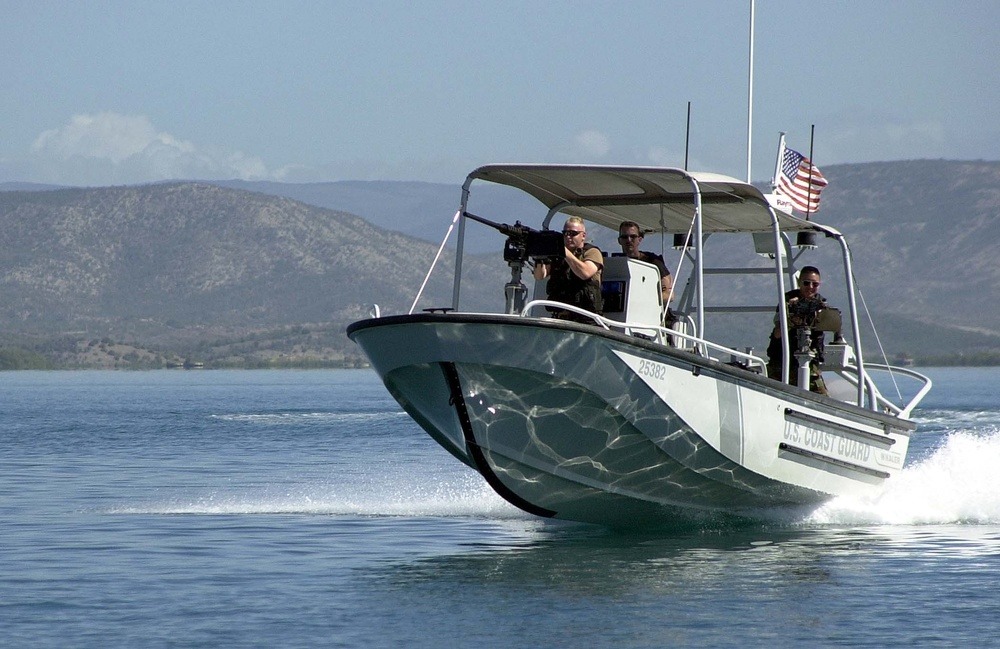
GUANTANAMO BAY, Cuba (Feb. 4)–Patrolling the waters of Guantanamo Bay are members of Port Security Unit 305 from Fort Eustis, Va. PSU 305 deployed to the Cuba in late January in support of the global war on terrorism. USCG photo by PA3 Krystyna Johnson
*****
ARLINGTON, Va. — The Coast Guard has closed its maritime security detachment in Guantanamo Bay (Gitmo), Cuba, concluding a 21-year presence of port security units that provided security to the naval base, the longest continuous deployment of the Coast Guard Reserve in its history.
As noted in a June 13 message from the Coast Guard commandant, the Maritime Security Detachment cased its colors that date.
Port Security Unit (PSU) 305, which provided the last detachment, also was the first to staff the Maritime Security Detachment in 2002, when prisoners seized by U.S. forces during Operation Enduring Freedom in Afghanistan and elsewhere were imprisoned at Gitmo.
“Since 2002, the Coast Guard has safeguarded critical assets and infrastructure for Joint Task Force Guantanamo in support of Operation ENDURING FREEDOM,” the message said. “Through countless hours of rigorous training, relentless vigilance, and steadfast resilience, Coast Guard Port Security Units and Maritime Safety and Security Teams have upheld the highest standards of professionalism while executing this vital mission.”
PSU 305 returned to Virgina on June 14 after its nine-month deployment, which was the unit’s fifth such deployment over the 21 years.
With the closure of the detachment. Responsibility for maritime anti-terrorism/force protection of Gitmo was transferred to Naval Station Guantanamo Bay, the message said.
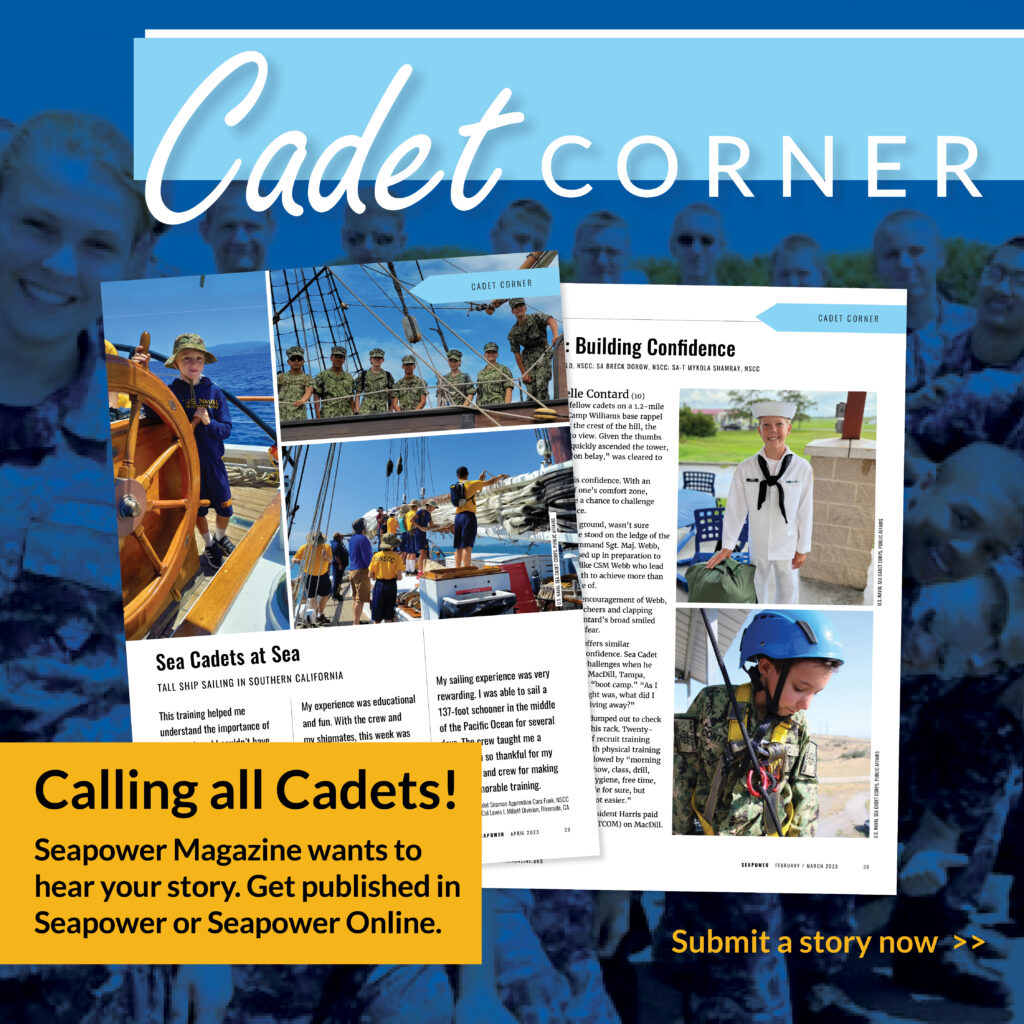
CADET CORNER: How Sea Cadets Changed My Life
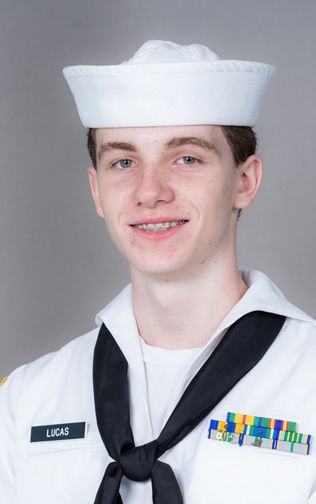
PO2 Cristian, Lucas For the first couple of years I was apart of the program, I did not accomplish much. I would attend my weekly Saturday drills, spending the day nonchalantly following my staff cadets, as we would perform a near identical POD at each meeting. I would go home without having retained much and then forget about Sea Cadets until Friday evening of the next week. While it was true that we occasionally deviated with various events that helped expand my horizons, I still wouldn’t absorb or even understand too much of what I would experience, and even let some opportunities go to waste.
This was such the case until a couple weeks after I had turned 16, which is when I attended Recruit Training and first connected to the wider Sea Cadet community. Despite having previously attended League Orientation, my RT is when I first began to understand the program and the Navy. It lit a fire in me to pursue greatness within the Corps and opened my eyes, inspiring me to make use of the opportunities offered. In fact, hours after I had graduated I begged my parents to immediately send me another training that took place less than two weeks later; field operations at Green Swamp, FL.
Going to trainings has helped me gain many attributes, such as discipline, cleanliness, obedience, greater physical strength and capability. I have become a practical and orderly person: stricter with myself and now with a greater sense of independence. My experience has enriched me with different varieties of knowledge and practical skills. From Field Operations I gained an understanding of how infantry forces conduct their missions and gained a better perspective of what it means to in combat. During my MAA training, I learned about law enforcement and the ins and outs of radio communication, clearing buildings, and SOP for MAAs. At Seabee training, I physically built a deck with my shipmates giving me not only the practical handy skills that are required to work with my hands but also a greater zeal for teamwork which has improved my interpersonal skillset.
My training at POLA is ultimately what has been the most developmental. Learning about what it means to be a leader and how to navigate its difficulties helped me in everyday life. I began to understand the sacrifices required and how to maintain the relationship between subordinates and those in command.
Returning to my unit the summer after POLA, I received my Petty officer third-class rank. Since I was the only Petty officer at that point and with the previous leadership withdrawing, I was given the position of LPO and ordered to take charge of my unit. I suddenly found myself in a difficult position, with both Officers and Cadets alike looking toward me to lead. This time period would be a trial by fire where my only options were to sink or swim. And although it was stressful, I was able to grow into my role and did not buckle under the pressure. Becoming a petty officer not only improved my leadership skills but also defined me in smaller aspects. I learned how to project authority with confidence but while also maintaining neutrality, and it also has helped me speak more clearly. Calling commands and addressing my cadets refined my voice so that I trip over my words less and convey my intentions with greater effectiveness.
The Sea Cadet program has enriched myself and my life in countless ways and for that I am exceedingly grateful.
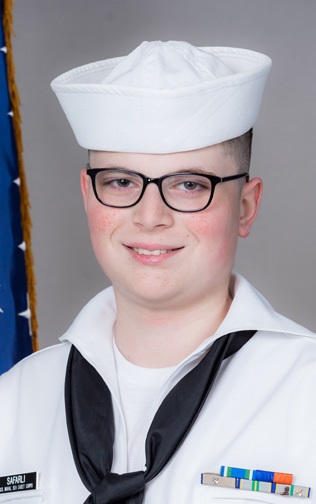
SN Safarli, Jamil Don’t stop believin’ Participating in the Naval Cadet Corps recruit training in camp Geneva (Fruitland, FL) was undoubtedly one of the most challenging experiences I have had to face in my life. The difficulties I faced from the moment I was assigned to the training till the end taught me valuable life lessons that have stuck with me ever since. Firstly, getting to the training site was an arduous task that took my family four hours. I had to endure a long; difficult drive to the site, which only added to my anxiety. I had never been to the training site before and did not know what to expect.
Flashforward to after the hotel night, I was greeted by a set of unfamiliar faces, which only made me feel more nervous. The next morning, we were up at 4 am, which was not something I was used to. I was already tired from the previous day’s journey, and I did not expect the training to be as intense as it was. However, I quickly realized that the physical training was the best I have ever done.
Despite my tiredness, I pushed myself to the limit and exceeded my expectations. For the next few days, it took me a while to adjust to the rigorous routine and the demands of the training. However, as time passed, I found myself becoming more accustomed to the routine, and it became easier to adapt to the environment. The teachings that I experienced during the training were also valuable lessons. I learned that it is essential to keep yourself occupied, even when things seem out of control. I also learned the importance of staying focused on the task at hand and not allowing myself to become distracted by external factors. As the days went by, I began to feel more comfortable with the other recruits, and we started to work together as a team. This experience taught me the value of teamwork and how important it is to rely on others in times of need. I realized that even in the most challenging of situations, it is essential to stay positive and work together to overcome any obstacles.
In conclusion, the Naval Cadet Corps recruit training was an experience that pushed me to my limits and taught me valuable lessons that have stayed with me ever since. From the grueling drive to the site to the early morning wakeups and the intense physical training, I learned the value of perseverance, teamwork, and staying focused on the task at hand. Although it was a difficult experience, I am grateful for the lessons I learned and the memories I made.
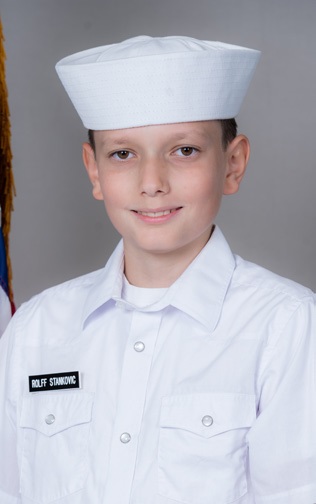
LC3 Rolff Stankovic, Marko
Over the past year, my first with the Sea Cadets, I learned what a Sea Cadet is: The United States Navy Sea Cadets Corps gives its cadets skills, knowledge, and confidence through training. Sea Cadets has made a difference in my life by showing me its core values to strive for – honor, respect, commitment, and service. It has made a difference in my life by giving me the ability to rise to responsibility, enjoy countless adventures, and, most of all, has built my confidence.
Sea Cadets has made a difference in my life by giving me the knowledge and experience to be responsible. Responsibility means doing something you are supposed to do and accepting the results of your actions. In the Sea Cadets program, I am expected to prioritize and accomplish tasks in a timely manner. Some of the ways I must apply the value of responsibility while I am at camp is by being physically ready, taking showers and tidying up my space without command, and being dressed in less than ten minutes.
Sea Cadets has made a difference in my life by giving me many adventures to learn the importance of teamwork and leadership. Some of the adventures focus on teambuilding activities that help me and my friends work together, overcome obstacles, and reach our goals. For example, at Tiger Tails Recreational Center we had rope and aerial challenges to triumph over. Exploring new places like Vizcaya, watching an air show, meeting Navy helicopter pilots, going on a Coast Guard cruiser, touring a destroyer ship, and attending the Seven Seas Gala are just a few of the countless adventures that Sea Cadets has given me. I also learned from the community service activities like beach clean-up and laying down wreaths.
Sea Cadets has made a difference in my life by giving me confidence in myself, my choices, and my actions. The Sea Cadets program has helped me understand that a person’s confidence is one that is built out of a multitude of experiences. Sea Cadets encourages and motivates me to think and act with confidence. The lessons I have learned have made me realize that I can do great things. This confidence can be seen in my academics and personal life too.
Sea Cadets has taught me many useful skills that embody the core values. I pledge to uphold those values by continuing to grow and keeping honor, respect, commitment, and service in mind.
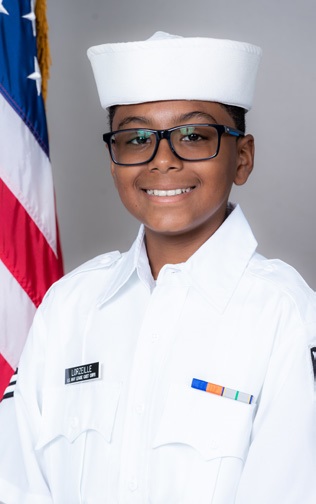
LC2 Lorzeille, Andrew The United States Naval Sea Cadets Corps. This is the name of the program that changed my life. My name is Andrew Lorzeille, but I am now known as LC2 Lorzeille. This program is only $100 a year, but I went to events that cost more than $500 dollars. The people in my division are not only just people, but they are also my family. We are all one ship, united and strong, with honor, respect, commitment, and service.
To start off, this program offers fun activities that includes team-working skills, cooperation, and friendship. For example, we went to help the community by bringing pumpkins to a Pumpkin Patch. We were all in a line, passing pumpkins down, and working as a team while making new friends. That day was incredibly fun, even though I was starting off as a new cadet, and I did not know anyone. I made great friends and muscles that day. Another example is the Shark-Tagging Event. On that day, we had extreme persistence to tag a shark. We spent about 4 hours trying to lure it, and on the 5th hour, we used teamwork and cooperation to tie it down and tag it. It turned out to be a tiger shark, and when I touched it, it was very rough. Events like these are once-in-a-lifetime and teach great lessons about teamwork, cooperation, and friendship.
In addition, this program has helped me to be a better person by giving me duties, responsibility, and discipline. For example, I went to a three-day camp for training. We were taught survival skills, respect, teamwork, and discipline. We built a shelter out of leaves and sticks, we learned about formations and practiced on it, and overall had an amazing time. Another example is the Seven Seas Gala. I had a huge responsibility for ringing the bell a certain number of times at extremely specific times during a speech. Even though I was nervous on the stage, I felt proud of myself for stepping up to the challenge of having a huge responsibility. After the Seven Seas Gala, people gave me respect for doing an excellent job. This is how the program helped me to be a better person by giving me duties, responsibilities, and discipline.
To summarize, the United States Naval Sea Cadets Corps has changed my life in many positive ways. It has given me once-in-a-lifetime events, teamwork skills, friendship, responsibility, and discipline. I learned many survival skills and feel very proud of being part of The USS Fort Lauderdale Division. My name is LC2 Lorzeille, what are you doing today?
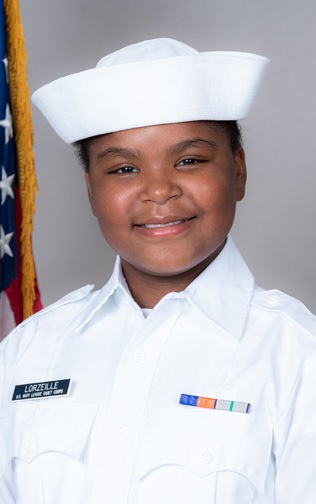
LC2 Lorzeille, Sophia The program that has changed my life is called the United States Naval Sea Cadets Corps, USS Fort Lauderdale Division. Everyone in the program is very friendly. This youth program has impacted my life in many positive ways!
To begin with, this program helps me understand and practice the four core values of the Sea Cadets Organization which are: honor, respect, commitment, and service. For example, if the person in command yells “EARS”! This means that everyone is supposed to be listening. It can sometimes be unexpected. At other times, the command must repeat themselves because cadets are still talking. I am learning how to be more disciplined and respectful.
In addition, every Saturday I have a lot of fun. For instance, I have gone to some swimming events including a Shark Tagging Event! Outstanding! The shark looked so big. He was 12 feet long! I also went to meet the Blue Angels in person. I saw the Blue Angels jets and they were cool to look at and meeting the pilots was exciting, but I was nervous, too. During the Mini Recruit Training, I enjoyed sleeping over in the cabins with my friends and going to the beach the next day. Also, as I will continue to grow with the program, my confidence will become sky-high.
In conclusion, the Navy Sea Cadets Corps program has improved my life a lot over this past year. Its four core values will shape my future as an individual. I love the program and the challenges of every Saturday.
Submit a Story
Northrop Grumman Enhances G/ATOR with New Performance Capabilities
Northrop Grumman successfully completed Full-Rate Production Lot One of G/ATOR and will deliver 46 awarded systems to the Marine Corps. (Photo Credit: Northrop Grumman)
BALTIMORE – June 14, 2023 – Northrop Grumman Corporation (NYSE: NOC) continues to enhance the functionality of AN/TPS-80 Ground/Air Task-Oriented Radar (G/ATOR) with new performance upgrades that will extend the range and add advanced capabilities following the completion of Full Rate Production lot one to the U.S. Marine Corps. While in production, G/ATOR has proven to be an agile expeditionary air defense capability suitable for air base defense. Based on the success of the fielded systems, new performance upgrades that will extend the range and capability are planned for next year for the Multifunction radar systems in production.
“The advanced functionality significantly increases the range of the current system, enhances cruise missile defense capability and establishes G/ATOR as the most agile ground-based surveillance and integrated fire control system available today,” said Melissa Johanson, director, advanced land sensors, Northrop Grumman. “We are committed to outpacing modern adversary threat systems for partner and allied forces with advanced surveillance and fire control capability.”
G/ATOR combines five of the Marine Corps’ single-mission radars into one multi-mission system for total air and missile defense surveillance. This provides a new level of protection and situational understanding for warfighters and enables them to make better decisions when it matters most. The Marine Corps has been granted funding from Congress for eight additional G/ATOR systems. To date, 21 of the awarded 46 Northrop Grumman systems have been fielded.
G/ATOR is one piece of the solution providing joint forces with an operational picture and deep breadth of data to operate in today’s contested environment, in support of the U.S. Marine Corps’ Force Design 2030 strategy.