SECNAV Names Future Oceanographic Survey Ship USNS Robert Ballard
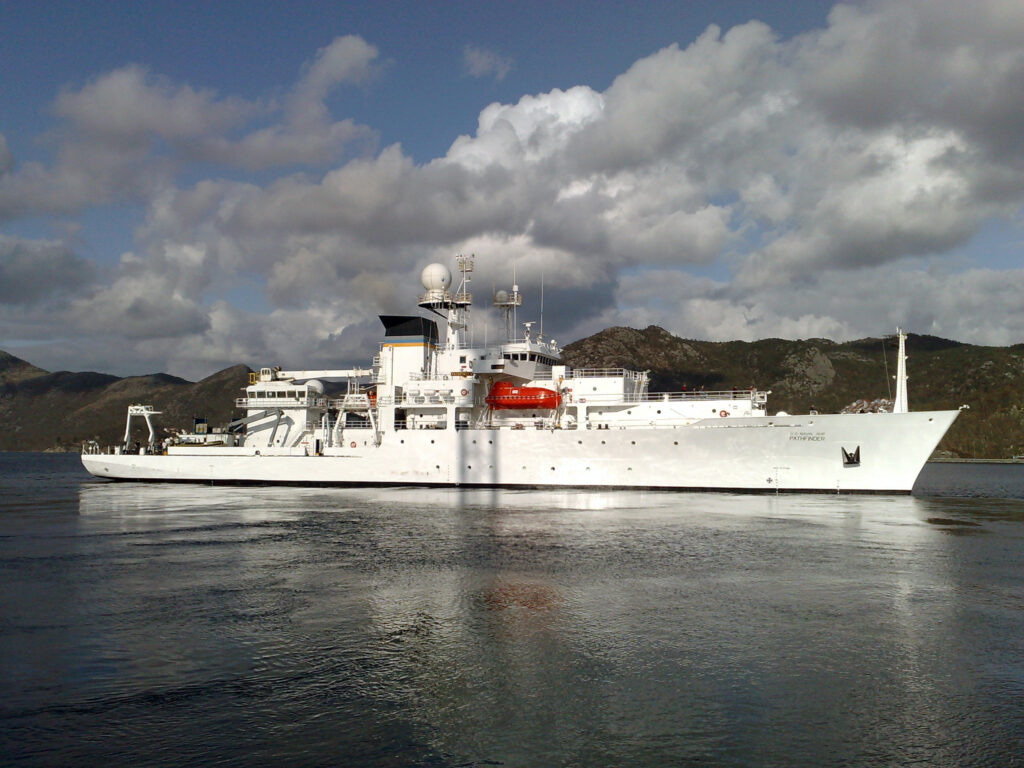
Military Sealift Command oceanographic survey ship USNS Pathfinder. U.S. NAVY

WASHINGTON — Secretary of the Navy (SECNAV) Carlos Del Toro announced Dec. 21 that a future Pathfinder-class oceanographic survey ship will be named USNS Robert Ballard (T-AGS 67). 

The future USNS Robert Ballard will honor Dr. Robert Ballard, a retired U.S. Navy commander, and former director of the Center for Ocean Exploration. A tenured professor of oceanography at the University of Rhode Island’s Graduate School of Oceanography, he is widely known as a discoverer of the final resting place of the R.M.S. Titanic. The name selection follows the tradition of naming survey ships after explorers, oceanographers and distinguished marine surveyors.  

“Dr. Ballard’s career, explorations, research and focus on teaching the next generation of oceanographers is remarkable, and I am pleased to name T-AGS 67 in his honor,” said Del Toro. “One of my enduring priorities is building a culture of warfighting excellence, and that includes lifelong learning amongst DoN personnel. The name Robert Ballard displayed across the stern of this ship will serve as an inspiration to all who see it while highlighting the results of commitment to education and exploration.” 

Ballard was born in 1942, growing up in San Diego, Calif. After he graduated from the University of California, Santa Barbara, in 1965, he earned an Army Reserve Commission, ultimately requesting and transferring to the U. S. Navy when called to active service in 1967. Assigned to the Office of Naval Research as a liaison officer at Woods Hole Oceanographic Institution in Massachusetts, Ballard worked extensively with deep-submergence vehicle Alvin (DSV-2). After transitioning to the Naval Reserve in 1970, he completed a Ph.D. in marine geology and geophysics at the University of Rhode Island. He continued to work at Woods Hole, where he was part of a team that discovered deep-sea thermal vents near the Galapagos Rift. Best known for his 1985 discovery of R.M.S. Titanic at a depth of 12,000 feet, Ballard also led other shipwreck discoveries, including USS Yorktown (CV-5), USS Quincy (CA-39) and President John F Kennedy’s PT-109. Ballard retired from U.S. Naval Service in 1995. In 1989, he founded the distance learning program the JASON Project, which reached 12 million school children; and the Institute for Exploration in Mystic, Conn, and is also the founder and president of the Ocean Exploration Trust.   

“I am humbled to have the U.S. Navy’s oceanographic ship, USNS Robert Ballard (T-AGS 67) as a namesake. As a 17-year-old, in 1959, I went on my very first oceanographic cruise, and very early in my oceanographic career, the U.S. Navy placed a central role and continues to do so to this day,” said Dr. Robert Ballard. “It is indeed an honor to know that the USNS Robert Ballard will continue to explore the oceans long after I am gone.” 

Secretary Del Toro has designated Mrs. Barbara Earle Ballard, Dr. Ballard’s spouse and president of Odyssey Enterprises, as the ship’s sponsor. 

Military Sealift Command’s Special Mission program supports worldwide oceanographic programs with ships that perform acoustical, biological, physical and geophysical surveys. These ships gather data that provides much of the military’s information on the ocean environment. The collected data helps to improve technology in undersea warfare and enemy ship detection. The oceanographic and hydrographic survey ships’ multi-beam, wide-angle precision sonar systems make it possible to continuously chart a broad strip of ocean floor. Survey ships have charted three-fourths of the world’s coastlines, making it easier for navigators to find their way along both well-traveled and not-so-familiar shipping routes. 


General Dynamics Electric Boat Awarded $5.1 Billion for Columbia-Class SSBNs

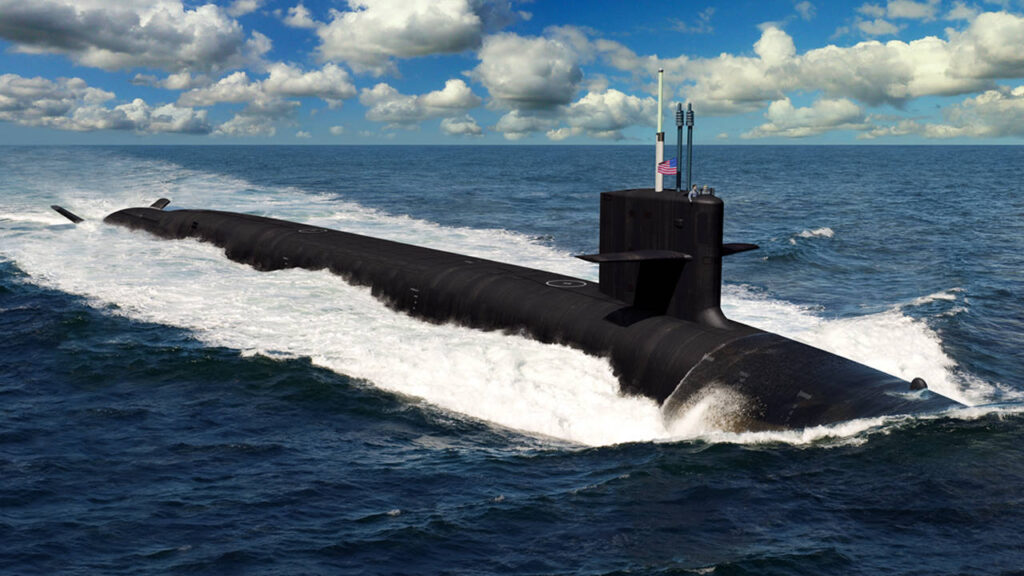
An artist’s rendering of the Columbia class of submarines, currently under construction. GENERAL DYNAMICS

GROTON, Conn. — General Dynamics Electric Boat announced Dec. 21 the U.S. Navy has awarded a $5.1-billion modification of the previously awarded Columbia Integrated Product and Process Development Contract for the Columbia class of submarines, the nation’s next-generation sea-based strategic deterrent. 

Electric Boat is the prime contractor on the Columbia program, which will replace the aging Ohio class ballistic-missile submarines (SSBNs). The District of Columbia (SSBN 826) and Wisconsin (SSBN 827) are presently under construction. 

The contract modification has a value of $5,134,324,189. Work will be performed in Groton, Connecticut; Quonset Point, Rhode Island; and Newport News, Virginia; and is expected to be completed by October 2030. The award funds advance procurement and advance construction of critical components and material to support Build II (the next five ships in the class), efforts to support continuous missile tube production, enhancements to develop the Submarine Industrial Base, and sustained class maintenance and support.  

“This award enhances Electric Boat’s efforts to maintain the Columbia-class production and delivery schedule. Advance procurement of long lead time materials and component construction is critical to the program, and the strategic investments in the development and expansion of the Submarine Industrial Base will help stabilize and grow the supply chain, which increases manufacturing capacity, reduces risk and ultimately drives timely delivery of submarines to the Navy,” said Kevin Graney, president of General Dynamics Electric Boat. 

At 560 feet long with a displacement of nearly 21,000 tons, the submarines of the Columbia class will be the largest ever built by the United States. Ships of the Columbia class will have a fuel core that will power the submarine for its entire service life, eliminating the need for a mid-service refueling. Electric Boat will deliver the lead ship to the Navy in 2027.


USNS Comfort Completes 12th Iteration of Continuing Promise 2022

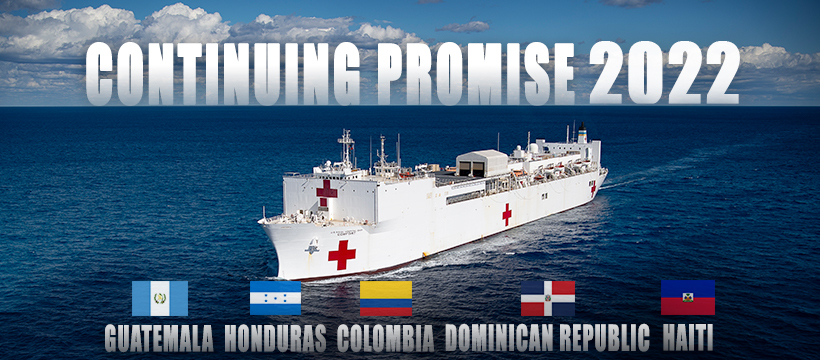
A graphic depicting hospital ship USNS Comfort (T-AH 20) and the flags and names of all the countries the ship visited during Continuing Promise 2022. U.S. NAVY / Mass Communication Specialist 2nd Class Ethan J. Soto

NORFOLK, Va. — The hospital ship USNS Comfort (T-AH 20) returned to its homeport in Norfolk, Virginia, concluding Continuing Promise, Dec. 21, 2022, said Mass Communication Specialist 3rd Class Deven Fernandez, U.S. Naval Forces Southern Command / U.S. 4th Fleet, in a release. 

The Continuing Promise 2022 team worked collectively with participating host and partner nations to enhance regional interoperability and disaster response capabilities, increase security and stability in the region, and foster new and enduring friendships in Caribbean, Central and South American region. 
 
Comfort visited Guatemala, Honduras, Colombia, Dominican Republic and Haiti throughout the mission. The crew aboard Comfort included U.S. military and civilians, more than a dozen non-governmental organizations and military members from Brazil, Canada, Chile, Colombia, Dominican Republic, Ecuador, Honduras, Netherlands and United Kingdom. 
 
Continuing Promise 2022 saw more than 13,000 patients, participated in more than 25 subject matter expert exchanges, conducted five humanitarian assistance and disaster relief workshops, shared in 18 Women, Peace and Security initiative events and partook in 11 community relations engagements. 
 
“I am so delighted to have shared this remarkable experience with the men and women of the Continuing Promise 2022 team,” said Capt. Kathryn Elliott, commanding officer of the Medical Treatment Facility aboard the hospital ship USNS Comfort (T-AH 20). “We overcame adversity to provide medical care to the community in these host nations. Along the way we learned so much from our partners. The exchange of information that took place was vital to building upon our long-lasting relationships with the countries of this region. This is Comfort’s mission and a true continuing promise.” 
 
Over the course of the 2-month mission, there were many accomplishments by the Comfort team. Here are a few of the highlights from Continuing Promise 2022. 
 
Puerto Barrios, Guatemala 
Oct. 26 – Oct. 31 
• 44 surgeries conducted 
• 2,957 prescriptions filled 
• 7 concerts performed by the U.S. Fleet Forces band 
• Pediatric cardiology care provided, which is not available in the area 
• Provided life changing surgeries, such as receiving full use of hands 
 
Puerto Cortes, Honduras 
Nov. 1 – Nov. 7 
• 23 surgeries conducted 
• 3,350 prescriptions filled 
• 7 concerts performed by the U.S. Fleet Forces band 
• Held refresher course of BLS for the volunteers at the Red Cross 
• Refurbished local school in Puerto Cortes 
 
Cartagena, Colombia 
Nov. 11 – Nov. 20 
• 143 surgeries conducted 
• 7,012 prescriptions filled 
• 6 concerts performed by the U.S. Fleet Forces band 
• Refurbished local school by adding a new coat of paint 
• Supported embassy in the handover of materials to local community 
Santo Domingo, Dominican Republic 
 
Nov. 27 – Dec. 6 
• 87 surgeries conducted 
• 7,446 prescriptions filled 
• 137 patients received physical therapy treatment 
• 209 X-Rays taken 
• 78 Ultrasounds performed 
 
Jeremie, Haiti 
Dec. 11 – Dec. 17 
• 14,012 prescriptions filled 
• 1,035 patients seen 
• 55 pallets of medical supplies and other goods donated 
 
Since its inaugural mission in 2007, Continuing Promise missions have treated more than 595,000 patients and conducted over 7,250 surgeries in the region. The successful completion of the mission marks the end of the 12th Continuing Promise. 
 
U.S. Naval Forces Southern Command/U.S. 4th Fleet supports U.S. Southern Command’s joint and combined military operations by employing maritime forces in cooperative maritime security operations to maintain access, enhance interoperability and build enduring partnerships in order to enhance regional security and promote peace, stability and prosperity in the Caribbean, Central and South American region. 


USCGC Hamilton Returns Home after Historic Sixth Feet Deployment

The U.S. Coast Guard Cutter Hamilton (WMSL 753) moors to the pier in North Charleston, South Carolina, Dec. 21. U.S. COAST GUARD / Petty Officer 2nd Class Brandon Hillard

NORTH CHARLESTON, S.C. — The crew of U.S. Coast Guard Cutter Hamilton (WMSL 753) returned to their homeport Dec. 21 in North Charleston following a 94-day deployment in the U.S. Naval Forces Europe – Africa area of operations, the Coast Guard Atlantic Area said in a release.   

Hamilton’s crew operated in support of the U.S. Sixth Fleet and was tasked to defend U.S., allied and partner interests.  

Hamilton began its deployment with a transatlantic voyage to Rota, Spain and met with operational commanders from U.S. Sixth Fleet. After Spain, the cutter transited through the English Channel and Danish Straits, two vitally significant waterways that provide safe passage for 15% of the world’s shipping.  

Immediately upon entering the Baltic Sea region, Hamilton conducted at-sea exchanges with naval, coast guard and border guard forces of multiple Baltic Sea allies and partners, including Sweden, Finland, Estonia, Latvia and Lithuania. Each engagement was oriented to support either traditional Coast Guard missions or in combination with defense readiness exercises used to enhance interoperability between the U.S. and NATO partners.  

As the first U.S. military vessel to visit Turku, Finland in over a decade, Hamilton hosted public tours of the cutter and held a reception for U.S. and Finnish government and military leaders. Guests included the U.S. Ambassador to the Republic of Finland, the deputy chief of the Finnish Border Guard, the state secretary of the Ministry of Interior and the mayor of Turku. The visit also served to reinforce the long-standing partnership between the Finnish Border Guard and the U.S. Coast Guard.   

Additionally, Hamilton is the first U.S. Coast Guard cutter to visit Riga, Latvia in more than 20 years. The crew met with the U.S. ambassador to Latvia and hosted a reception on board Hamilton for members of Latvia’s navy and coast guard to include the Latvian navy’s chief of staff and the commander of the Latvian coast guard. Hamilton also served as a backdrop to Latvia’s 104th Freedom Day celebration alongside NATO forces.   

“It was an honor to grow the relationship between the United States and our Baltic Sea allies and partners during engagements both at sea and in port,” said Capt. Matthew Brown, commanding officer of Hamilton. “By working side by side with our current and future NATO allies, we learned just how much we have in common, and we were left with a stronger appreciation for our shared values. I could not be more proud of this crew’s hard work and sacrifice while serving as the United States’ representatives in the Baltic.”  

Hamilton’s deployment demonstrated the strategic value of conducting meaningful at-sea engagements, subject matter exchanges and port visits with allies and partners in the high northern latitudes and Baltic Sea region. The U.S. maritime services regularly operate with partner nations to cultivate a cohesive force to maintain freedom of the seas, ensure free economic exchange and maintain maritime security.  

“The U.S. Coast Guard is a proud and capable partner of the U.S. Joint Forces serving in the Europe and Africa areas of operations,” said Vice Adm. Kevin E. Lunday, commander of Coast Guard Atlantic Area. “We will continue to build maritime domain awareness and share best practices with our partner nations’ navies and coast guards.”    

Hamilton is a 418-foot, Legend-class national security cutter with a crew of 160. With its robust command, control, communication, computers, intelligence, surveillance and reconnaissance equipment, the NSC is the most technologically advanced ship in the Coast Guard’s fleet. NSCs are a worldwide deployable asset that supports the Department of Homeland Security, Department of Defense and national objectives to include drug interdiction, migrant interdiction, national defense, search and rescue, fisheries enforcement and national intelligence collection.


USCGC Vigorous Returns Home after a 48-day Multi-Mission Patrol

U.S. Coast Guard Cutter Vigorous moored at home port in Virginia Beach, Virginia Dec. 21, 2022. Vigorous is a 210-foot, Reliance-class medium endurance cutter with a crew of 74. U.S. COAST GUARD / Petty Officer 3rd Class Kate Kilroy

VIRGINIA BEACH, Va. — The crew of the U.S. Coast Guard Cutter Vigorous (WMEC 627) returned to their homeport in Virginia Beach Dec. 21, following a 48-day patrol in the Northern Caribbean Sea, the Coast Guard Atlantic Area said in a release. 

In support of the Coast Guard’s Seventh District, Vigorous’ crew conducted maritime safety and security missions as they responded to the historically high migration activity and remained prepared to interdict and disrupt the flow of illegal narcotics in the South Florida Straits and Windward Pass.  

During the patrol, Vigorous traveled more than 8,000 miles and contributed to the safe transfer of more than 500 Cuban nationals. Vigorous worked with numerous Coast Guard assets, U.S. Customs and Border Protection boats and good Samaritan vessels to detect, deter and intercept unsafe and illegal ventures bound for the United States. 

“The Vigorous crew’s remarkable professionalism, competence and determination were on full display as we met the diverse challenges of operations at sea,” said Cmdr. Ryan Waters, commanding officer of Vigorous. “Whether executing days of small boat operations late into the night or rendering assistance to mariners on a disabled vessel, the Vigorous crew exceeded expectations at every turn. After a successful patrol, we look forward to returning home to our family and friends on shore.” 

Vigorous is a 210-foot, Reliance-class medium-endurance with a crew of 74. The cutter’s primary missions are counter-drug operations, migrant interdiction, enforcing federal fishery laws and search and rescue in support of U.S. Coast Guard operations throughout the Western Hemisphere.


UK Chief of Defence Staff Highlights Maritime Context Within Defense Review Refresh

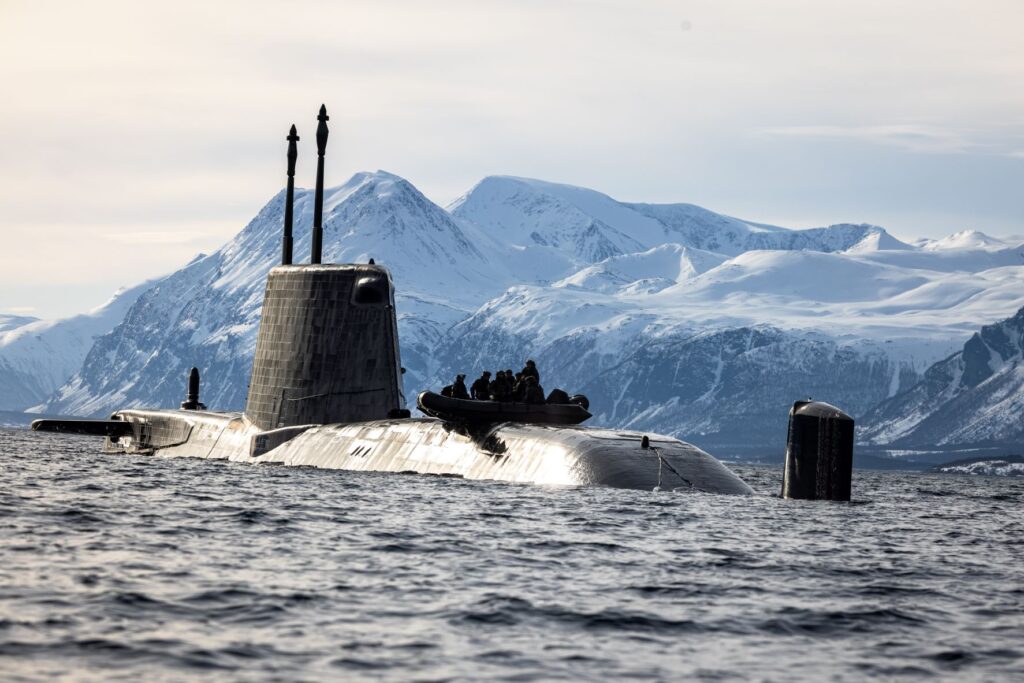
A Royal Navy Astute-class submarine deploys Royal Marines raiding forces during an exercise in Norwegian waters in early 2022. With NATO growing its North Atlantic naval presence, the United Kingdom’s impending refresh of its 2021 Integrated Review may enable the United Kingdom to consider increasing its submarine force levels. U.K. MINISTRY OF DEFENCE

LONDON — As the United Kingdom adapts to the consequences of conventional war in Europe and wider emerging security challenges, it is preparing to refresh its 2021 Integrated Review (IR) of defense, security and foreign policy. The United Kingdom has already delivered on several naval capability developments outlined in the IR. However, an ‘IR Refresh’ may enable the United Kingdom to enhance certain elements of its naval force posture. 

These themes were discussed by U.K. Chief of Defence Staff (CDS) Adm. Sir Tony Radakin, in the annual CDS lecture at the Royal United Services Institute, London on Dec. 14. 

Radakin pointed to three premises in the global security situation: that current times are “extraordinarily dangerous”; that these “extraordinary times call for an extraordinary response,” which is being delivered and is countering Russia’s aggression in Ukraine; and that the response to the Ukraine war has reinforced U.K. requirement to retain a global outlook. 

In the Ukraine war, focus falls on land operations. However, Radakin outlined the wider maritime context. Russian naval losses have been significant, with 12 ships (including a capital ship, the Slava-class cruiser Moskva) lost at sea or in port. In return, NATO has become stronger at sea, with Radakin noting the “hard power amassed” in the North Atlantic.  

The 2021 IR identified Russia as an acute threat and China as an emerging challenge, Radakin said. However, he added, “what has happened is that events of the past year have trended towards the most negative scenarios we envisaged in the IR.” 

Reflecting Western focus on high-end conventional warfare as a consequence of conflict in Ukraine, Radakin explained that the United Kingdom has delivered several significant naval capability developments since the IR. “We’ve placed the contract for the second batch of Type 26 frigates, and for the Naval Strike Missile [NSM]. The Fleet Solid Support [FSS] Ship program is moving forward, and we’ve purchased a new Multi-Role Ocean Survey Ship [MROSS] to protect our critical underwater infrastructure.” 

November was a busy month for the Royal Navy (RN). The contract was awarded for the second Type 26 batch, comprising the final five hulls of the eight-ship class. The United Kingdom announced that 11 RN ships — a mix of Type 23 frigates and Type 45 destroyers — will receive an NSM fit, with three fitted in time for operational deployment within 12 months. The United Kingdom also down-selected an FSS supplier. 

Progress will continue into early 2023, when the RN is scheduled to receive the first of two MROSS vessels. 

The ‘IR Refresh’ will have to address continuing challenges with Russia, but should maintain a global perspective, Radakin argued. Tackling the threats facing the United Kingdom, the review would also present opportunities. 

Radakin pointed to the September 2021 Australia/UK/US (AUKUS) accord, at the core of which is building a nuclear-powered attack submarine (SSN) capability for Australia. This may enable the United Kingdom to re-assess its own SSN force level, Adm Radakin explained. “If we have the courage to do this properly, then it’s also the means to strengthen the resilience of our own nuclear enterprise and grow our submarine numbers in the decades to come,” he said. “This will benefit our contribution to NATO as well as our presence in the Indo-Pacific.” 

The ‘IR Refresh,’ Radakin continued, “[is] about thinking big: accelerating the transformation of the armed forces to become even more lethal and integrated; maximising the capabilities that offer a decisive advantage; being even more global in our outlook.” 

To deliver this global outlook, Radakin asked, “might it mean a British carrier regularly deployed in the Indo-Pacific at the heart of an allied strike group?”


Naval Postgraduate School and Stanford University Formalize Partnership to Address Global Climate Change, Energy Security and Sustainability

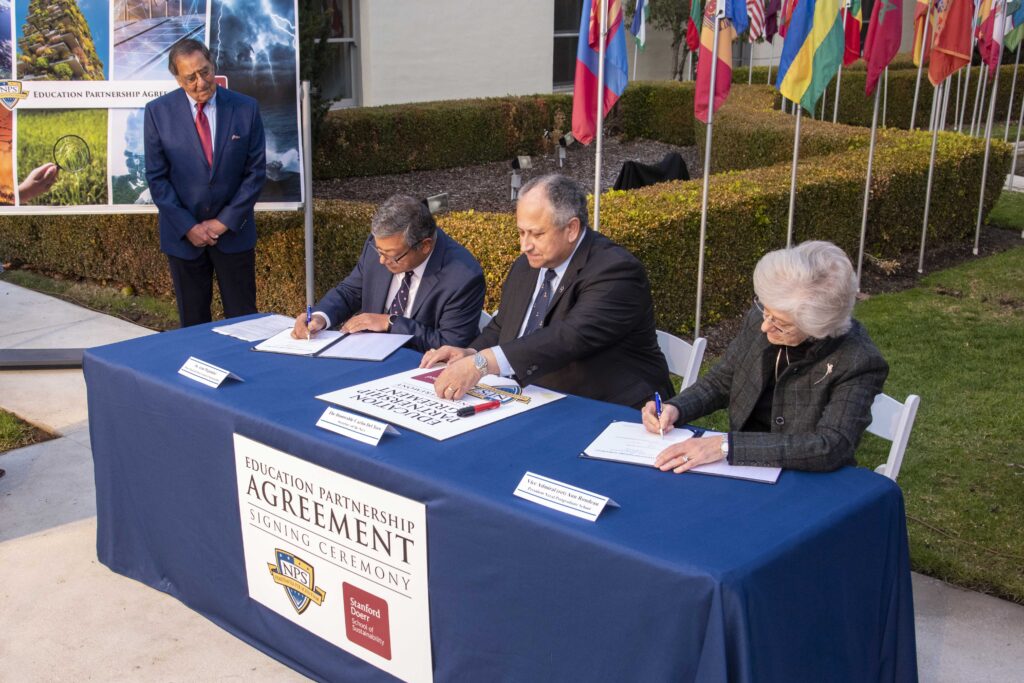
Secretary of the Navy Carlos De Toro was on hand for the signing of an Education Partnership Agreement between the Naval Postgraduate School (NPS) and the Stanford Doerr School of Sustainability on Dec. 15. U.S. NAVY / Javier Chagoya

MONTEREY, Calif. — The Naval Postgraduate School (NPS) and Stanford University Doerr School of Sustainability have created a formal partnership to address the challenging issues of global climate change, energy security and sustainability. 

The announcement was made on Dec. 15 at the NPS campus in Monterey, California. 

The Education Partnership Agreement (EPA) was signed by NPS President Vice Adm. (ret.) Ann E. Rondeau and Dr. Arun Majumdar, dean of the Doerr School of Sustainability, during a ceremony that was presided over by Secretary of the Navy Carlos Del Toro. 

“Bold climate action is a mission imperative for the Department of the Navy, and we must harness all of the tools at our disposal in order to make urgently needed change,” said Del Toro. “This collaboration between the Naval Postgraduate School and Stanford University will bring together two globally recognized hubs of research and innovation, focused on realizing solutions that our Navy and our nation can employ now and in the future.” 

According to a press release from NPS, the Navy’s climate strategy highlights two major performance goals in its response: building climate resilience and reducing climate threats. But, the release said, it also underlines the importance of leveraging and empowering the education of Sailors and Marines to meet the challenges of climate and energy security and sustainability through knowledge and innovation. 

“The combination of expertise, operational experience, education and entrepreneurship in this partnership with Stanford and their Doerr School of Sustainability is truly unique and a powerful contribution to the global climate challenges ahead of us all,” said Rondeau. 

The NPS Climate and Security Network (CSN) brings together the school’s collective expertise on climate security and creates opportunities for interdisciplinary collaboration and information sharing. Through the CSN’s efforts, NPS student and faculty have contributed to the development of key climate strategies and plans within the Department of Defense and conduct research to inform future force design, force generation and deployment considerations. 

The Doerr School is a new addition to the Stanford campus. Launched in May 2022, the school works with local and global collaborators to understand the challenges of climate change and find solutions that can be executed with impact at scale. The school includes multiple academic departments, including the Woods Institute for the Environment and the Precourt Institute for Energy; a sustainability accelerator to drive policy and technology solutions at scale; and a newly established Oceans Department located at the Hopkins Marine Station in Monterey.  

Academic collaboration and research partnerships between NPS and Stanford are not new. Both schools have partnered on research efforts, leveraging each other’s strengths as well as their proximity in Northern California — the schools are 90 minutes apart by car.  

Under the partnership agreement, NPS and the Doerr School of Sustainability will conduct joint research with the CSN and other NPS departments and groups, including the Energy Academic Group, Center for Infrastructure Defense, Meteorology, Oceanography, National Security Affairs, Defense Management and Engineering to investigate climate security, energy security, sustainability and more. 


Naval Medical Research Center Begins Phase 1 Testing of Diarrhea Vaccine

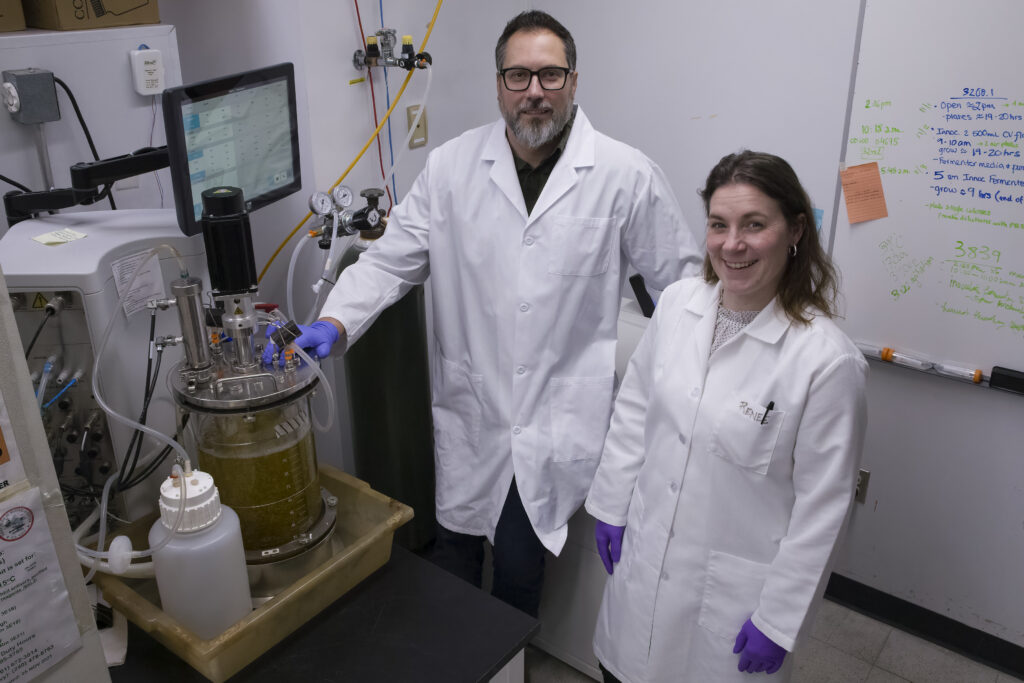
Dr. Frederic Poly and Dr. Renee Laird, research scientists with Naval Medical Research Center (NMRC), pose for a photo in the Enteric Diseases laboratory. NMRC’s Enteric Diseases Department, led by Poly, have partnered with the National Institute of Health’s National Institute of Allergy and Infectious Diseases to begin phase 1 testing of a new vaccine for Campylobacter jejuni, a foodborne pathogen. U.S. NAVY / Michael Wilson

SILVER SPRING, Md. — Researchers with Naval Medical Research Center (NMRC)’s Enteric Diseases Department have partnered with the National Institute of Health’s National Institute of Allergy and Infectious Diseases to begin phase 1 testing of a new Campylobacter jejuni vaccine, NMRC announced in a Dec. 19 release. 
 
Campylobacter jejuni, a foodborne pathogen, is one of the most common causes of diarrheal illness in the U.S. and abroad, and can impact readiness of deployed or traveling service members. 
 
Phase 1 testing, currently underway at Cincinnati Children’s Hospital Medical Center, focuses on the safety and best means of Campylobacter vaccine delivery. Researchers will vaccinate 60 patients in total as part of Phase 1 testing. This first phase of testing is expected to continue through the end of 2023. 
 
Phase 2 testing will involve vaccinating groups of adults with a dose of the vaccine determined in phase 1, to determine its effectiveness in protecting against Campylobacter. NMRC researchers expect to begin phase 2 testing by 2025 at the earliest, depending on funding and the facilities available. 
 
Diarrhea is a frequently occurring illness during military operations, despite modern preventive medicine efforts. The impact of severe diarrhea can be debilitating and impair a service member’s ability to do their job. Acute diarrheal illness during deployment is commonly responsible for loss of duty days, negatively affects mission readiness and may be fatal in the worst cases. 
 
“With really infectious diarrhea, you get cramping, and if you have cramps, you can’t really operate,” said Dr. Frederic Poly, head of NMRC’s Enteric Diseases Department, who has been involved with the project since 2005. “You can develop a fever; you’re going to get dehydrated and you’re going to lose cognitive perception. These are all symptoms that will negatively impact how you function.” 
 
Following recovery from initial infection and bouts of diarrhea, individuals can still experience long-term effects of infection. 
 
“With Campylobacter, there’s potential downstream effects, like irritable bowel syndrome or Guillain-Barré syndrome, which can lead to respiratory and neurological issues,” noted Lt. Yuliya Johnson, a microbiologist with NMRC. “It doesn’t happen to everyone, but there is still an associated risk we hope to mitigate by developing a vaccine.” 
 
According to Poly, this vaccine will be the first developed for use against Campylobacter, and if successful, has the potential to benefit civilian and pediatric populations as well. Vaccination at a young age can curb developmental issues caused by diarrhea that might otherwise affect physical and mental development in children. 
 
Poly, NMRC’s most recent senior civilian of the quarter for science, leads the NMRC Enteric Diseases Department. The department, composed of 23 full time microbiologists, molecular biologists, biochemists and immunologists, researches treatments for the prevention of infectious bacterial diarrhea. 
 
This past year, the department completed development and clinical evaluation of a prophylactic against another military relevant enteric pathogen, ETEC (enterotoxigenic E. coli). The enteric diseases lab is also working on the development of an oral prophylactic to prevent infection from several other intestinal pathogens. 
 
NMRC and its commands are engaged in a broad spectrum of activity from basic science in the laboratory to field studies in austere and remote areas of the world to investigations in operational environments. In support of the Navy, Marine Corps and joint U.S. warfighters, researchers study infectious diseases, biological warfare detection and defense, combat casualty care, environmental health concerns, aerospace and undersea medicine, medical modeling, simulation, operational mission support, epidemiology and behavioral sciences. 


Lack of Crew Keeping New Zealand Naval Vessels at the Pier

ARLINGTON, Va. — The Royal New Zealand Navy has tied up three of its nine ships due to crew shortages. 

279-foot offshore patrol vessels titled the HMNZS Wellington and HMNZS Otago and 180-foot inshore patrol vessel HMZNS Hawea are in docked at the Devonport Naval Base because there aren’t enough Sailors to operate and maintain the ships. 

Wellington, which reportedly returned early from a scheduled three-month deployment in November because of manpower shortages, is the latest ship to be taken from service and placed in a “care and custody” status. 

Wellington and Otago have crews of 50 personnel and perform missions similar to U.S. Coast Guard medium endurance cutters. The Hawea has a crew of 27, and is similar in size and mission to U.S. Coast Guard fast response cutters. 

Personnel from the three ships have been reassigned to other ships in the New Zealand fleet to keep them operational. No date has been set to return the ships to full duty. One of the causes for the attrition is competition from better paying jobs. Officials have cited a “widening gap between our sailor remuneration and what the highly competitive job market is offering.” 

As the U.S. and its allies and partners in the Indo-Pacific Region counter China’s growing economic and military posture in the region, the need for the presence of naval and coast guard ships becomes more acute. With 15,000 personnel, New Zealand’s defence force is not large by regional standards, but it does provide search and rescue coverage for a large part of the South Pacific, and provides vital support to smaller nations in Oceania. Having fewer ships available makes the job even harder. 


HII Begins Fabrication of Amphibious Assault Ship Fallujah

HII has started fabrication of the future USS Fallujah. HII

PASCAGOULA, Miss. — HII’s Ingalls Shipbuilding division started fabrication of the U.S. Navy’s newest amphibious assault ship Fallujah (LHA 9) on Dec. 19, the company said in a Dec. 20 release. The start of fabrication signifies that the first 100 tons of steel have been cut for the ship and that the shipyard is ready to move forward with the construction of the ship.  

“Our shipbuilders are proud of the work they do for the security of our nation and for our Navy and Marine Corps customers,” said Eugene Miller, Ingalls Shipbuilding LHA program manager. “The start of fabrication on Fallujah is a significant milestone in the construction of this large-deck amphibious ship and demonstrates our ability to maintain a sustained LHA production line at Ingalls.”  

For nearly 50 years, Ingalls has built large-deck amphibious assault ships and is the sole shipbuilder for amphibious ships. Ingalls has delivered 15 large-deck ships, including the Tarawa-class, LHA 1-5; the Wasp-class, LHD 1-8; and most recently the America-class, LHA 6 and LHA 7. The third of the America class, Bougainville (LHA 8), is currently under construction.  

The America class is a multi-functional and versatile ship that is capable of operating in a high density, multi-threat environment as an integral member of an expeditionary strike group, an amphibious task force or an amphibious ready group.  

In October, Ingalls was awarded the $2.4 billion U.S. Navy fixed-price-incentive contract for the detail design and construction of Fallujah. Similar to Bougainville, Fallujah will retain the aviation capability of the America-class design while adding the surface assault capability of a well deck and a larger flight deck configured for F-35B Joint Strike Fighter and MV-22 Osprey aircraft. These large-deck amphibious assault ships also include top-of-the-line medical facilities with full operating suites and triage capabilities.