HEADQUARTERS, MARINE CORPS – The Commandant of the Marine Corps, Gen. Eric M. Smith, has returned to full duty status after recovering from an October 29 cardiac arrest.
He resumed his full duties and authorities as the Commandant effective March 5, 2024.
The Assistant Commandant of the Marine Corps, Gen. Christopher J. Mahoney, who has been performing the duties of Commandant since November 3, continues to serve in his role as Assistant Commandant.
General Smith and his family appreciate the full support of Congress, the leadership at the Department of Defense, Department of the Navy, the Joint Force, and all who extended them their well wishes during his recovery.
SECNAV Del Toro Travels to the Indo-Pacific to Further Maritime Cooperation, Explore Opportunities to Enhance Naval Capabilities
24 February 2024
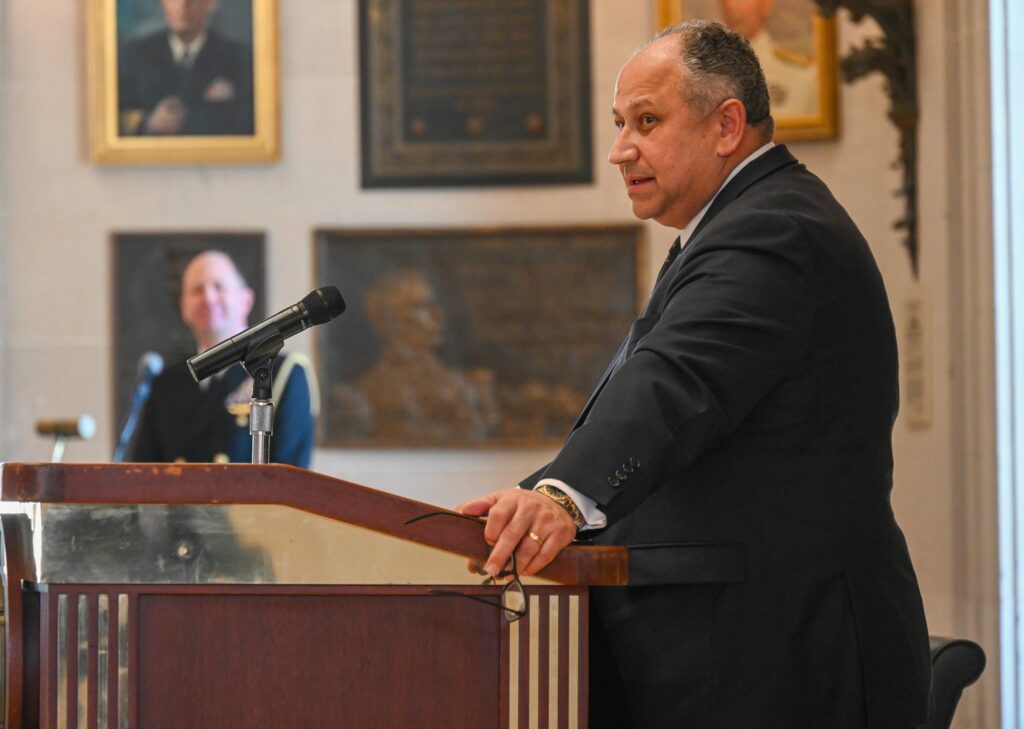
Secretary of the Navy Carlos Del Toro travels to the Indo-Pacific to meet with allies and partners to further maritime cooperation, explore opportunities to collaborate with the Republic of Korea (ROK) and Japan on commercial and Naval shipbuilding, and engage with Sailors, Marines, and Department of the Navy (DON) civilians forward deployed to the region.
He will also travel to Palau for a series of strategic engagements on the expanding relationship with that critically important Compact of Free Association (COFA) state.
Secretary Del Toro will meet with government officials in ROK and Japan to reaffirm the DON’s long-standing partnership and iron clad commitment to each. He will engage with key shipbuilding industry executives in the ROK and Japan and will tour the world’s most technologically advanced and productive shipyards to observe the power of integrated commercial and naval shipbuilding and its potential for reviving America’s maritime industrial shipbuilding capabilities and capacity.
“We’re extremely thankful to both the ROK and Japan for being the great allies that they are,” said Secretary Del Toro. “We have a responsibility to have these conversations now to see how we can advance our interoperability and leverage the capabilities and capacities of our collective domestic industrial capabilities in peacetime or if necessary, during conflict.”
The visit to three states critical to the protection of the maritime commons is part of Secretary Del Toro’s Maritime Statecraft efforts to revive the maritime power of the nation’s shipbuilding and maintenance. It comes on the heels of a visit to New York City, Feb. 22, where he announced the creation of the Maritime Economic Deterrence Executive Council (MEDEC), which is focused on mitigating adversarial foreign investment risks, innovation and technology.
The trip aligns with the Pentagon’s recently released National Defense Industrial Strategy, which calls for venture capital and new ideas to revive the U.S. industrial base.
Pacific Marines, Philippine Marines Meet for Annual Staff Talks
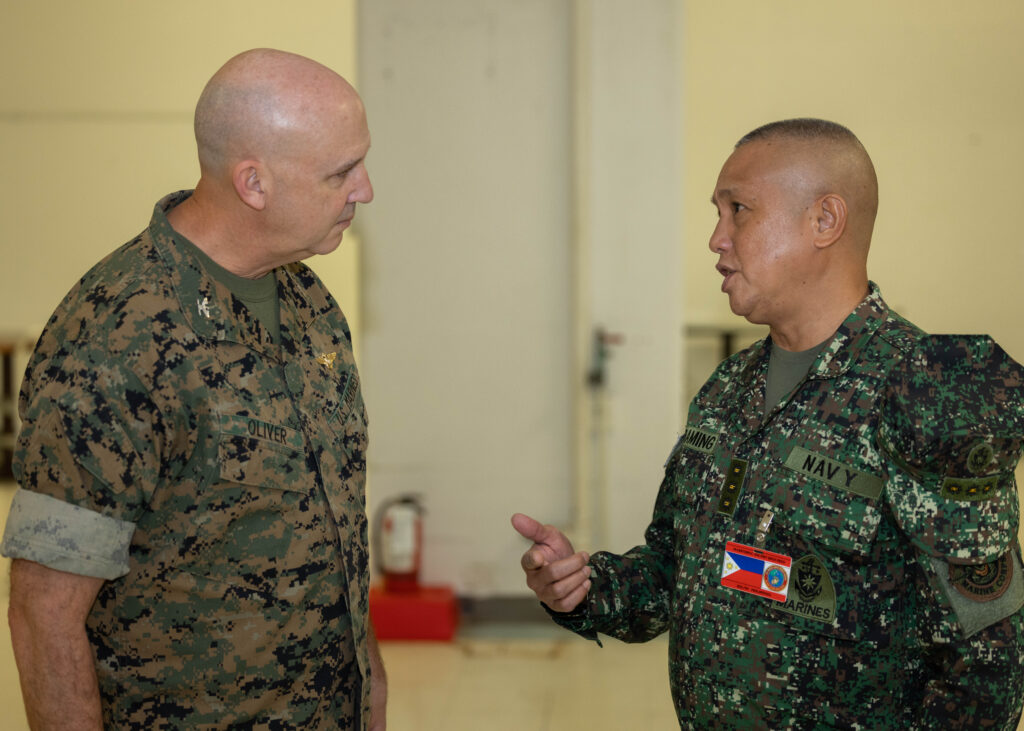
U.S. Marine Corps Col. Christopher Oliver, left, assistant chief of staff, G-5, U.S. Marine Corps Forces, Pacific, and Philippine Marine Corps Col. Bayani Curaming, Chief of Philippine Marine Staff, have a conversation during staff talks on Camp H.M. Smith, Hawaii, Feb. 13. U.S. Marine Corps | Lance Cpl. Matthew Benfield
CAMP H.M. SMITH, Hawaii – Senior leaders from U.S. Marine Corps Forces, Pacific, and the Philippine Marine Corps held their annual Marine-to-Marine Staff Talks here from Feb. 12 to 15.
The annual Marine-to-Marine Staff Talks are a key component of the U.S.-Philippine defense relationship. They serve as a forum for senior military leaders to exchange views on regional security issues and enhance bilateral cooperation. The discussions from this week further reinforce the strong and enduring bond between both nations and their commitment to regional stability and security.
“The importance of integrating our militaries cannot be overstated,” stated Marine Corps Brigadier General Daniel L. Shipley, deputy commander of U.S. Marine Corps Forces, Pacific. “Regular discussions, such as these staff talks, and consistent engagement during exercises like Balikatan and KAMANDAG, are key reasons why we are able to come together to rapidly support each other as we are currently doing in Mindanao in response to the flooding.”
The annual event emphasized the significance of the U.S.-Philippine military relationship and provided an opportunity to collaborate on common interests. During the three-day meeting, leaders from both militaries discussed a variety of topics including recent experiences with amphibious operations, methods of modernizing training, and advancing capabilities to remain ready and responsive in the Indo-Pacific region.
This year’s iteration focused heavily on the development of the Republic of the Philippines-U.S. Mutual Defense Board-Security Engagement Board cycle and development of an assessment model for current and future engagements. The MDB-SEB cycle enhances defense cooperation between the two countries, while the assessment model will enhance improvements to the readiness and capability of both forces. This process helped compile a list of events for 2025 that will serve as a foundation for the rest of the MDB-SEB cycle.
Representatives participating in the PMC-MARFORPAC Staff Talks discussed future exercises meant to strengthen interoperability between the two services. Militaries from both countries regularly participate in a variety of activities and exercises, such as Balikatan and KAMANDAG, to mutually develop their defense capabilities while aligning to common goals shared between both nations.
During the opening program, the Head of the Philippine Marine Corps delegation, Col. Bayani V. Curaming, the Chief of Marine Staff, PMC, emphasized that “everything about bilateral engagements between the two Marine Corps should be contextualized and in-sync with realization of the Archipelagic Defense and the Marine Corps’ Strategic Posturing that goes with it.”
The U.S. and the Philippines have a long-standing diplomatic relationship dating back to 1951, with the signing of the Mutual Defense Treaty, which serves as the foundation for close security cooperation. More than 70 years later, the two nations continue to work closely together towards common goals based on shared values and interests in the region.
Three-Star Command Lands in Norway for Exercise Nordic Response 24
By II MEF Communication Strategy and Operations, Feb. 15. 2024
On February 12th, the vanguard of the U.S. Marine Corps, II Marine Expeditionary Force (MEF) command element arrived at Bardufoss Air Station, Norway, to participate in NATO’s exercise Nordic Response 24. As the Land Component Command headquarters for the exercise, II MEF’s command element will synchronize operations between the U.S. Marine Air-Ground Task Force, Norwegian Army units and a combined Swedish and Finnish Brigade under a NATO Joint Task Force.
We’re looking forward to exercising with our Norwegian hosts, NATO allies and partners,” remarked II MEF commanding general Lt. Gen. David A. Ottignon. “There’s no place like the Nordic countries to sharpen our warfighting skills.”
Nordic Response 24 is part of the much larger NATO exercise Steadfast Defender 2024, which is expected to involve approximately 90,000 troops across Europe. According to U.S. Army Gen. Christopher Cavoli, NATO’s Supreme Allied Commander and U.S. Europe Command commander, the exercise “will demonstrate our unity, our strength, and our determination to protect each other.”
II MEF’s strategic deployment more than 6,500 kilometers from its home base in the United States demonstrates the reach and mobility of American forces available to defend NATO’s northern flank, if called upon.
“Nothing is easy when you’re operating in several feet of snow, at negative 40 degrees Fahrenheit, surrounded by 5,000-foot mountain peaks,” Ottignon said. “But being a Marine isn’t about doing what’s easy. It’s about being the best and being prepared for the challenges of the future. This exercise in this environment is designed to do just that by building on the grit, skills, and determination within every Marine so they can operate in any clime and place.”
Around 2,500 U.S. Marines will join the exercise alongside NATO allies and Sweden. The goal is to strengthen coordination across air, ground, maritime and other domains into a unified fighting force ready to respond to any threat.
From January to March 2024, the U.S. Marines and their Norwegian counterparts will work hand-in-hand with NATO allies to hone tactics and procedures for winter warfare. Beyond tactical objectives, the exercise signals the steadfast solidarity allies share in defending collective security.
“Norway is special to us. Our countries have been working together for more than a century. II MEF has trained side-by-side, strengthening bonds and operating as one cohesive team in Norway during the last decade of Cold Response exercises,” added Ottignon. “The Arctic is a fluid strategic place. It’s important for our allies to know that we’re here today and we’ll be here when needed to respond swiftly to any threat.”
B-roll, imagery, and news stories of II MEF Marines preparing for exercise Nordic Response 24 ca be found hyperlinked.
Marine Corps Systems Command Announces Organizational Restructuring, Enhancing Force Modernization and Capability Delivery
Feb. 13, 2024
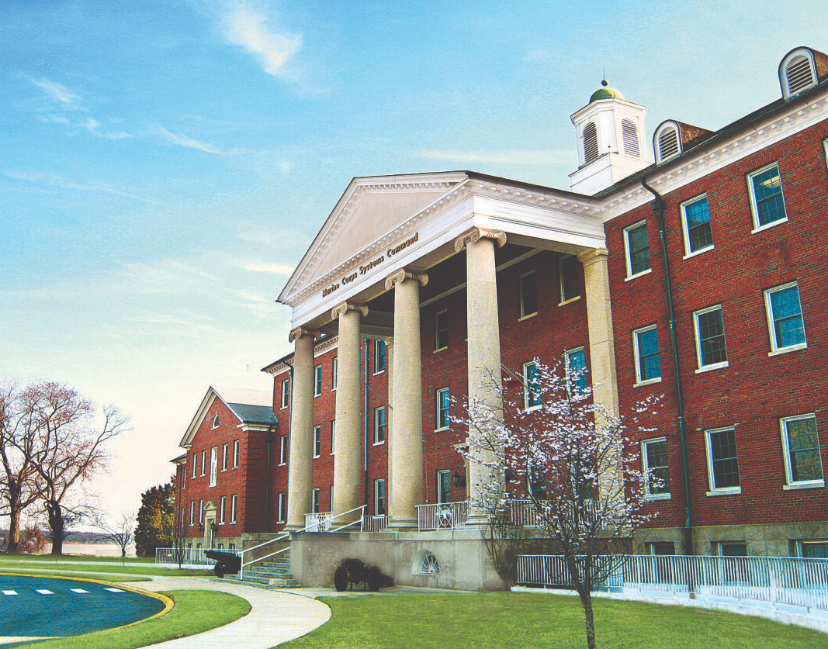
MARINE CORPS BASE QUANTICO, Va.— Marine Corps Systems Command, or MARCORSYSCOM, and Program Executive Officer Land Systems, or PEO LS, are initiating a structural reorganization aimed at modernizing and streamlining operations to enhance the operational capabilities of the Marine Corps.
These changes—modeled after the principles laid out by former Commandant David H. Berger and underscored by current Commandant Eric M. Smith in Force Design, continued guidance from senior leadership, and feedback from across the acquisition community—underscore the Corps’ commitment to modernizing and optimizing operations to reduce bureaucratic delays to program execution.
As recently noted by MCSC commander, Brig. Gen. David C. Walsh, the changes come at a strategically critical moment for the Marine Corps. In an era of renewed great power competition—marked by emerging challenges to the established global order by our nation’s stated adversaries—the need to deliver the capabilities required by Marines to win on the future battlefield becomes imperative.
According to Walsh, “Acquisition programs continue to increase in complexity and accelerate with rapidly evolving technology. As the Marine Corps modernizes to meet these challenges via Force Design, there is a clear imperative to pick up the pace of capability delivery. We will provide the Marines with the right equipment at the right time.”
Ultimately, the changes made aim to boost efficiency and agility by streamlining decision-making processes, harmonizing organizational structures, and strategically aligning programs to enhance warfighting capabilities ahead of the ever-evolving geopolitical landscape.
Similarly, major changes are on the horizon at PEO LS, where targeted realignments and deliberate consolidation will bolster critical modernization efforts associated with integrated command and control as well as combat and tactical vehicle fleet modernization. Key moves include the realignment of light and heavy tactical vehicle programs, the consolidation of intelligence systems and cyber operations and of air and ground command and control systems. This strategic restructuring positions PEO LS to better meet the evolving demands of modern warfare and operational efficiency. According to Mr. Stephen Bowdren, Program Executive Officer Land Systems, “These changes, coupled with complementary initiatives with MCWL and CD&I, are key first steps on a path to a more rapid and responsive Marine Corps acquisition enterprise which is essential to meeting the requirements of Force Design”
Ultimately, this comprehensive restructuring represents a significant step forward in enhancing the Corps’ readiness and responsiveness to the challenges of the future fight. By streamlining processes and aligning resources more closely with strategic priorities, MARCORSYSCOM and PEO LS are poised to accelerate the delivery of critical capabilities to Marines in the field—equipping them to fight and win in any clime or place.
U.S. Marines Deliver Emergency Relief to Mindanao
By III MEF Communications
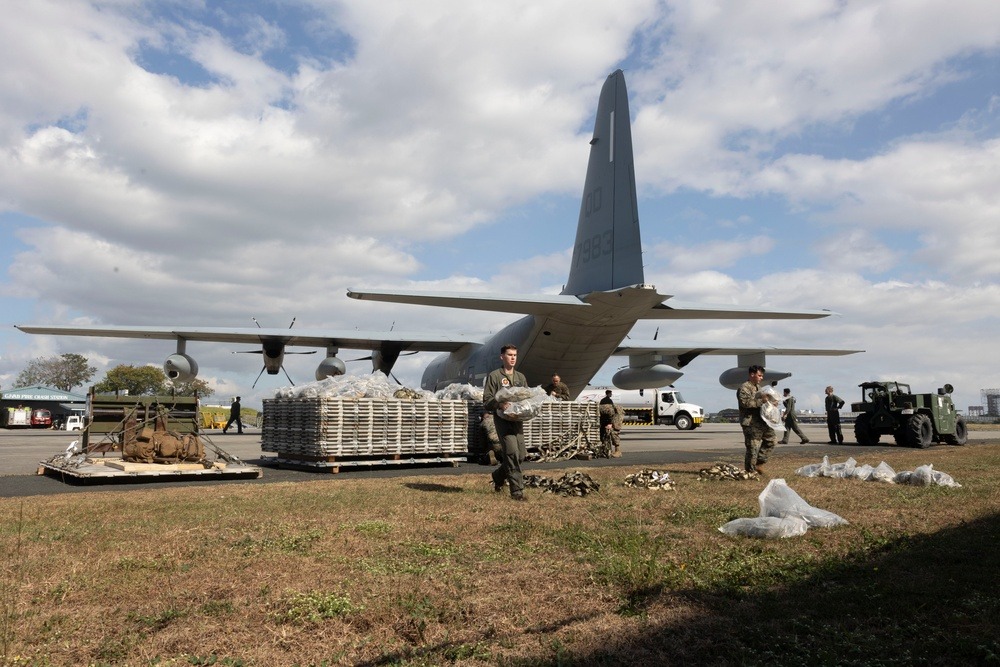
CAMP COURTNEY, OKINAWA, Japan –At the request of the Government of the Philippines, U.S. Marines from III Marine Expeditionary Force will support the U.S. Agency for International Development by providing foreign humanitarian assistance to the ongoing disaster relief mission in Mindanao, Republic of the Philippines, Feb. 12, 2024.
Marines from Marine Aircraft Group 12, 1st Marine Aircraft Wing, will deliver requested supplies to the Armed Forces of the Philippines for distribution using KC-130J Hercules aircraft.
“Support to our Allies and partners, and their people in a time of need, is a non-negotiable,” said U.S. Marine Corps Lt. Gen. Roger Turner, the III MEF commanding general. “Working in direct coordination with the U.S. Agency for International Development and the Government of the Philippines, we stand ready to support those who need urgent assistance.”
The Marine Corps Air Station Iwakuni-based aircraft group will deliver meals for distribution by the Armed Forced of the Philippines in Mindanao. The meals will provide temporary relief while the Republic of the Philippines works to restore essential services.
The forward presence and ready posture of III MEF assets in the region facilitate rapid and effective response to crisis, demonstrating the U.S’s commitment to Allies and partners during times of need.
Due to the nature of the disaster, additional details will be provided once operationally feasible.
3rd MAW Identifies Marines Killed in CH-53E Mishap
MARINE CORPS AIR STATION MIRAMAR, Calif. – (February 9, 2024)
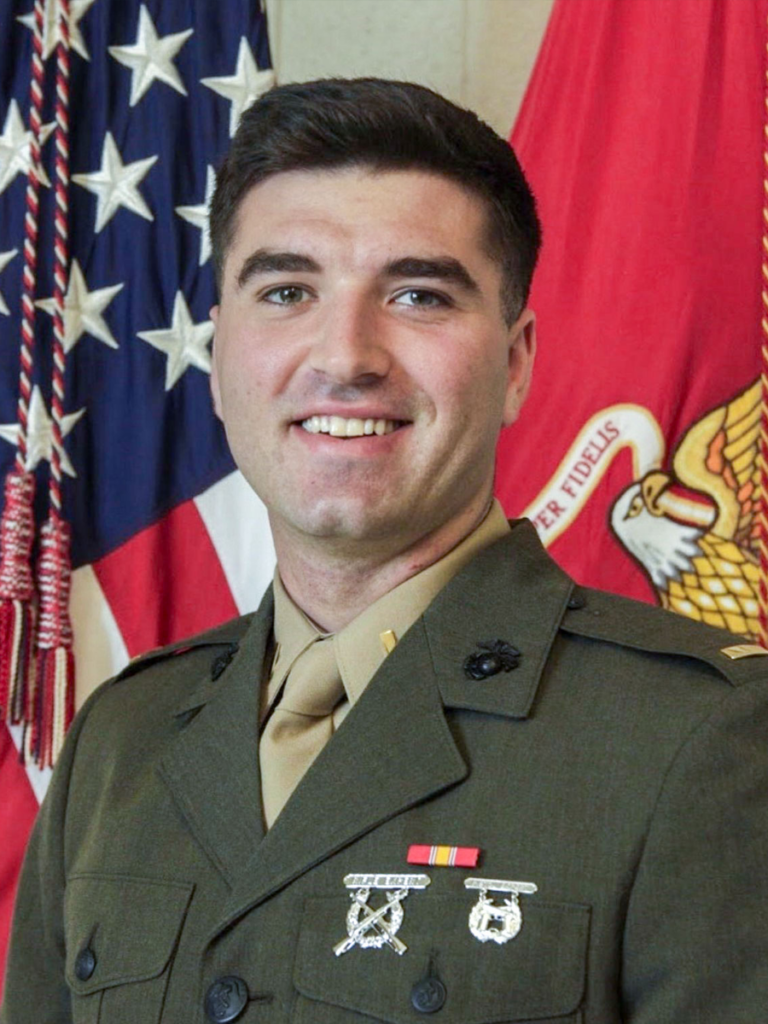
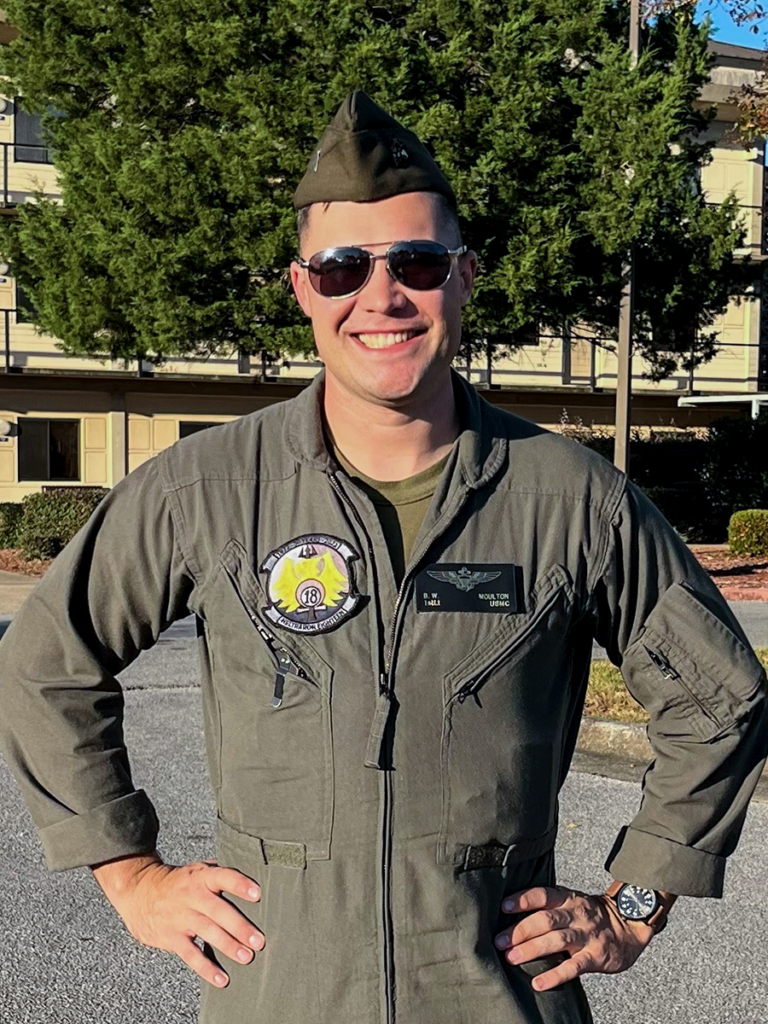
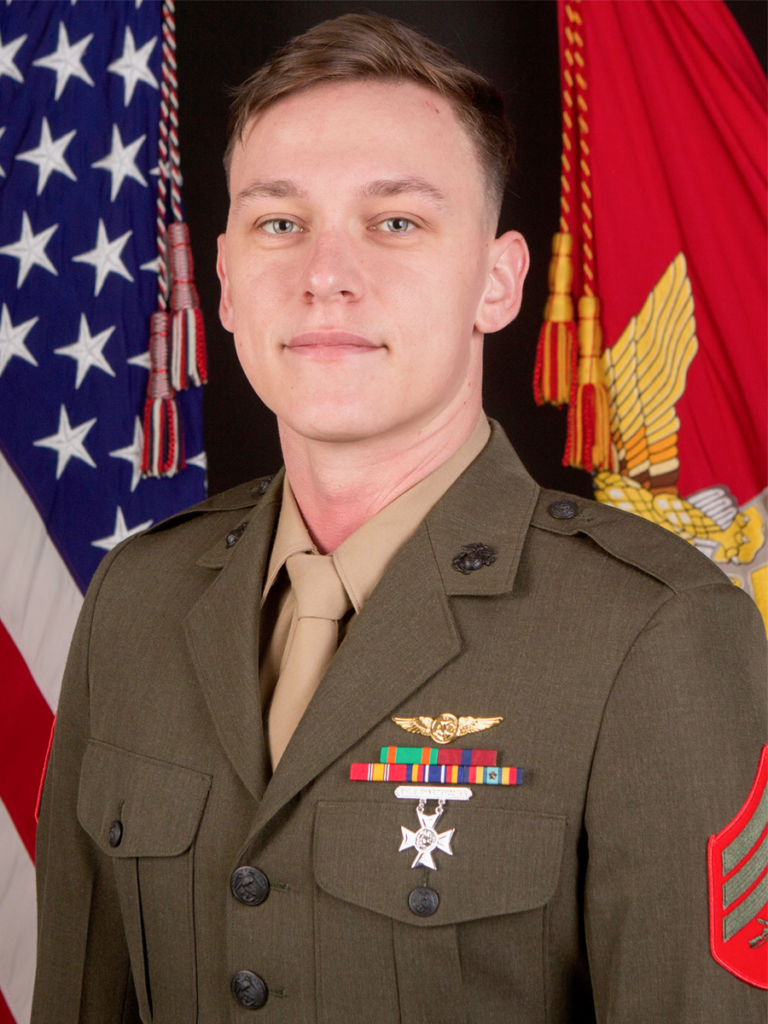
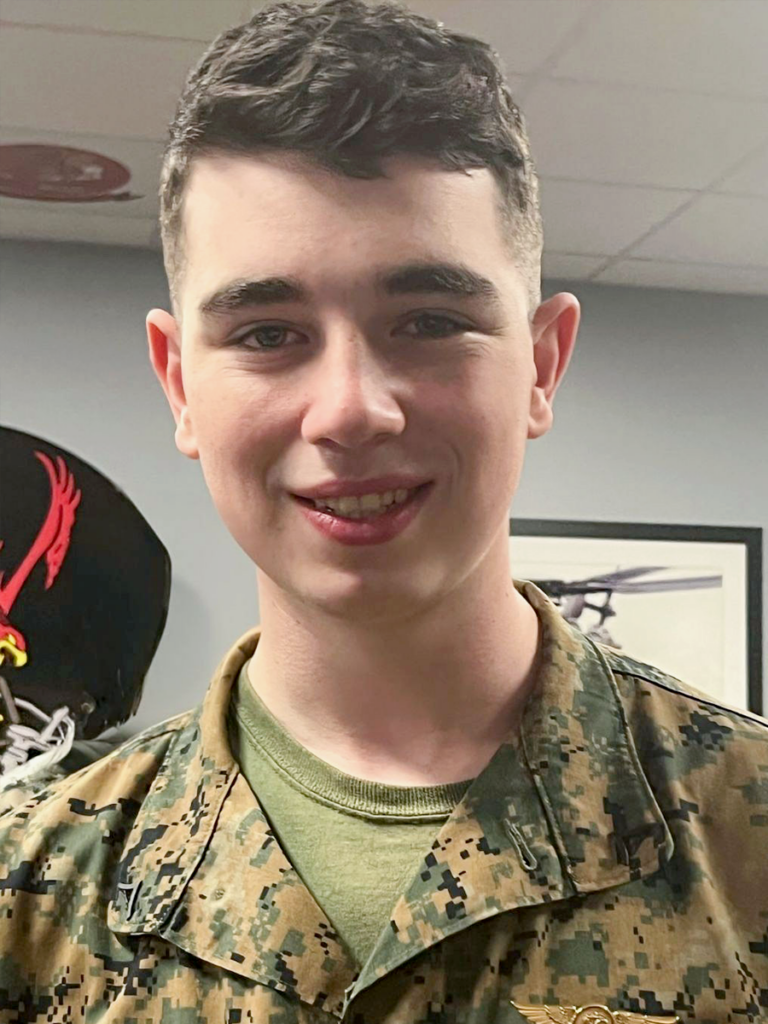
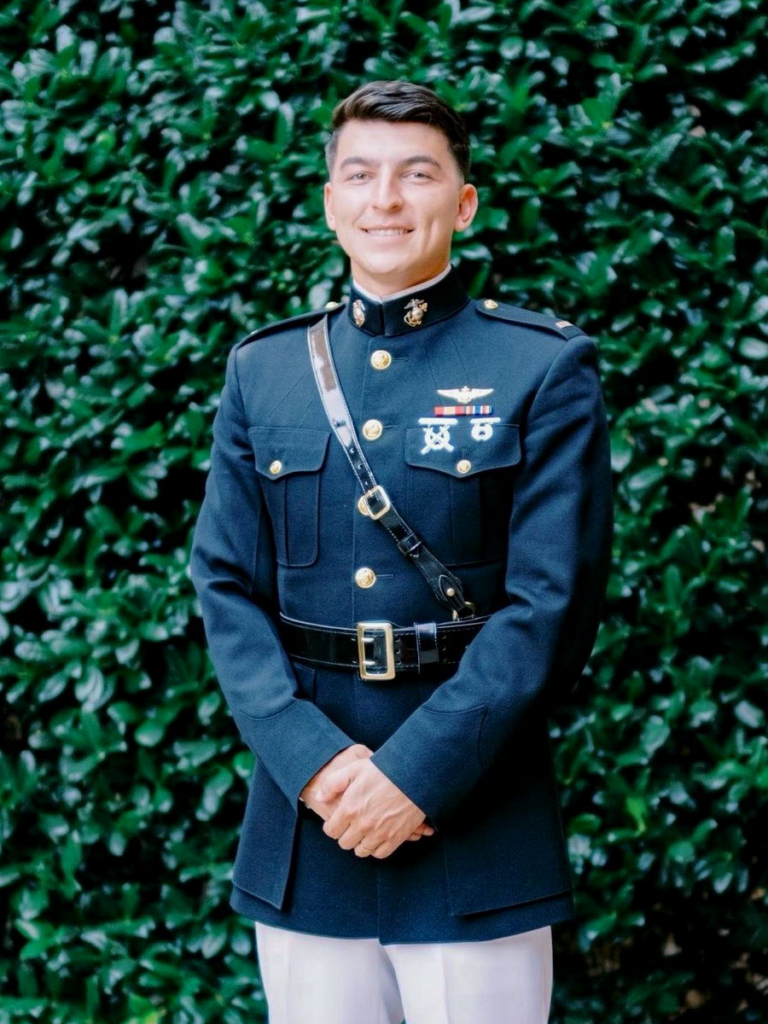
The five deceased Marines from the CH-53E helicopter mishap on February 6, 2024, have been identified. All were assigned to Marine Heavy Helicopter Squadron 361, Marine Aircraft Group 16, 3rd Marine Aircraft Wing and were based at Marine Corps Air Station Miramar, California. The identities of the Marines are below.
Lance Cpl. Donovan Davis, 21, of Olathe, Kansas, a CH-53E helicopter crew chief.
Sgt. Alec Langen, 23, of Chandler, Arizona, a CH-53E helicopter crew chief.
Capt. Benjamin Moulton, 27, of Emmett, Idaho, a CH-53E helicopter pilot.
Capt. Jack Casey, 26, of Dover, New Hampshire, a CH-53E helicopter pilot.
Capt. Miguel Nava, 28, of Traverse City, Michigan, a CH-53E helicopter pilot.
Additional information on the deceased:
Donovan Davis enlisted in the Marine Corps on September 3, 2019, and was promoted to the rank of Lance Corporal on January 1, 2024. His decorations include the Global War on Terrorism Service Medal, National Defense Service Medal, and a Sea Service Deployment Ribbon.
Alec Langen enlisted in the Marine Corps on September 14, 2017, and was promoted to the rank of Sergeant on October 1, 2022. His decorations include the Navy and Marine Corps Achievement Medal, Good Conduct Medal, Global War on Terrorism Service Medal, National Defense Service Medal, and two Sea Service Deployment Ribbons.
Benjamin Moulton commissioned in the Marine Corps on March 29, 2019, and was promoted to the rank of Captain on August 1, 2023. His decorations include the National Defense Service Medal.
Jack Casey commissioned in the Marine Corps on May 16, 2019, and was promoted to the rank of Captain on September 1, 2023. His decorations include the National Defense Service Medal.
Miguel Nava commissioned in the Marine Corps on May 26, 2017, and was promoted to the rank of Captain on November 1, 2021. His decorations include the Global War on Terrorism Service Medal, National Defense Service Medal and Sea Service Deployment Ribbon.
“We have been confronted with a tragedy that is every service family’s worst fear,” said Lt. Col. Nicholas J. Harvey, commanding officer of HMH-361. “Our top priority now is supporting the families of our fallen heroes, and we ask for your respect and understanding as they grieve. The Flying Tigers family stands strong and includes the friends and community who have supported our squadron during this challenging time. We will get through this together.”
At the time of the mishap, the CH-53E and crew were conducting routine flight training. The mishap is currently under investigation.
Out of respect for the friends and family of the deceased and the Marines and Sailors of HMH-361, please direct all questions to the 3rd MAW Communication Strategy and Operations office at [email protected].
VMFA-542 Becomes First F-35B Squadron on East Coast to Achieve Initial Operational Capability
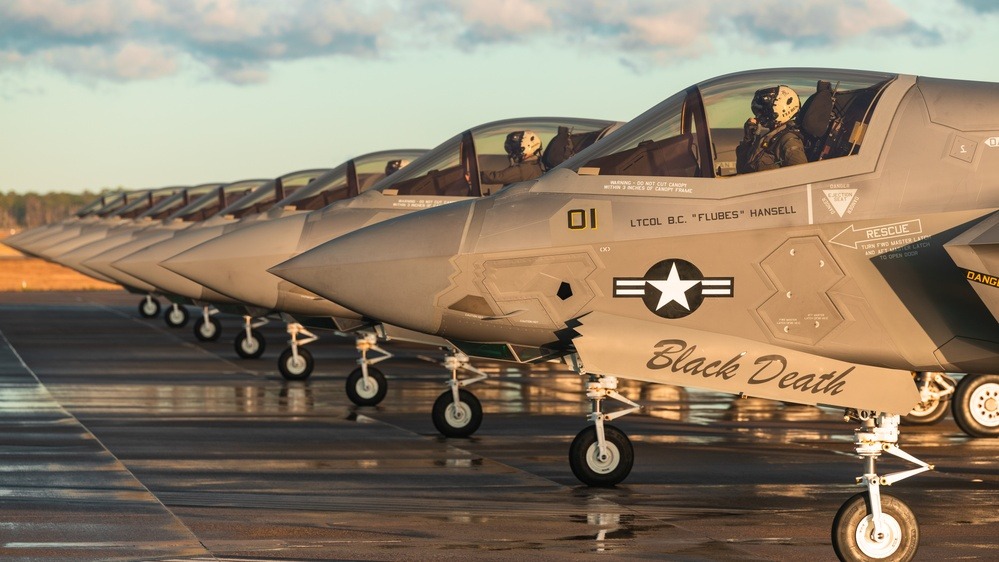
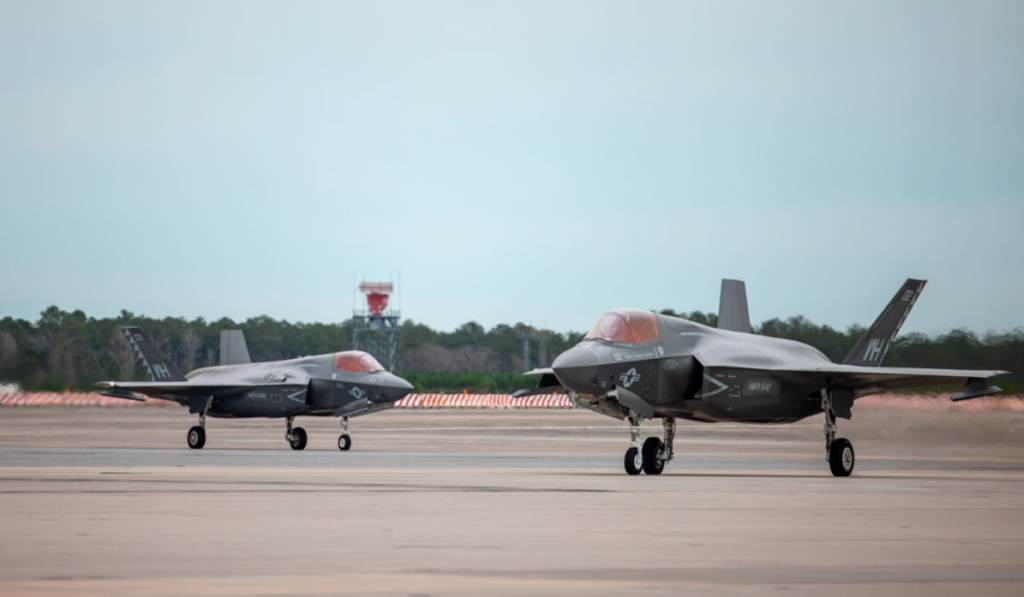
Two U.S. Marine Corps F-35B Lightning II jets with Marine Fighter Attack Squadron (VMFA) 542 taxi at Marine Corps Air Station Cherry Point, North Carolina, Dec. 28, 2023. U.S. Marine Corps | Warrant Officer Akeel Austin
MARINE CORPS AIR STATION CHERRY POINT, North Carolina – Marine Fighter Attack Squadron (VMFA) 542, 2nd Marine Aircraft Wing (MAW), became the first East Coast F-35B Lightning II Joint Strike Fighter squadron in the Fleet Marine Force to achieve initial operational capability, Feb. 5.
Initial operational capability means that VMFA-542 has enough operational F-35B Lightning II aircraft, trained pilots, maintainers, and support equipment to self-sustain its mission essential tasks (METs). These METs include conducting close-air support, offensive anti-air warfare, strike coordination and reconnaissance, and electronic attacks.
“VMFA-542 is the first operational fifth-generation squadron in II Marine Expeditionary Force, giving the aviation combat element the most lethal, survivable, and interoperable strike fighter in the U.S. inventory,” said Lieutenant Colonel Brian Hansell, commanding officer of VMFA-542. “The F-35B is unmatched in its capability to support Marines against the advanced threats that we can expect in the future.”
The F-35 is a fifth-generation fighter jet with advanced stealth, agility and maneuverability, sensor and information fusion, and provides the pilot with real-time access to battlespace information. It is designed to meet an advanced threat while improving lethality, survivability, and supportability. The F-35B Lightning II is the short-takeoff and vertical-landing F-35 variant. This capability allows the aircraft to operate from amphibious assault ships and expeditionary airstrips less than 2,000 feet long.
“I am extremely proud of the Marines and Sailors of VMFA-542,” said Colonel James T. Bardo, commanding officer of Marine Aircraft Group 14, the parent command of VMFA-542. “Achieving initial operational capability at the pace and precision of which they did truly demonstrates what an exceptional unit this is. This milestone demonstrates their hard work, ingenuity, and perseverance.”
Achieving initial operational capability also means that VMFA-542 is one step closer to achieving full operational capability and completing its F-35B Lightning II transition, a process that began in December 2022.
VMFA-542 is a subordinate unit of 2nd MAW, the aviation combat element of II Marine Expeditionary Force.
BAE Systems Delivers Firepower to USMC with New Amphibious Combat Vehicle Test Variant
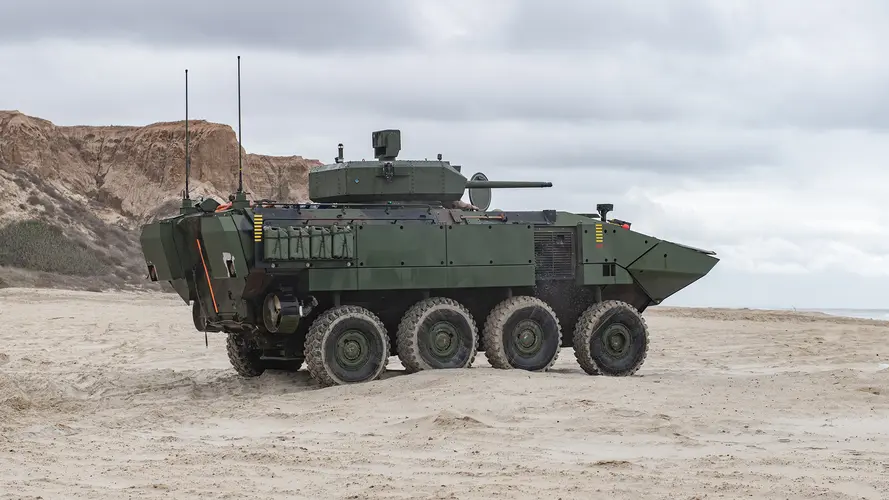
BAE Systems delivered a new Amphibious Combat Vehicle 30mm Cannon variant to the U.S. Marine Corps for testing. BAE Systems
STAFFORD, Virginia — BAE Systems delivered the first production representative test vehicle (PRTV) of the new Amphibious Combat Vehicle 30mm Cannon (ACV-30) variant to the U.S. Marine Corps for testing.
“ACV-30 equips dismounted Marines with direct fire support allowing them to simultaneously find, fix and engage targets more effectively and efficiently than current systems,” said Garrett Lacaillade, vice president of the amphibious vehicles product line for BAE Systems. “Innovating for the future, consistent with Force Design 2030 priorities, we have teamed with our strategic partners Iveco Defence Vehicles, Kongsberg and the Marine Corps to deliver not only an incredibly lethal capability, but a vehicle and weapon system that has the growth potential to incorporate new technologies to defeat future threats.”
ACV-30 is the third variant in the ACV family of vehicles designed, developed, and built since BAE Systems was selected as the prime contractor for the program in 2018. The vehicle mounts a stabilized, medium caliber Remote Turret System manufactured by Kongsberg that provides the lethality and protection Marines need while leaving ample room for troop capacity and payload while keeping the crew under armor. The remote turret eliminates the space requirement of legacy turreted cannon systems and provides more room to transport troops or mission essential equipment, and reduces weight for better mobility, the company said.
BAE Systems is currently in full-rate production with the ACV Personnel (ACV-P) variant and ACV Command and Control (ACV-C) variant, and is on contract for the design and development of an ACV Recovery (ACV-R) variant which will provide direct field support, maintenance and recovery to the ACV family of vehicles.
Each customizable ACV variant in the family of vehicles provides true open-ocean and ship-to-objective capability, land mobility, survivability and growth potential to meet the evolving operational needs of Marines around the world.
ACV production and support take place at BAE Systems locations in Stafford, Virginia; San Jose, California; Sterling Heights, Michigan; Aiken, South Carolina; and York, Pennsylvania.
Chesty XVI, Mascot of Marine Barracks Washington, Promoted to Lance Corporal
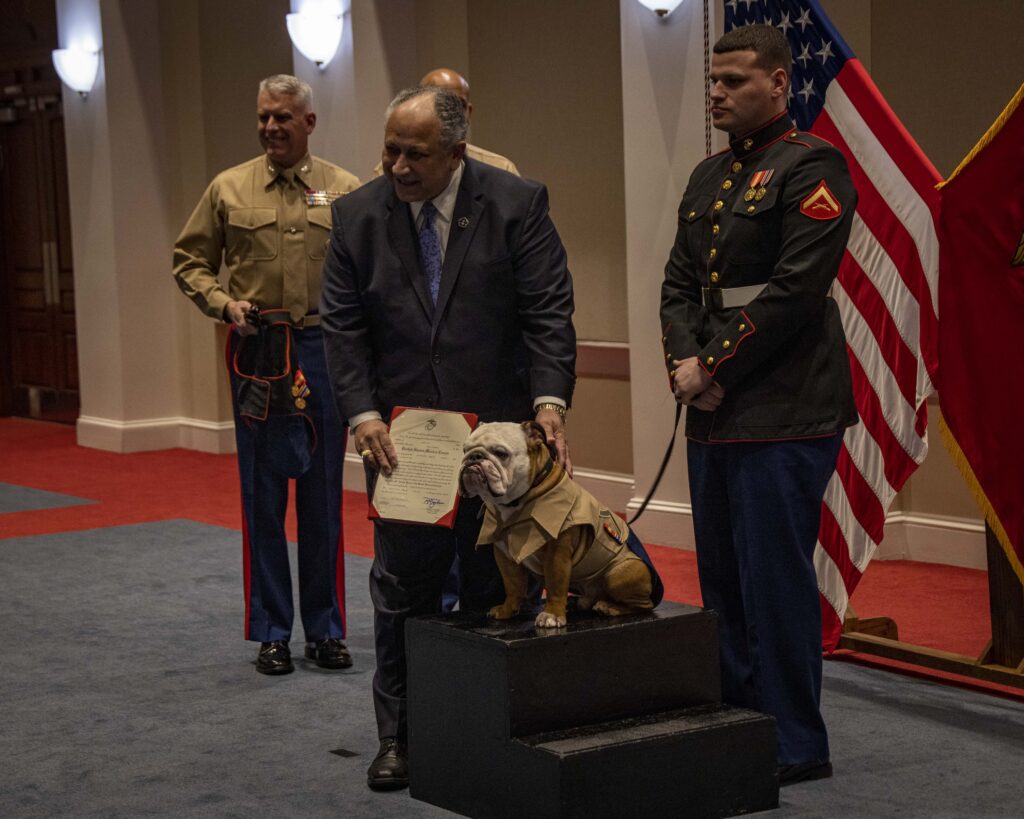
Chesty XVI, mascot of the Barracks, receives his promotion warrant during a ceremony at Marine Barracks Washington, Jan. 17. Chesty XVI was promoted to the rank of Lance Corporal by Carlos Del Toro, secretary of the Navy. U.S. Marine Corps | Lance Cpl. Chloe N. McAfee
In a momentous ceremony at Marine Barracks Washington last week, presided over by Secretary of the Navy Carlos Del Toro, Chesty XVI, the official mascot of Marine Barracks Washington, was promoted to the rank of Lance Corporal.
“At a time when our nation is being challenged in many different ways, we need Marines like each and every one of you to represent everything that’s great about this country,” Del Toro said. “And Chesty XVI represents everything that’s great about the Marine Corps.”
After the Battle of Belleau Wood, U.S. Marines adopted the moniker “devil dogs,” a term believed to have originated from the defeated Germans who, in awe of their tenacious adversaries, allegedly referred to them as “teufelhunden,” meaning hell hounds. Following World War I, the nickname gained prominence and began to feature prominently on Marine Corps recruitment posters, often accompanied by an iconic depiction of a scowling, helmet-clad English bulldog, symbolizing the indomitable spirit of the Marine Corps. While the nickname played a significant role in shaping the Marine Corps identity in the 20th century, it’s worth noting that there isn’t evidence to confirm its origin as a reference to the Marines by German troops.
Chesty XVI’s Pup Predecessors
During his tenure as the commanding officer of the Marine Barracks at Quantico, Virginia, Brig. Gen. Smedley D. Butler extended the nascent tradition by enlisting “Private Jiggs” into the Marine Corps on Oct. 14, 1922. Jiggs was born in Philadelphia on May 22, 1921, and boasted an impressive pedigree. The mascot experienced rapid promotions within the ranks, attaining the position of Sergeant Major on July 17, 1924.
Remaining true to custom, the Barracks welcomed Private First Class Chauncy into its ranks in 1956. Following Chauncy, Chesty I assumed the mantle, bearing the name in homage to the legendary Marine Lt. Gen. Lewis “Chesty” Puller, the most decorated Marine in the history of the Corps. Chesty I made his debut during the very first Evening Parade on July 5, 1957.
Over the years, numerous English bulldogs have faithfully served at the Barracks, with some receiving formal burial honors within the Barracks’ hallowed grounds. This enduring tradition underscores the profound connection between legend and the fighting spirit of every Marine, past and present.
Former U.S. Marine Keith Burns, who served as a Marine Barracks Washington mascot handler in 1998, had the opportunity to escort Chesty XI to the 80th anniversary of the Battle of Belleau Wood.
“As this battle was the birthplace of the mascot’s role, being there 80 years later with our mascot was humbling and awe-inspiring,” said Burns. “Being part of an ongoing tribute to our history and moniker of ‘devil dog’ made me feel even more connected to the Corps and served as a reminder of how our past continues to shape our present, and future.”
Chesty XVI enlisted in the Marine Corps February 2022. He relieved Chesty XV of his duties on May 6, 2022, and marched in his debut parade that evening.
Chesty XVI’s promotion to Lance Corporal not only embodies the Marine Corps’ legacy but also highlights the mission of Marine Barracks Washington to represent the Marine Corps to the nation. The “Oldest Post of the Corps” continues to stand as a keeper of tradition and beacon of the Marine Corps’ values, inspiring patriotism and showcasing the unwavering commitment of Marines who have served, are