RTX’s Raytheon selected by DARPA to advance composable solid rocket motor technology
From RTX
Effort aims to deliver more flexible, scalable missile propulsion across weapon systems
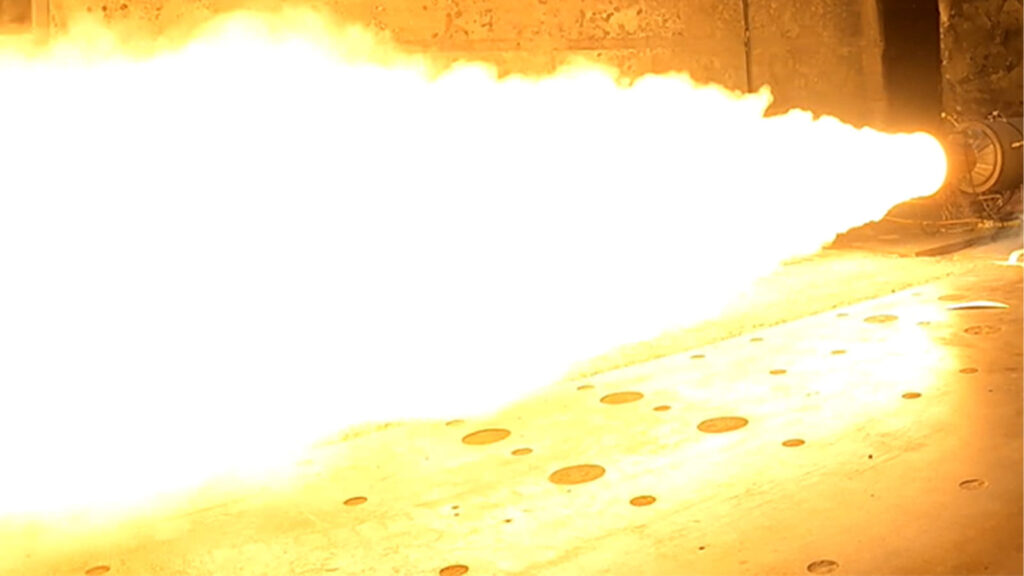
ARLINGTON, Va. (May 26, 2026) — Raytheon, an RTX (NYSE: RTX) business, in collaboration with Northrop Grumman, has been awarded a phase two contract from the Defense Advanced Research Projects Agency (DARPA) Burn n’ Go program to continue the development of a new solid rocket motor (SRM) design. This new capability will decouple post-manufactured motors from traditional, single-use designs, enabling a composable motor capable of meeting multiple mission needs by adjusting thrust on demand.
The award follows a highly accelerated, seven-month phase one effort in which Raytheon and Northrop Grumman demonstrated the feasibility of this new propulsion approach. The technology is intended to support a wider range of missions and weapon systems by giving the military more options from a common, single-use motor design. Under the phase two contract, Raytheon’s Advanced Technology team will further mature and scale its solution, followed by a series of demonstrations to show how it performs in increasingly realistic rocket motor configurations.
“Solid rocket motor production has become a critical bottleneck for many missile programs,” said Colin Whelan, president of Advanced Technology at Raytheon. “By pursuing a composable approach to how these motors are designed and built, we’re helping lay the groundwork for faster, more adaptable munitions production across multiple mission sets.”
As prime on the contract, Raytheon is partnering with Northrop Grumman’s Allegany Ballistic Laboratory (ABL), which has extensive expertise in solid rocket motor design and manufacturing. The team also includes Luna Innovations, contributing its novel material development capabilities, to advance a solution that aligns with DARPA’s vision for more flexible, scalable missile propulsion.
This collaborative approach builds on the Advanced Technology team’s broader composable weapons strategy, which is focused on reducing cycle time, lowering costs and accelerating missile development.