
AMPP Sets the Standards for Maritime Corrosion Control


Richard R. Burgess, is senior editor for Seapower magazine. He is a retired naval flight officer and author of several books on naval aviation.
ARLINGTON, Va. — A little-publicized trade association exercises an out-sized role in the readiness of the U.S. fleet.
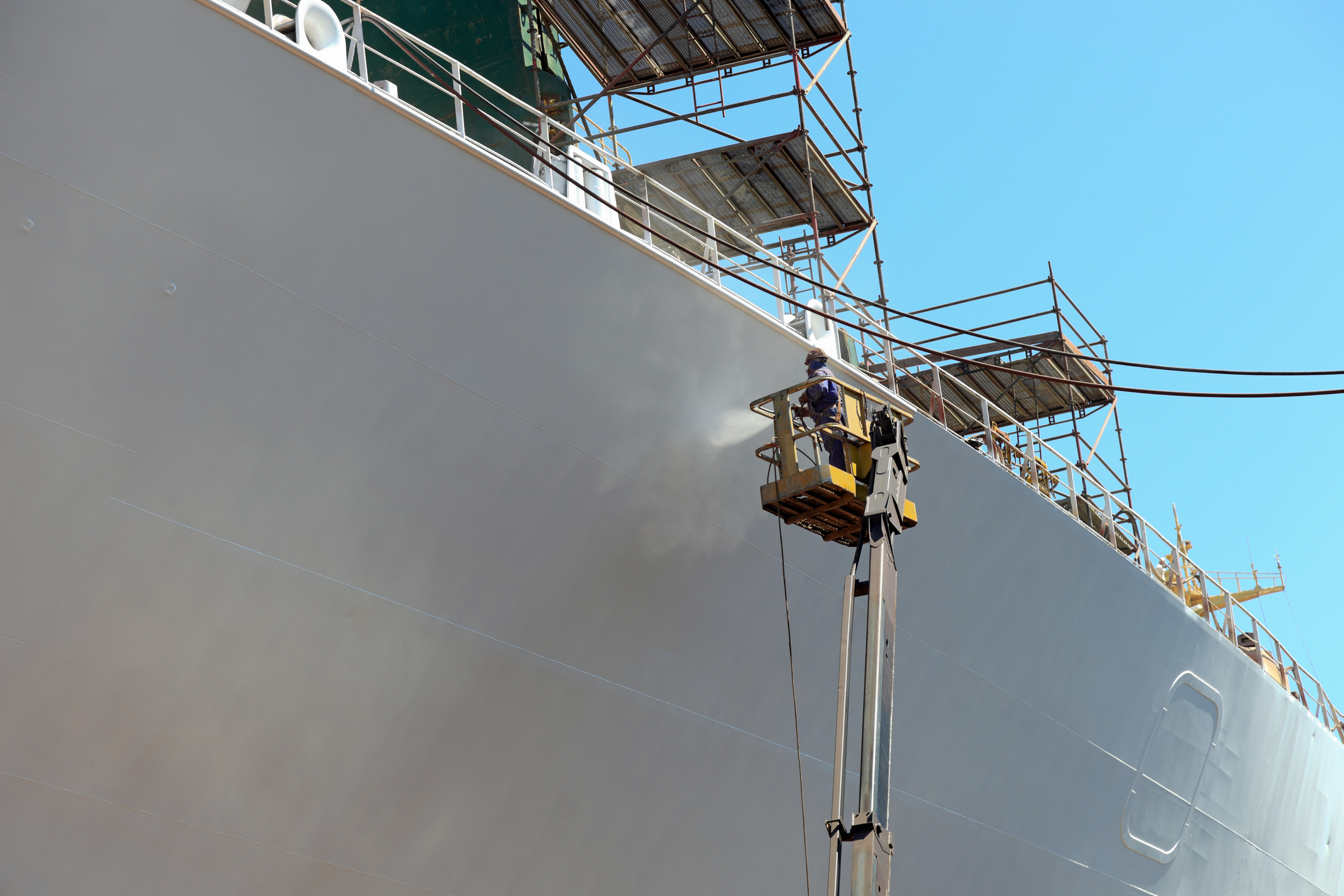
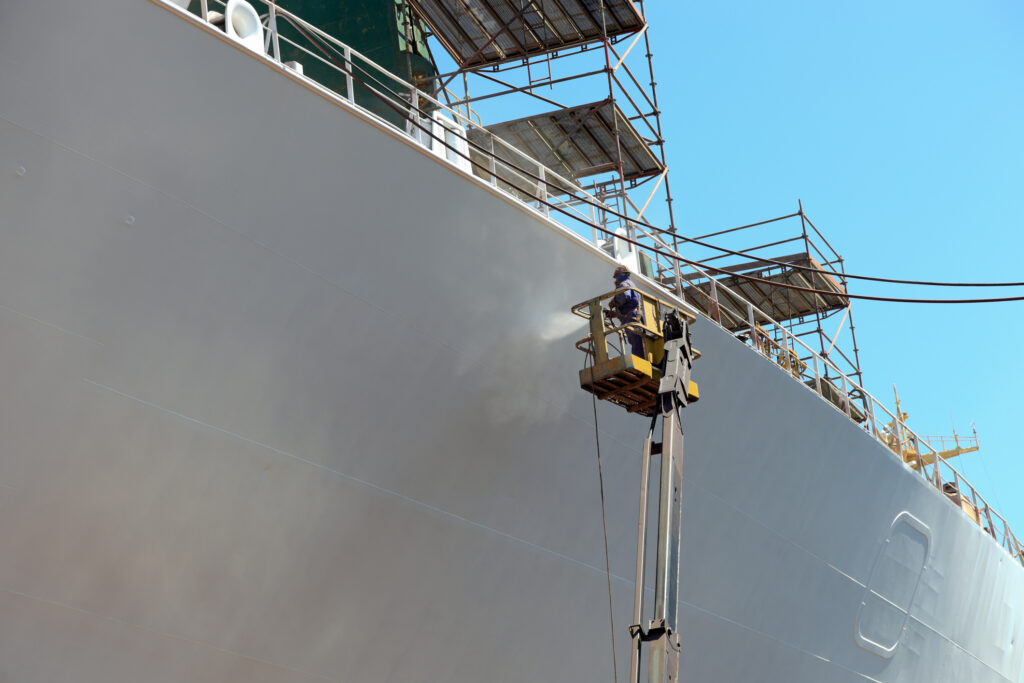
The Association for Materials Protection and Performance (AMPP) sets the standards for workforce development and corrosion control — tasks such as rust removal, painting, and other protective coatings, etc. — that are critical to preservation or ship performance and readiness. As the United States takes measures at a national level to increase shipbuilding and improve maintenance of its naval fleet, the company members of AMPP are working to provide the standards needed to sustain the readiness of the current and future fleet.
AMPP is a merger of the Society for Protective Coatings and the National Association of Corrosion Engineers, two organizations that date back to the 1940s and 1950s.
“Both associations had different demographics and bringing them together is what was really pushing the momentum for that merge that happened on 2020,” said Jennifer Merck, vice president for Maritime and Defense at AMPP, during an interview with Seapower. “I worked a lot with the painting contractors who do the ship maintenance and worked heavily with our education portfolio over the years.”
Merck said the AMPP works closely with Naval Sea Systems Command Code 05 (NAVSEA 05), which publishes the 00932 document that sets the standard for painting contractors who maintain Navy ships. The Navy requires painting contractors to be certified by AMPP, which has a quality procedure program, similar to an ISO 9001 “but specific to surface prep and coating applications. To even bid on Navy work, you need to be certified to do it,” she said.
Last year AMPP met with the National Security Council at the White House, which Merck said was a significant opportunity because it recognized corrosion prevention are important in re-building the American shipbuilding industrial base.
“What we were able to do at that meeting is show how training and certifications, technical standards can help address the needs for ship maintenance,” she said. “You need to have a skilled workforce to do this[maintenance]. Right now, we’re facing a little bit of a shortage. So, we’re trying to show how you can improve quality and longevity of military and commercial vessels is usually by introducing a standard into a specification and then making sure that the workforce is then capable of doing the different tasks involved that they are responsible for.”

Merck sees opportunity to get standards written into the procurement process before the ship is built rather than corrosion control being an afterthought in the design process.
“Everything that we do at AMPP is consensus driven,” she said. “There are times when the Navy saying we might be having a need for a standard. We’re trying to be on the front end of the process if we see new technology enter the market — for example, laser ablation — we then start to develop standards around that technology, that how the technology can be used best.”
The AMPP member companies can be looked up on its website, as can individuals that have been certified as, for examples, a blaster, painter, coating inspector, and those who are QP qualified.
AMPP is headquartered in Houston, Texas, with a major office in Pittsburgh, Pennsylvania, with additional offices around the world, Merck said, noting that other sectors of the organization cover energy, industry, civic infrastructure, and strategic geography. The membership includes about 50,000 companies worldwide. AMPP is a member of the American Society of Naval Engineers. AMPP also works closely with the International Maritime Organization and the Industrial Standards Organization.