
EXERCISE Gray Flag: making sure systems connect the first time
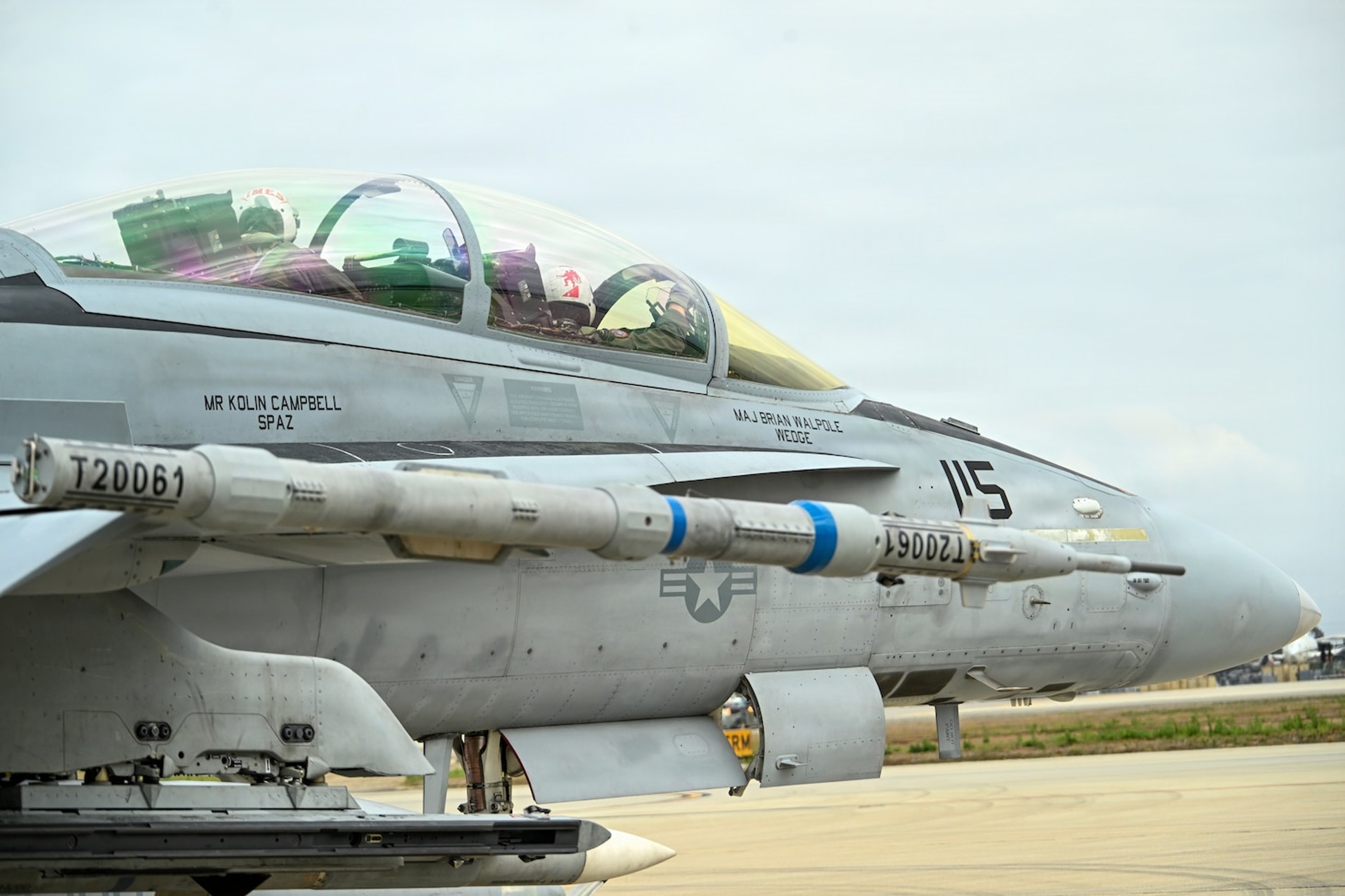


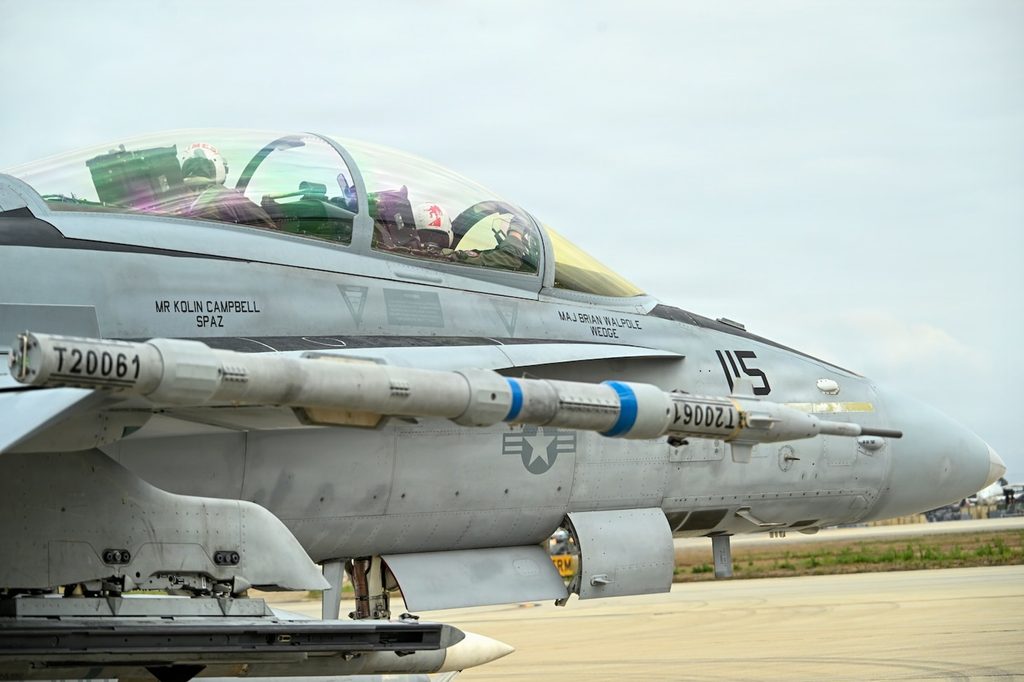
Military aircraft flew more than 750 sorties at Gray Flag 2026, which ended Sept. 25, to expose integration problems before fleet aviators meet them on deployment.
Gray Flag, held annually at Naval Base Ventura County Point Mugu, is the naval aviation test community’s premier large-force test event.
This year’s was the largest to date, topping the roughly 600 sorties flown in 2024 and more than 500 in 2025.
The two-week event drew more than 3,000 participants from more than 150 organizations, and crews logged more than 2,000 flight hours covering hundreds of multi-domain test objectives for the fleet and joint force.
On a single day alone, 78 aircraft launched for one test event, a Gray Flag record. Point Mugu pumped more than 1.3 million gallons of jet fuel during the event.
The Royal Australian Air Force, Royal Canadian Air Force and Royal Air Force joined U.S. Navy and Air Force test teams, along with surface and subsurface participants. Together they checked whether aircraft, weapons, communication systems and networks can pass data and work together.
Royal Australian Air Force Wing Commander Trent Baldry, commanding officer of No. 1 Squadron, said Gray Flag gives Australia insight into its interoperability with partners that it could not gain on its own.
“We leave much more informed with respect to future capabilities that enable Australia to shape our requirements for future projects and future platform upgrades that increase our lethality and survivability,” Baldry said.
Naval Test Wing Pacific and Air Test and Evaluation Squadron (VX) 9 hosted the event. They led test execution with Naval Air Warfare Center Weapons Division, which manages the Gray Flag program and operates the Point Mugu Sea Range, a 36,000-square-mile instrumented range.
“Our range, combined with other test and training ranges around us, gives us the space and instrumentation to test new systems the way the joint force will use them,” said Rear Adm. Keith Hash, NAWCWD commander. “We want to find the problems here, fix them here and make sure what we send to the fleet works when the warfighter needs it.”
Simulations model the links between platforms working as designed, so they can miss problems that only surface when data has to cross between aircraft in flight, said Capt. Christopher Putre, commodore of Naval Test Wing Pacific.
“You need all your lightning bolts from the various domains to reach each other in order to achieve success in a joint fight,” Putre said. “And until we test that in scenarios like this, we just don’t know it’s going to work.”
Those links get hardest to hold when crews arrive somewhere new, especially on deployment, said Marine Lt. Col. Timothy “Little Buddy” Burchett, commanding officer of Air Test and Evaluation Squadron (VX) 31.
Testing alongside partner nations lets teams find and correct those issues or work around them so fleet aviators can be “lethal from day one,” Burchett said.
Burchett has flown in Gray Flag as a pilot. His squadron, based at China Lake, is one of the event’s founding squadrons.
“If we have done our jobs correctly at Gray Flag … aviators will start systems and be able to have solid interoperability with the Joint Force on the first try,” Burchett said. “Ideally, fleet aviators will directly see the fruits of Gray Flag every day; they just won’t realize it.”
Adam Madson, Gray Flag program manager at NAWCWD, dealt with the same challenge as an EA-18G Growler pilot. At Clark Air Base in the Philippines, he said, he had to work out how to network with Air Force units and talk to a ship.
Madson said a flaw found after delivery means new training and a workaround for aircrew. Gray Flag, he said, is the last point where testers can answer open questions about a system and still change it before it reaches the fleet.
“If we don’t answer them here, our warfighter’s going to answer them in combat,” Madson said. “It will not be as lethal and it’ll be much more difficult to survive.”
Putre said a test that falls short still counts as a success when the team knows why and can point engineers to the fix.
Analysts will use the event’s petabytes of test data to inform the tactics aviators fly and the specifications engineers test against, Madson said.
From Michael Smith. Oct.1, 2026