
Littoral OpTech Workshop Will Examine Operational, Geopolitical Challenges in Baltic Sea
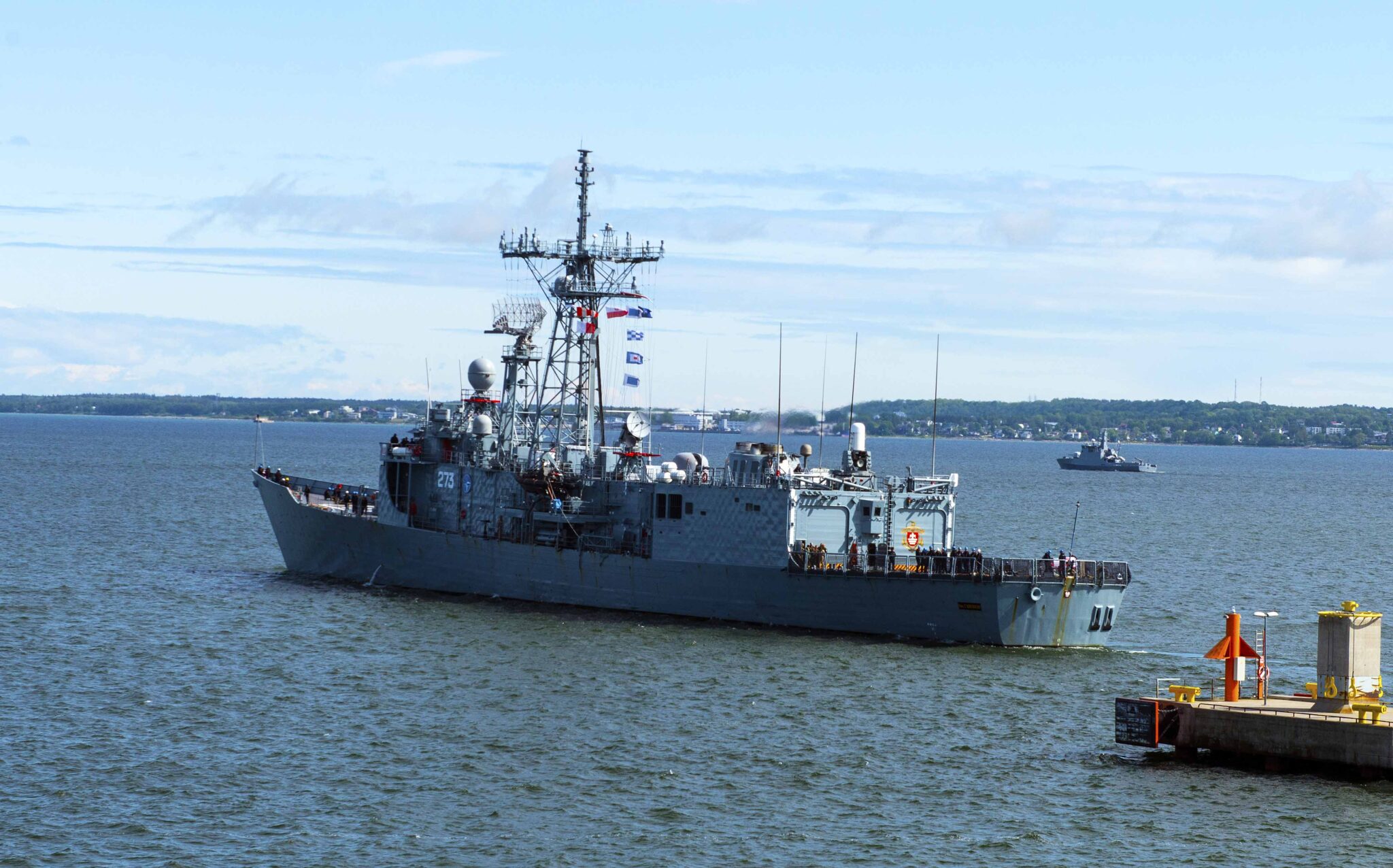


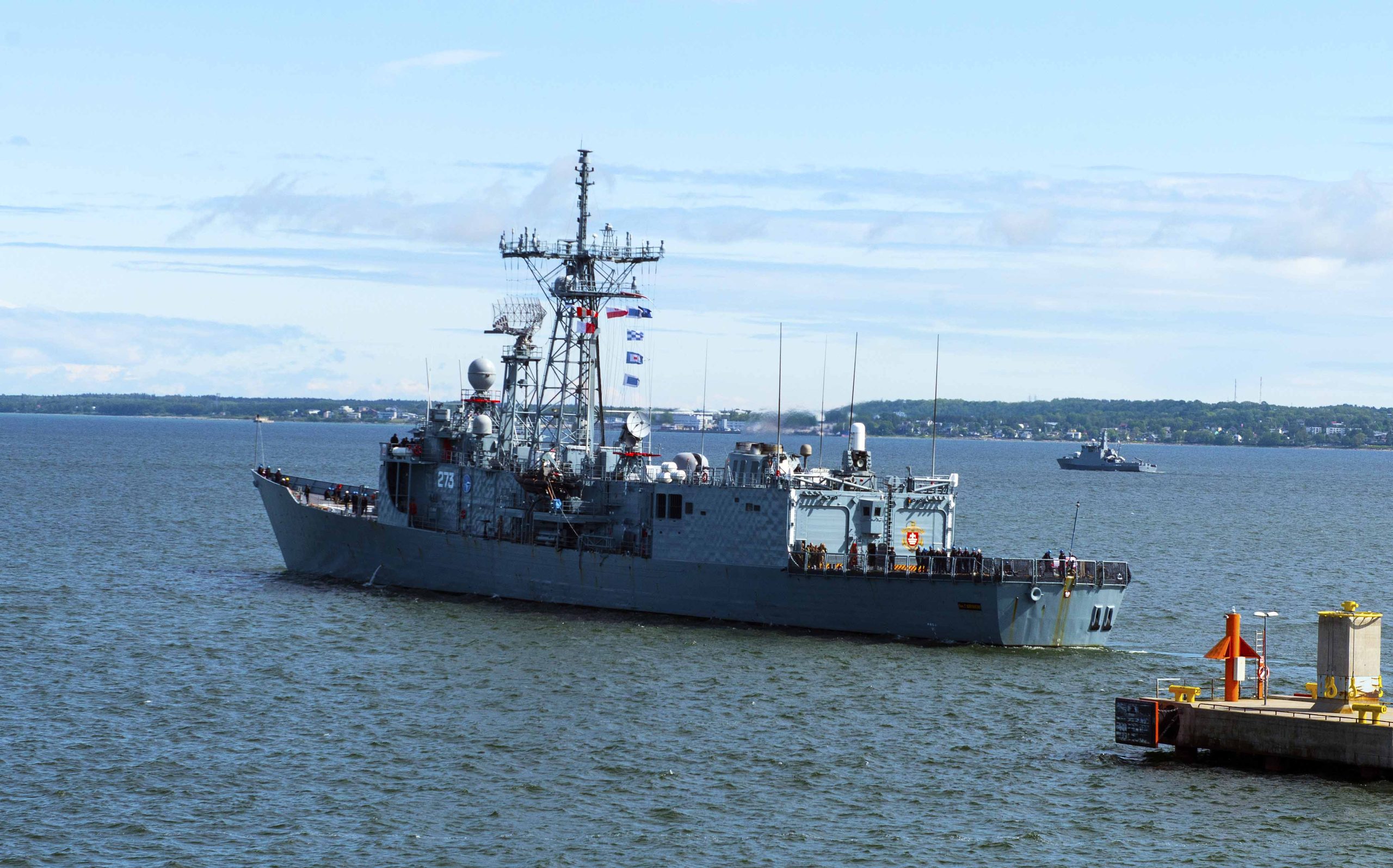
The 2024 Littoral OpTech workshop, an invitation-only event, will be held May 21-22 at the Polish Naval Academy in Gdynia, Poland. Participants will listen to a number of speakers and panels exploring the current trends in operational, economic and geo-political environment in and around the Baltic Sea.
According to retired Swedish Navy Captain Bo Wallander, the event moderator, Littoral OpTech workshops are typically two-day conferences that bring together key partners and advanced technical and operational expertise to explore and identify the technologies that will enable effective littoral operations.
“The workshops expand the growing global community of interest and garner stakeholder support for addressing the technical challenges in the world’s littorals,” Wallander said.
Wallander described the maritime littorals as “a very complex environment with limited space where it is easy to hide and difficult to detect targets. This means very short reaction times. The proximity to islands and shores means a broad spectrum of threats in all domains. The littorals are also characterized as having a great number of non-military actors like merchant ships, fishing and pleasure boats.”
Wallander referred to the Baltic Sea, in particular, as an “extreme littoral.”
“What makes the Baltic Sea special are the short distances in an east-west direction and the large archipelagos in both Finland and Sweden. There are different currents and counter currents; varying sea bottom topography, water salinity and temperatures,” he said.
Wallander said the workshop will focus on both operations, political issues and technologies with an emphasis on Northern Europe and the evolving security concerns in Northern Europe, as well as the importance of the fact that both Sweden and Finland have become NATO allies.
The last Littoral OpTech workshop was held in Helsinki, Finland, and also focused on the Baltic Sea. Besides the 2022 event in Finland, previous Littoral OpTech seminars, colloquiums and workshops have been held in Monterey, California; Stockholm, Sweden; Tokyo, Japan; Cartagena, Colombia; Halifax, Canada; and Souda Bay, Crete, Greece.
Wallander said the Polish Naval Academy is working together with the Swedish defense company Saab to host the 2024 workshop.
“The naval academy is located in a very a very significant historical area,” Wallander said. “Gdynia is also an important base for the Polish navy.”
“This area of the world continues to be of great geopolitical, economic and military importance,” Wallander said. “The Baltic Sea is both a very sensitive environment and an important transport link for the Russian Federation. Since the last OpTech event the war in Ukraine has raged on, and both Finland and Sweden have become full-fledged members of NATO.”
Poland is situated on the Baltic Sea, with a 328-mile mostly sandy coastline. The country was under Soviet domination after World War II and was a charter member of the Warsaw Pact from 1955 to 1991. In 1999, Poland joined Czechia and Hungary to become the first former members of the Warsaw Pact to join NATO.
The Baltic Sea is an arm of the Atlantic Ocean enclosed by Denmark, Estonia, Finland, Germany, Latvia, Lithuania, Poland, Sweden and Russia, with a coastline of approximately 5,000 miles. Today, all of those countries are part of the NATO Alliance, except Russia. Russia’s Baltic Sea exclave of Kaliningrad is surrounded by Poland to the south and Lithuania to the north and east.
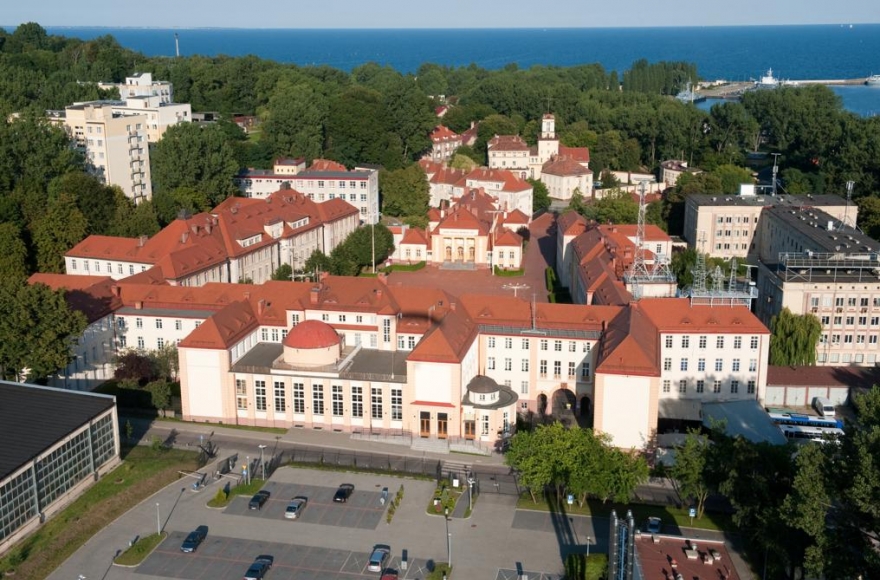
Polish Naval Academy
The Littoral OpTech workshop will be hosted by the Polish Naval Academy, which is named after the “the Heroes of the Westerplatte.” The academy offers both civil and military undergraduate and graduate study programs. The name refers to the 1939 battle at the Westerplatte peninsula when the Polish forces fought off a vastly superior German army. The battle is revered as a symbol of resistance in modern Poland.
The Polish navy was established in 1918. The academy was established soon after, in 1922. It has been in continuous operation, albeit under different names, ever since. The school is currently under the command of Rector-Commandant Rear Admiral Professor Tomasz Szubrycht.
The undergraduate and graduate courses are taught in Polish and English, and a number of international students attending the school. The military cadets receive commissions in the Polish military upon graduation, mostly in the navy. There are also serving officers working on graduate degrees.
Today, the Polish navy consists of about 12,000 commissioned and enlisted personnel, many of them serving abord the service’s 46 ships.
The Polish Navy’s two largest surface combatants ORP General Kazimierz Pulaski and ORP General Tadeusz Kościuszko, are the former U.S. Navy Oliver Hazard Perry-class guided missile frigates USS Clark (FFG 11) and USS Wadsworth (FFG 9). The service is ordering new Arrowhead 140 frigates, to be delivered by Polish Armament Group in cooperation with Babcock, U.K.