
Navy Selects Damen to Build New Medium Landing Ship


Richard R. Burgess, is senior editor for Seapower magazine. He is a retired naval flight officer and author of several books on naval aviation.
By Richard R. Burgess, Senior Editor
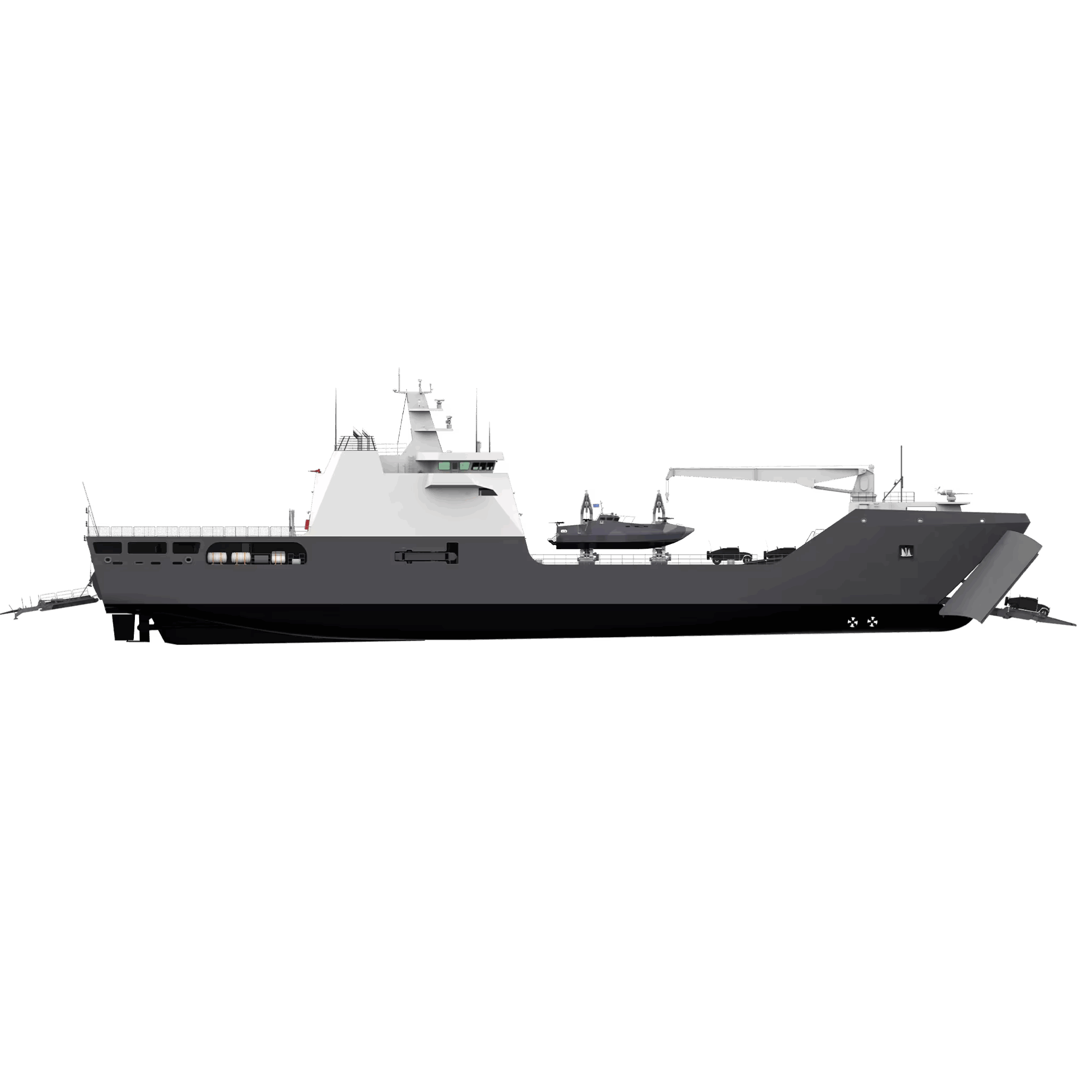
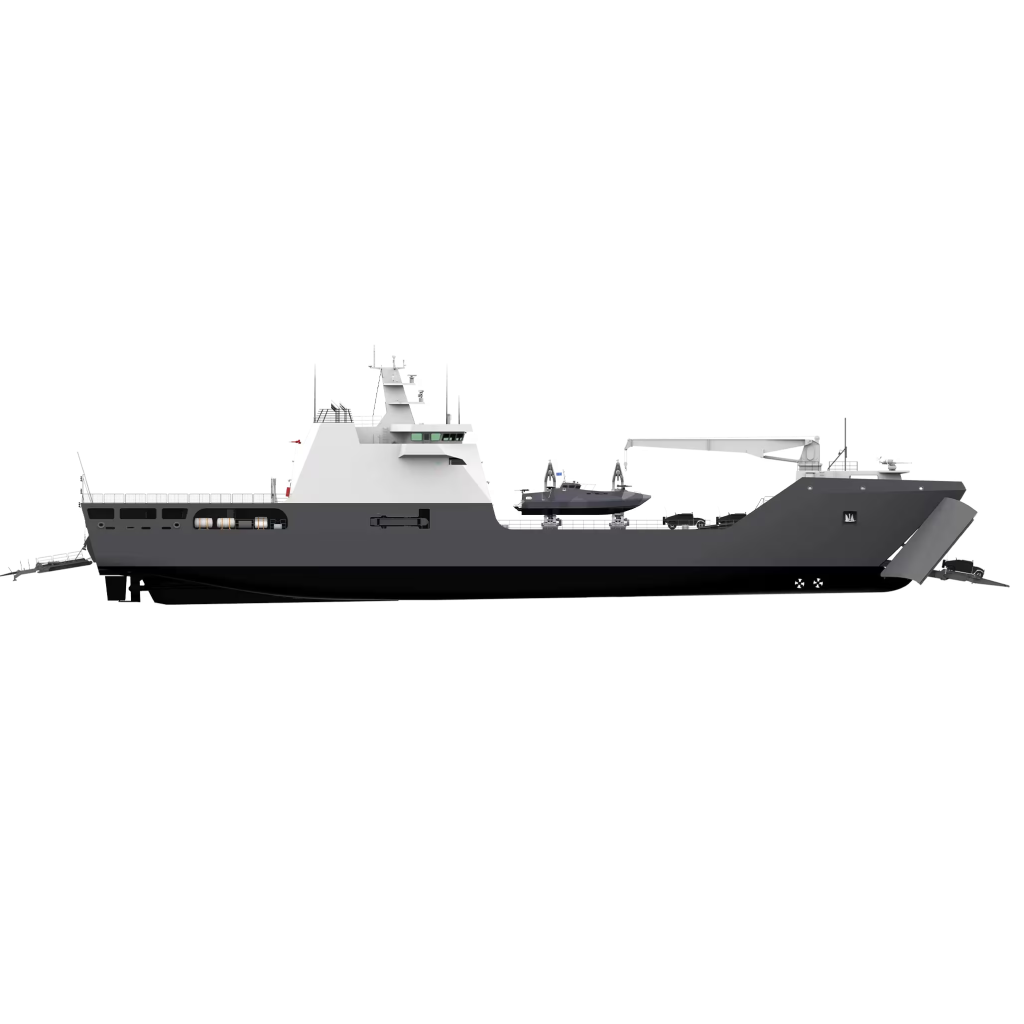
ARLINGTON, Va. — The U.S. Navy has selected Damen to build the new medium landing ship (LSM) for the service. The ship will be a version of Damen’s LST 100 class.
Damen is a shipbuilder headquartered in The Netherlands. Its LST 100 class is in production for Australia and other customers.
The selection was announced on Dec. 5 on X in a video of Navy Secretary John C. Phelan, who said that the move was the second initiative is support of re-designing the U.S. fleet. The first was the truncation of the Constellation-class guided-missile frigate program to only the two ships currently under construction. The truncation, announced a week earlier, was the result of delays in the program. Phelan announced that a new class of frigates will be designed to give the Navy the small surface combatants that it needs.
The Navy plans to build 35 LSMs to transport Marines and their equipment within theaters of war with an “organic, littoral mobility capability in the Indo-Pacific and around the world and provides with a critical intra-theater maneuver asset that is able to embark, transport, and land Marines, weapons supplies and equipment around the theater without requiring access to a pier,” said General Eric Smith, commandant of the Marine Corps, in the same X video. “The medium landing ships will enable our Marines to be more agile and flexible in austere where there are no ports … within the adversary’s engagement zone.”
The LST 100 resembles in concept the LSTs of World War II, equipped with bow doors and a ramp to discharge vehicles onto a beach. Damen’s design is an intra-theater transport that displaces approximately 4,000 tons. According to Damen’s website, the ship is 100 meters long and has a beam of 16 meters and a draft of 3.5 to 3.9 meters. The ship is designed with berthing for a landing force, cargo space of 1,020 square meters of roll-on/roll-off cargo space and to be operated by a crew of 18. The ship features a large crane and a helicopter landing pad. Phelan said the LSM would have a range of more than 3,400 nautical miles.
The selection of an “off-the-shelf” design came as the Navy determined that other proposals with new designs were too costly and would take too long to join the fleet. In the same video, Admiral Daryl Caudle, chief of naval operations, stressed producibility and maintainability after an era of shipbuilding in which the delivery of new ships took too long.