
Virtual Tools Help Real-World Suicide Prevention Efforts
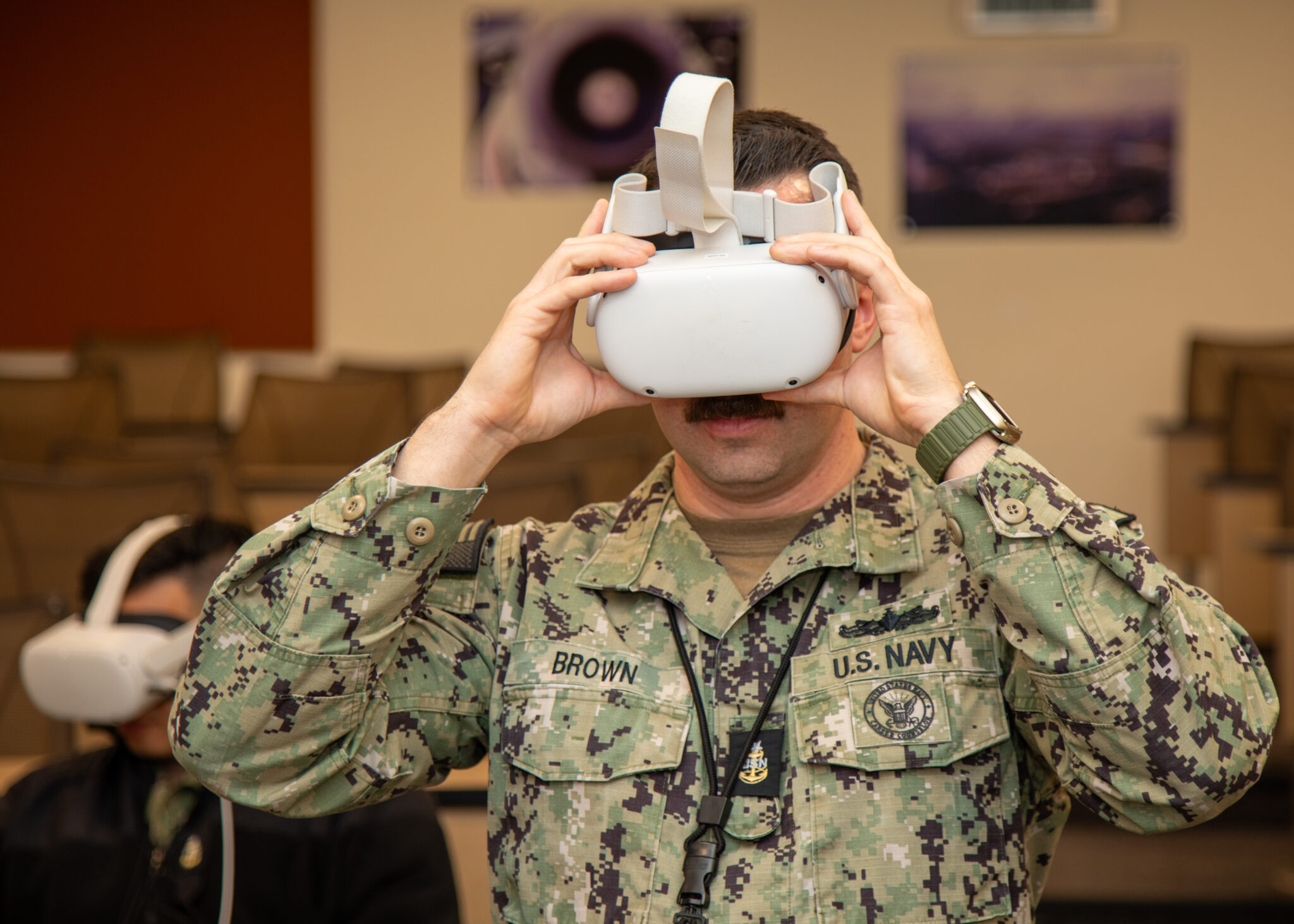


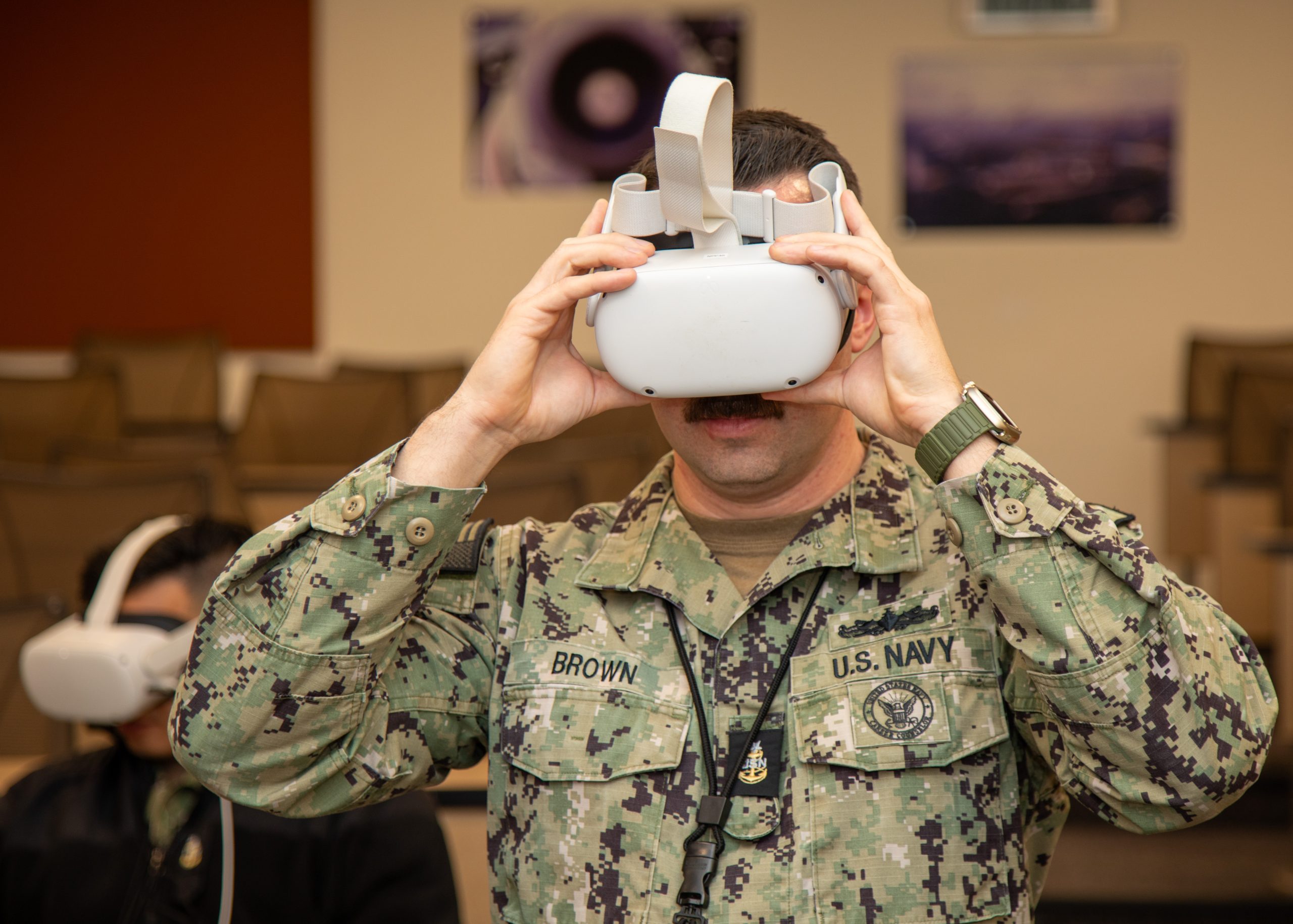
Veterans, service members and military family members have significantly higher rates of suicide than the general population. The demands of military life can cause anxiety, depression, interpersonal conflicts and emotional distress. Exposure to combat and traumatic experiences can lead to post-traumatic stress disorder and other mental health issues; chronic pain and disability from service-related injuries can worsen these challenges. Access to and familiarity with weapons increases the risk.
Reducing the risk of suicide among service members and their families is the chief mission of the Defense Suicide Prevention Office, a division of the U.S. Department of Defense. It works with military branches, veterans’ organizations and mental health professionals to enhance suicide prevention resources. As part of its mission, it is constantly exploring new technology to support or expand existing programs.
Emerging technologies show great promise in the mission to reduce suicides among active-duty forces and veterans. Artificial intelligence, machine learning and advanced algorithms can help identify high-risk individuals and connect them with early intervention resources. Virtual reality technology is enhancing suicide prevention training, while VR-based therapy and online gaming provide veterans with tools to cope with PTSD and foster community engagement.
Early intervention aims to identify service members and veterans who are experiencing an elevated risk of suicide and proactively connect them with prevention resources. AI-powered algorithms can help improve early intervention efforts. These programs can analyze an individual’s speech patterns, social media activity and biometric data to detect warning signs of suicidal thoughts.
One example is the Recovery Engagement and Coordination for Health — Veterans Enhanced Treatment, or REACH VET, program used by the Department of Veterans Affairs. It uses predictive analytics to identify at-risk veterans and offer early intervention before a crisis occurs.
REACH VET uses sophisticated AI and machine learning techniques to review and assess a veteran’s medical history, psychiatric records and prescriptions. It also considers nontraditional indicators such as chronic pain diagnoses, sleep disorders and major life stressors. The system then runs complex statistical models, evaluating each individual’s data and flagging those whose health patterns resemble others who have attempted or died by suicide.
If the system identifies an individual as high-risk, a VA healthcare provider contacts them for a wellness check and assessment. To mitigate risk, the provider offers personalized care plans, therapy sessions, medication adjustments and peer support programs. Studies show veterans enrolled in REACH VET experience lower hospitalization rates and improved mental health engagement, a point in favor of proactive, data-driven intervention.
Programs like REACH VET may see additional improvement by integrating data from wearable devices like smartwatches and fitness trackers. These devices monitor sleep patterns, heart rate variability and stress levels. Incorporating this data could offer another layer of early detection and support, alerting caregivers or medical professionals if a veteran’s vitals indicate distress or elevated risk.
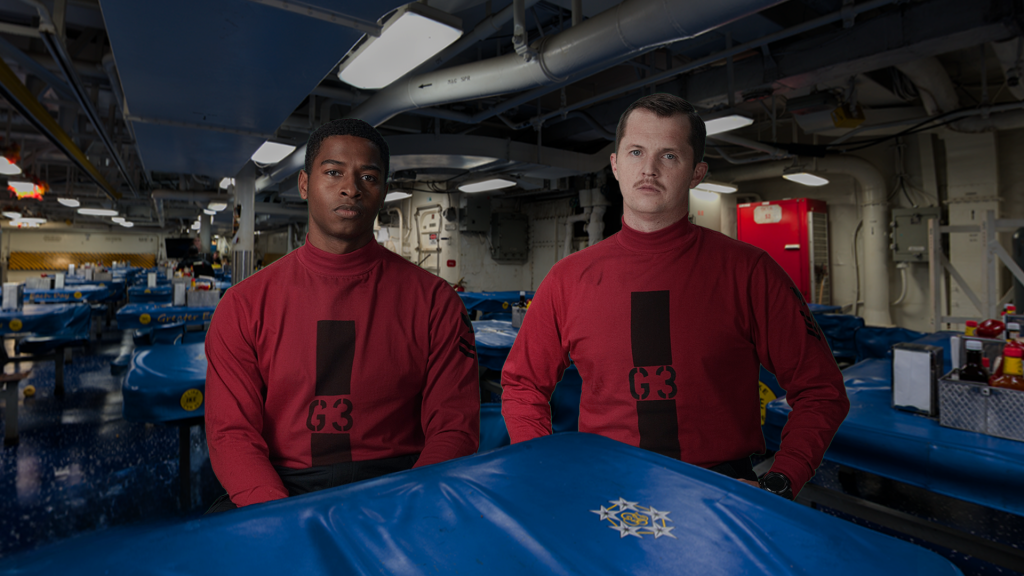
VR Tech and Suicide Prevention Training
Traditional suicide prevention training is derisively and ironically referred to as “death by PowerPoint.” These boring presentations convey information about available resources but do little to help service members learn what to actually do to help a friend, comrade or family member in crisis.
New York City-based Moth+Flame, a leading developer of immersive VR training solutions, partners with the U.S. Navy and other military branches to provide state-of-the-art training programs. Although it offers many types of interactive simulations, one area of focus is suicide prevention. It provides customized training modules for each branch of service, addressing their specific environmental stressors.
Its VR training encompasses many suicide prevention strategies, including leadership development, crisis response and mental resilience. Officers can improve their ability to foster a better atmosphere for everyone’s mental well-being as well as learn how to support individuals in crisis.
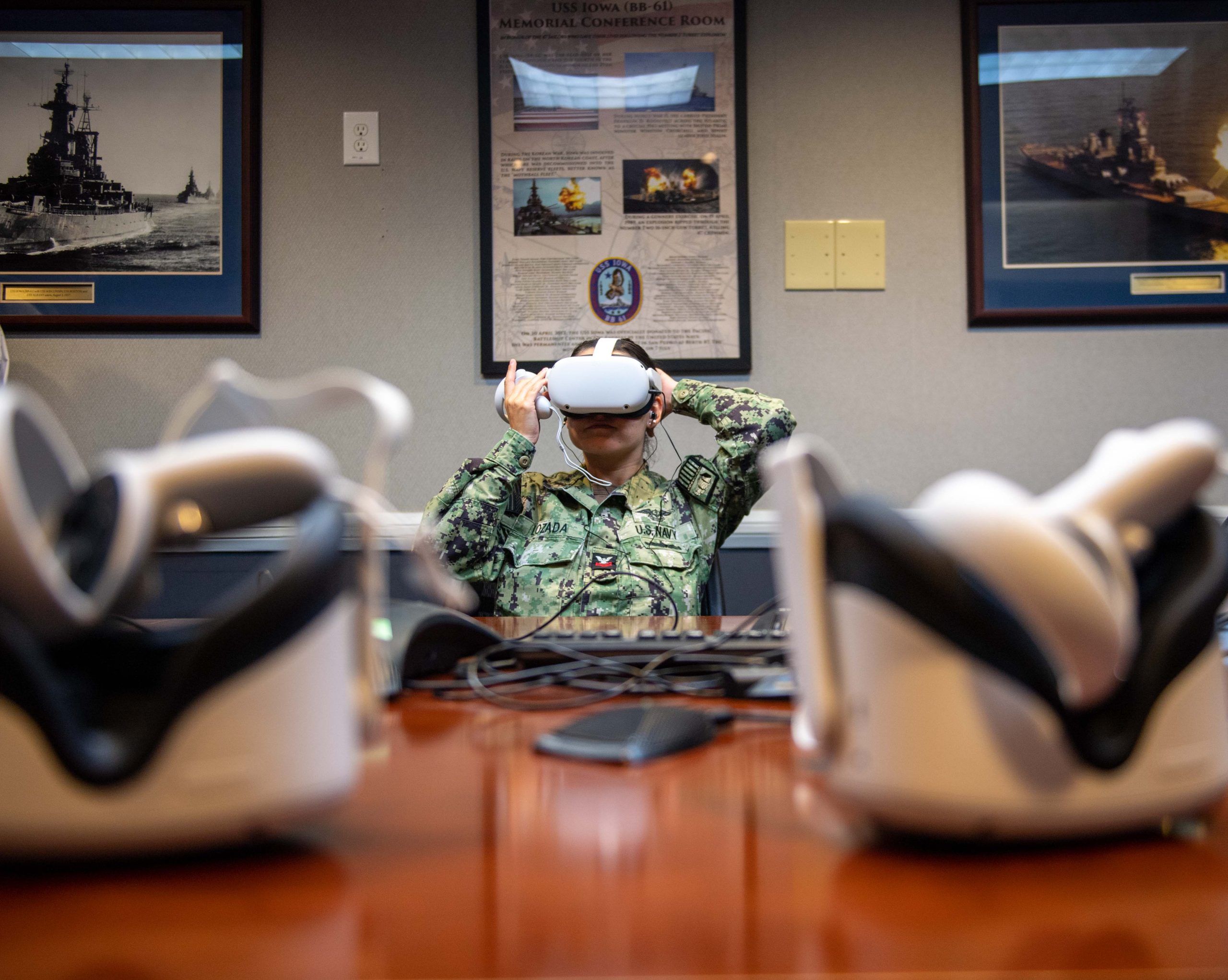
Unlike traditional classroom-based training, VR immerses service members in lifelike conversations where they must recognize distress signals, respond to struggling comrades and practice de-escalation techniques. Participants engage with AI-driven, emotionally responsive avatars in realistic, high-pressure scenarios. The avatars are based on real actors, which the Navy helps select to make sure they look, sound and interact as authentically and realistically as possible.
These scenarios simulate interactions with colleagues, subordinates and family members. Using VR technology, participants can rehearse difficult conversations, building their empathy and confidence in handling real-life crisis situations. As the participant responds, the program provides real-time feedback and suggestions. It also provides post-session feedback and analysis.
“So, in this goggle is a character that is a peer in crisis that the shipmate has to talk to using his or her own voice. … They will have a practical application that they guide hopefully to a successful outcome,” said Matt Frost, an account executive for Moth+Flame, speaking at the Surface Navy Association meeting in January. “We’re not making a video game. This is a real actor in a real environment.”
The biggest users of the technology in the Navy are OPNAV N-17, the Navy Culture and Force Resilience Office; Naval Surface Force, U.S. Pacific Fleet; Naval Surface Force Atlantic; and Naval Special Warfare Command, Frost said.
Studies show that VR-based training improves knowledge retention and engagement compared to PowerPoint-based instruction. Trainees must actively interact with avatars, ensuring a hands-on learning experience. Early reports suggest that VR enhances readiness and significantly boosts confidence in suicide prevention efforts among active-duty service members.
Improving Mental, Physical Wellness
Virtual reality therapy is also transforming mental health care for service members and veterans. It is especially beneficial because it offers a customizable, controlled environment to help process PTSD, anxiety and depression.
A leading program is Bravemind, which was developed in collaboration with the VA Innovation Center and the SoldierStrong charitable organization. It uses VR to facilitate prolonged exposure therapy, a treatment that helps individuals confront and reprocess traumatic memories in a safe setting.
Bravemind creates virtual environments based on real-world combat settings, allowing therapists to guide individuals through difficult memories while helping them develop coping mechanisms. Though exposure therapy is challenging, it has been proven effective in reducing PTSD symptoms and improving emotional resilience.
In addition to structured therapeutic uses, VR can help service members manage stress during long deployments or offshore missions. VR relaxation programs can transport users to peaceful, calming environments, such as beaches, forests or familiar cities to help manage anxiety and promote well-being. Providing these tools to active-duty service members can help improve their overall health and wellness, another building block in fostering readiness and reducing psychological distress.
Gaming the (Mental Health) System
First-person shooter video games can be unexpectedly helpful for individuals coping with PTSD. Hyperrealistic games like Call of Duty, Battlefield and Escape from Tarkov allow combat veterans to experience combat-like scenarios in a safe, controlled manner, which can help them process trauma and manage stress.
These games can help players regain a sense of control and desensitization to triggers. They can also induce an adrenaline rush similar to real-life combat, allowing players to practice self-regulation in high-stress situations without real-world consequences.
However, there is another surprising benefit to FPS games, one that has nothing to do with their technological wizardry but is likely far more powerful. Service members and veterans often struggle with isolation and loneliness, feelings that sharply increase suicide risk. They may be reluctant to seek therapy or discuss their issues with their command, family members or real-world friends. Online gaming communities can provide crucial support in ways traditional resources can’t, reaching individuals who slip through the cracks of conventional support systems.
Multiplayer gaming fosters teamwork, communication and camaraderie, mirroring the bond of military units. Organizations like MilitaryGamers.com, Stack Up and Warfighter Engaged provide gaming communities centered around service members and veterans. Twitch streamer GrndPa Gamer, a veteran himself, has built a supportive online community where service members and fellow veterans can share experiences, find camaraderie and use gaming as a mental health tool.
As technology advances, VR therapy, AI-powered analytics and other developments will continue to change the landscape of suicide prevention efforts. The integration of biometric tracking, real-time clinical feedback and AI-driven therapy solutions has the potential to make suicide prevention efforts even more effective. By combining cutting-edge technology with compassionate care and community involvement, the military and veteran support organizations can provide life-saving resources and a path toward better mental health.
Jamie L. Pfeiffer was a lawyer in Illinois, Oregon and Washington states before retiring. She is currently based in Chicago. This story first appeared in the May issue of Seapower magazine.