
Building Bonds: 35 Years of United Through Reading
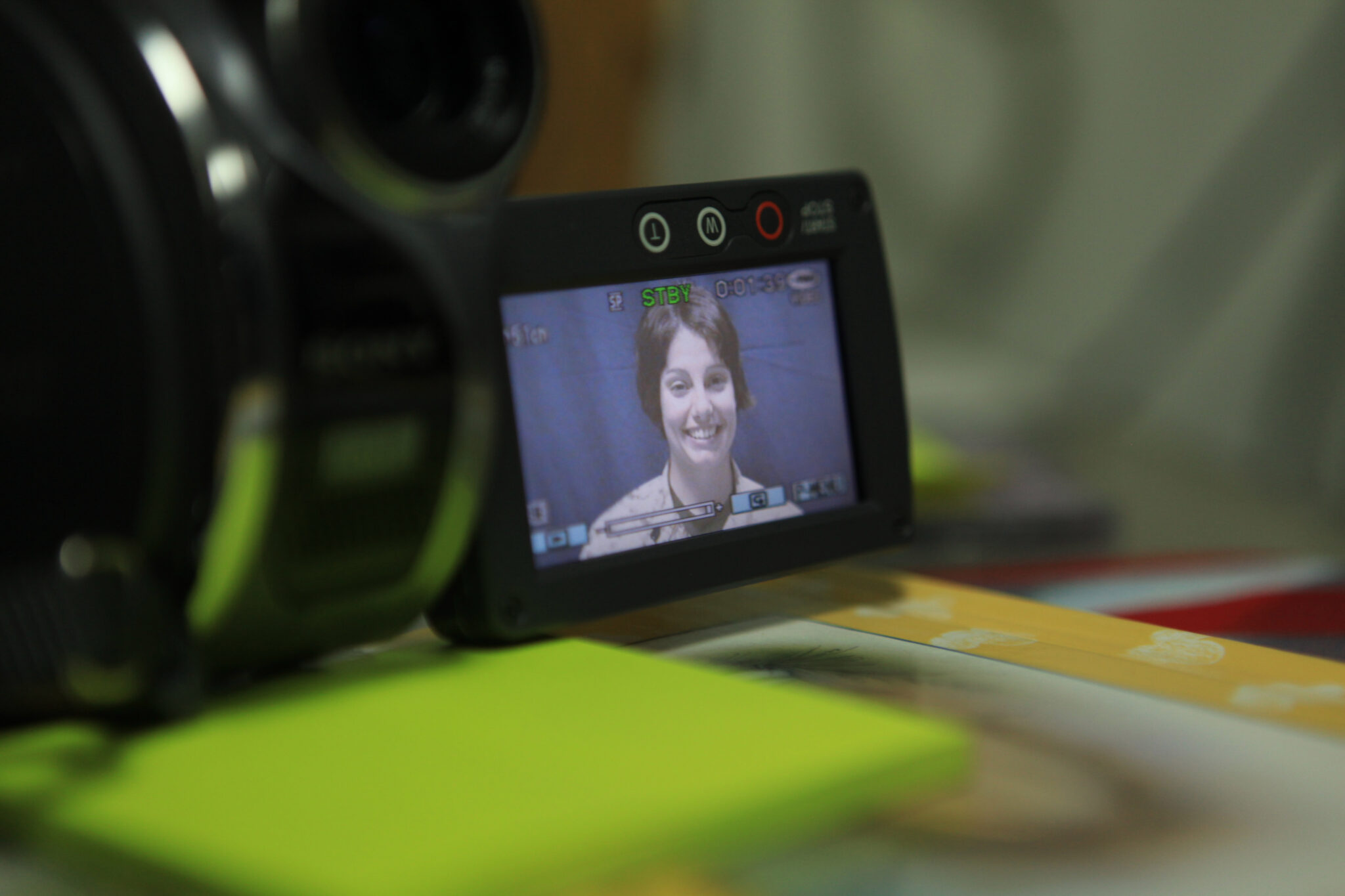


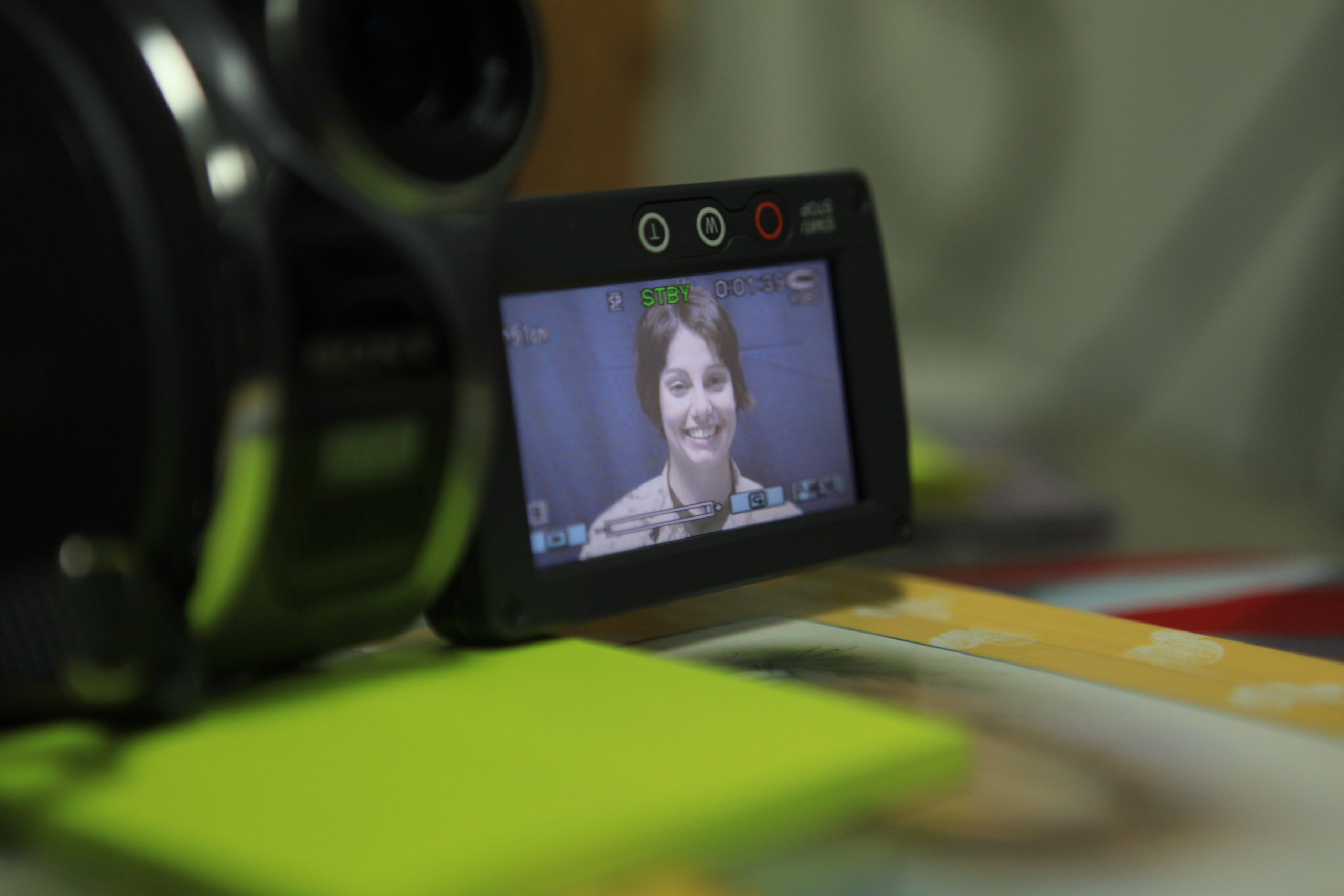
Then-Sergeant Nikole Stradley, a radio operator with Service Company, Combat Logistics Battalion 26, 26th Marine Expeditionary Unit, and then the mother of a nine-month-old, reads a book while being videotaped for the United Through Reading Program in 2010.
Holidays can be stinging reminders of the challenges military families face as a result of frequent, extended separation. Deployments, rotations and training assignments cause parents and loved ones to miss both milestones and everyday activities. For nearly 35 years, the United Through Reading program has offered military families a simple way to connect across the miles.
The program offers service members and their families a chance to share personal and present moments. It has helped more than three million service members and their families strengthen their relationships and weather the long stretches of separation simply by sharing a bedtime story.
Although modern technology has improved the ability of many service members to communicate with their families, many Soldiers and Sailors aren t able or allowed to stay in frequent contact. Mission security, remote deployments and high op-tempo limit the amount of time an on-duty Sailor can spend reconnecting. Often, a service member s availability doesn t sync with that of their family, leading to abbreviated calls and rushed voicemails.
The United Through Reading program offers a simple, elegant solution. It provides a means for service members to create video-recorded story sessions. Children can watch these videos on their own schedule, whenever they need to see their loved one and feel their presence.
UTR recording stations are located at military bases, USO locations, ships and other deployment hubs. These stations offer a library of popular books and all necessary recording equipment. The reader simply selects a book and begins reading aloud. UTR also has a downloadable app for service members who can use an internet connection and their own device. The app includes a wide selection of eBooks.
After the recording is finished, the UTR station can mail a physical copy of the book and video to the family or provide digital access to the files. Families can also download the app and access the videos and eBooks. While the child watches the video, their caregiver is encouraged to capture the child s reaction in an e-mail, photo, or video to send back to the service member.
One Dream, Many Benefits
United Through Reading began in 1989 as the passion project of Betty J. Mohlenbrock, a military spouse and former teacher. Mohlenbrock was concerned that military children were especially vulnerable to falling behind in school due to frequent relocations and emotional trauma. She devised UTR as a unique way to accomplish two intertwined goals: supporting and comforting children of deployed parents while encouraging literacy and reading skills.
The program started with a few volunteers recording videos in makeshift settings, but the concept caught on quickly. UTR gained support from military leaders, the USO and educators, eventually blossoming into a global initiative. Today, the program provides books and resources to nearly everywhere U.S. service members are stationed or deployed. Mohlenbrock was awarded the Congressional Medal of Honor Society Community Service Hero Award in recognition of UTR s success and impact.
United Through Reading strives for inclusivity and ease of use. It serves members and veterans of all military branches, regardless of their duty status. It can be used for all types of separation, including deployment, drill weekends and duty nights. While it started as a resource for parents, it s no longer limited to parent-child relationships; readers can record videos for any child in their lives.
As anyone with young children knows, kids often watch their favorite programs over and over (and over) again. Playing a UTR recording on demand and watching it multiple times can reinforce a sense of connection when family members are separated by miles or oceans. Many families observe their children are less anxious and adjust more easily to homecomings because of the familiarity sustained by repeated watching of UTR videos.
UTR also offers a way to answer questions and provide reassurance to you children, who may struggle to understand why a parent or loved one isn t home for long stretches of time. Seeing their faces, hearing their voices and reading along to a familiar story can soothe their fears and help them feel safe.
Psychologists affirm that listening to stories read by a familiar voice helps children feel emotionally supported, especially when they face stressful or frightening situations. Children of all ages even teenagers benefit emotionally and intellectually from being read to out loud.
Establishing a book reading routine can also provide emotional benefits to service members and reduces homesickness. The program provides a way to participate more specifically and deeply in their children s lives from afar. It can help adults create a personal, special connection with young children, tweens and even teenagers as they explore and experience reading a book together.
Turning the Page
In addition to recording videos, UTR promotes numerous initiatives to encourage a lifelong love of reading in military families. These include reading tracking logs, online community support networks and community reading events.
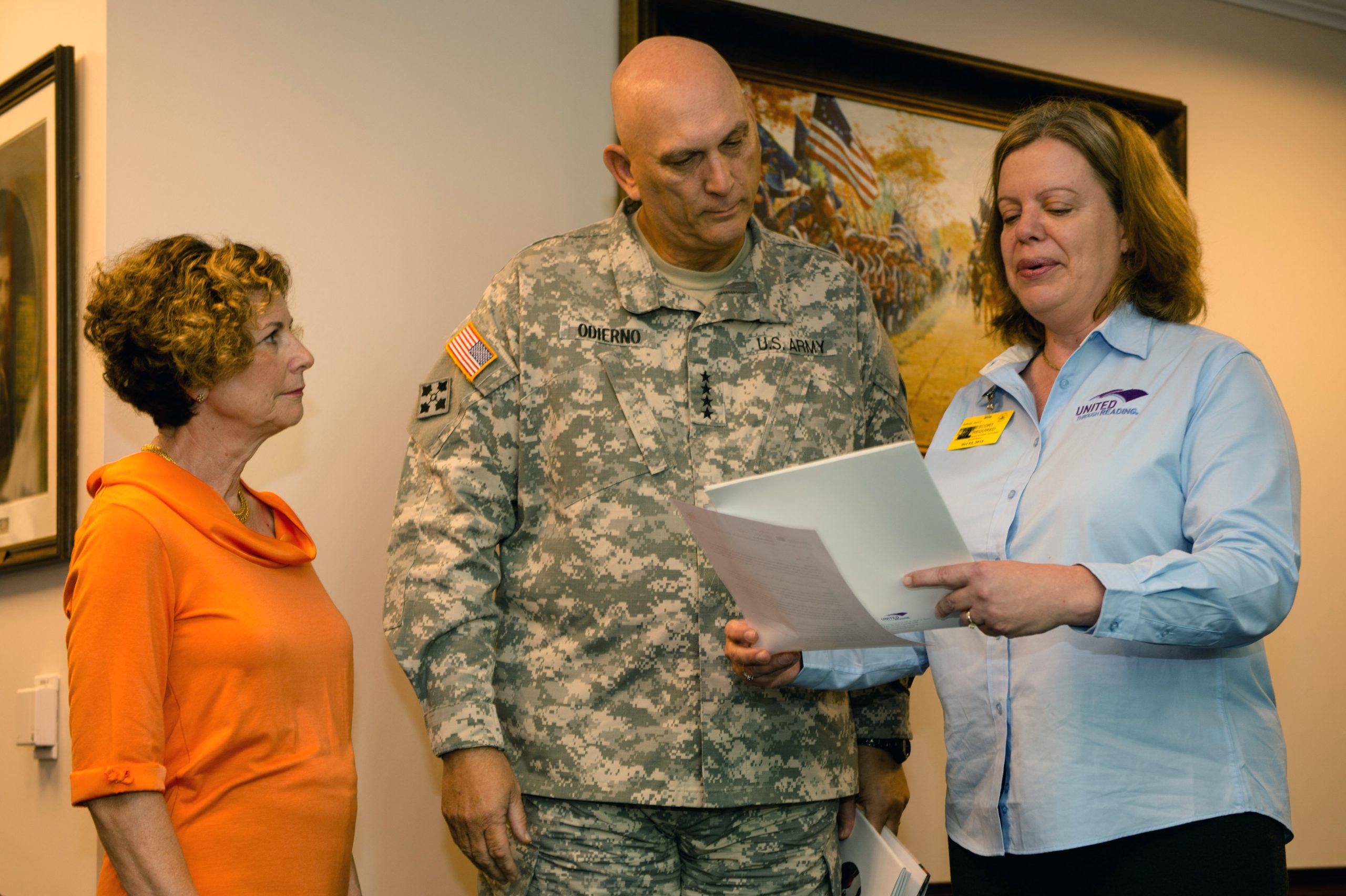
United Through Reading relies on volunteers to keep the program running smoothly. Volunteers can assist at UTR recording stations, guiding service members through the recording process, troubleshooting equipment and recommending books. They can also help manage the follow-up process if a family requests a physical copy of the recording and book.
Communities, schools, and businesses can organize book drives. UTR stations welcome donations of new, high-quality children s books for service member readers and their families.
The organization s Literacy Ambassador Program trains volunteers to speak at schools, libraries and community events to emphasize the value of reading and staying connected through UTR. These ambassadors help raise awareness of the program s benefits and encourage more eligible families to participate.
Although UTR receives grants and corporate support, it operates as a non-profit. Therefore, donations are a critical aspect of its operations. Individuals who wish to help further its mission can host fundraisers, spread the word about the program on social media or collaborate with businesses to secure sponsorships.
Studies show promoting literacy and language development during the first few years of a child s life is an integral part of healthy neural development. Reading aloud to children helps improve their vocabulary, language aptitude and engagement in literary activities. Establishing a reading routine can also provide a source of consistency for children during frequent relocations, which can help them adjust more easily to new learning environments and social communities.
UTR ensures service members stay constantly present and active in their children s lives during deployments, separations and other absences. Parents help their children learn while they connect in positive and meaningful ways while creating permanent reminders of their lived experiences.
Jonny Cain remembers using UTR when her husband, a UH-60 Black Hawk pilot, was deployed on missions with spotty and unreliable phone and internet services. One of their children was especially fond of the video stories, standing as close as possible to the television and whispering back at the end: I love you, Daddy. .
This article appears in the December issue of Seapower. Jamie L. Pfeiffer practiced in Illinois, Oregon and Washington states before retiring from active law practice. She is currently based in Chicago.
To get involved with United Through Reading, visit their website at unitedthroughreading.org.